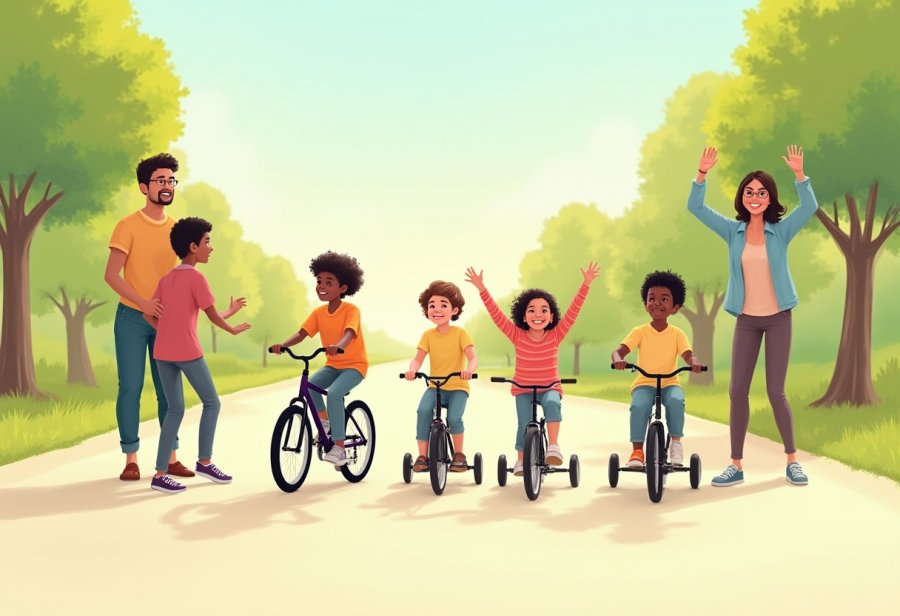
The Transformative Power of Learning to Ride a Bike
Learning to ride a bike is more than a childhood milestone; it’s a profound journey of courage, resilience, and family bonds. This rite of passage encapsulates the universal struggle between fear and joy—does the thrill of independence outweigh the fear of falling? As children wobble, fall, and eventually glide confidently, they learn vital lessons about perseverance and self-trust. Supported by patient families and reinforced through cultural traditions, this experience symbolizes personal growth across diverse societies. While emotional support accelerates skill-building and fosters resilience, common challenges like fear of falling and environmental stressors can hinder progress. Innovators foresee a future where technology enhances safety and confidence, yet the core themes of support, patience, and perseverance remain central. Learning to ride is not just about pedaling—it’s about embracing challenges, overcoming fears, and discovering that with encouragement, every fall paves the way for independence and lifelong confidence.
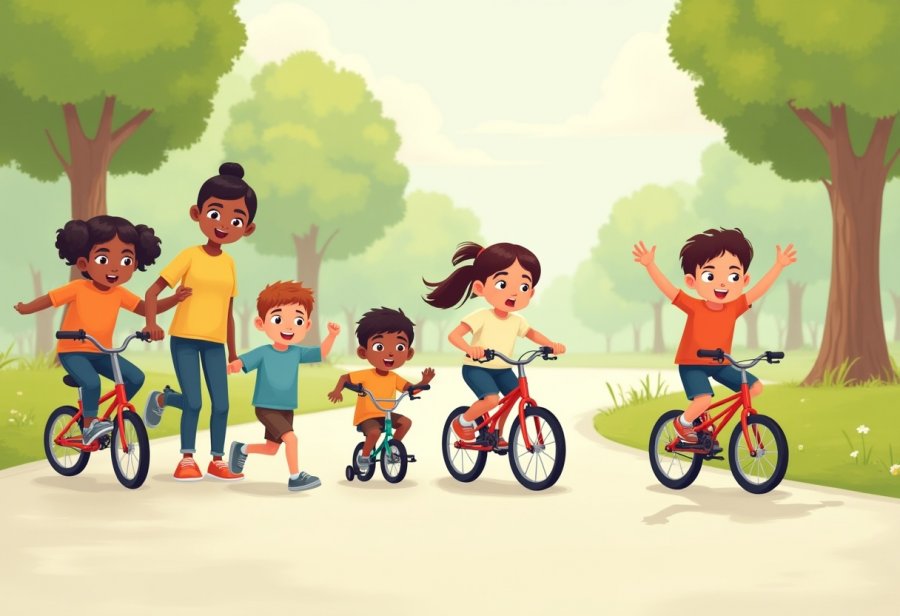
The Transformative Journey of Learning to Ride a Bike
Learning to ride a bike is more than just a childhood skill; it’s a milestone filled with emotion, growth, and connection. For many kids, that first wobble or fall is unforgettable—a moment that tests their courage and sparks a sense of independence. It’s during these early attempts that children learn not only balance and coordination but also resilience and self-trust.
Family members play a crucial role in this journey. Their steady encouragement, gentle guidance, and shared joy create bonds that deepen with each effort. Watching a child push past their fears and succeed is a proud, bonding experience that leaves a lasting impression. These moments become part of the family story, reinforcing patience and mutual trust.
Beyond the physical act of pedaling, learning to ride taps into universal themes of bravery and perseverance. Overcoming the fear of falling requires trust in oneself and acceptance of setbacks as natural steps forward. Every small victory, like staying upright a little longer, boosts confidence and turns initial hesitation into joy.
This rite of passage symbolizes more than just riding a bicycle. Across cultures, it marks a transition into independence, adventure, and self-reliance. The shared challenges and triumphs foster emotional growth, teaching kids that persistence and support make all the difference.
In essence, learning to ride a bike weaves together themes of courage, family bonds, and discovery. It’s a moment of transformation—one that shapes confidence and independence that last well beyond childhood. This experience reminds us all that with patience, support, and a bit of daring, the journey toward independence can be both joyful and deeply meaningful.
A Cultural and Historical Tapestry of Bicycle Milestones
Learning to ride a bike has long been more than just a childhood skill; it’s a universal rite of passage that transcends borders and cultures. In Western societies, the first bike ride often symbolizes a significant step toward independence, celebrated with family gatherings and proud smiles. It marks a transition from childhood innocence to growing confidence, a milestone that signals readiness for new adventures. Meanwhile, in many parts of Asia and Africa, bikes are woven into daily life, serving as essential tools for transportation and community connection. Across these diverse environments, learning to ride embodies courage, resilience, and a shared desire to move forward.
The history of children learning to ride stretches back over a century. Early bicycles, like the penny-farthings of the late 1800s, were difficult and sometimes dangerous for young riders. The invention of the safer, more stable “safety bicycle” in the early 1900s made cycling accessible to children, transforming it into a key part of childhood development. Kids learned coordination, balance, and independence on two wheels—skills that soon came to symbolize self-reliance and personal growth.
Over time, the act of mastering a bike has acquired deeper cultural meaning. In many societies, it’s a pivotal moment marking entry into adolescence or adulthood. Family celebrations, community rides, and local traditions reinforce this idea, turning physical skill into a meaningful milestone. Despite differences, the core themes remain the same: conquering fear, embracing independence, and forging bonds through shared achievement.
Today, this tradition continues to evolve. Modern programs incorporate safety education, community support, and even digital tools to help children gain confidence. Yet beneath these innovations, the essence remains unchanged—learning to ride is about courage, perseverance, and connection. It’s a universal story of growth that still captures the imagination of children and families worldwide.
Emotion in Motion: Navigating Fear and Joy During Bike Learning
Learning to ride a bike is as much an emotional journey as it is a physical skill. Fear of falling can be a significant barrier, often making children hesitant to even get on the bike or try new techniques. If not managed well, this fear can turn into reluctance, hindering progress. On the flip side, the thrill of riding—the wind in their hair, the independence of moving forward—serves as a powerful motivator. When children experience that joy, they become more willing to face setbacks, transforming frustration into persistence.
This emotional tug-of-war influences how children bond with family and peers. Celebrating small milestones, like balancing a few seconds longer, fosters a shared sense of achievement. Overcoming fears through gentle encouragement teaches resilience and patience, reinforcing trust within relationships. When kids see setbacks as part of the learning process rather than failures, they develop a growth mindset that extends beyond biking.
Supportive reactions from parents and instructors are crucial. Responding with reassurance rather than disappointment helps children interpret falls as normal steps, not obstacles to their worth. This approach nurtures confidence, making them more willing to try again after a wobble or a tumble. Likewise, creating a calm, familiar environment reduces anxiety, allowing children to focus on their progress rather than their fears.
The emotional landscape of learning to ride shapes much more than just biking skills. Joy and fear coexist, influencing motivation and resilience. When children feel safe and supported, they’re more likely to embrace challenges and persist through difficulties. This balance of encouragement and understanding helps build a foundation of confidence that can carry them into all areas of life.
Ultimately, how children navigate their fears and joys during the learning process determines their emotional growth. A supportive environment that acknowledges setbacks as natural fosters resilience and a love for new challenges. These lessons in courage and perseverance will stay with them long after they’ve mastered the bike, shaping their ability to face future hurdles with confidence and a sense of adventure.
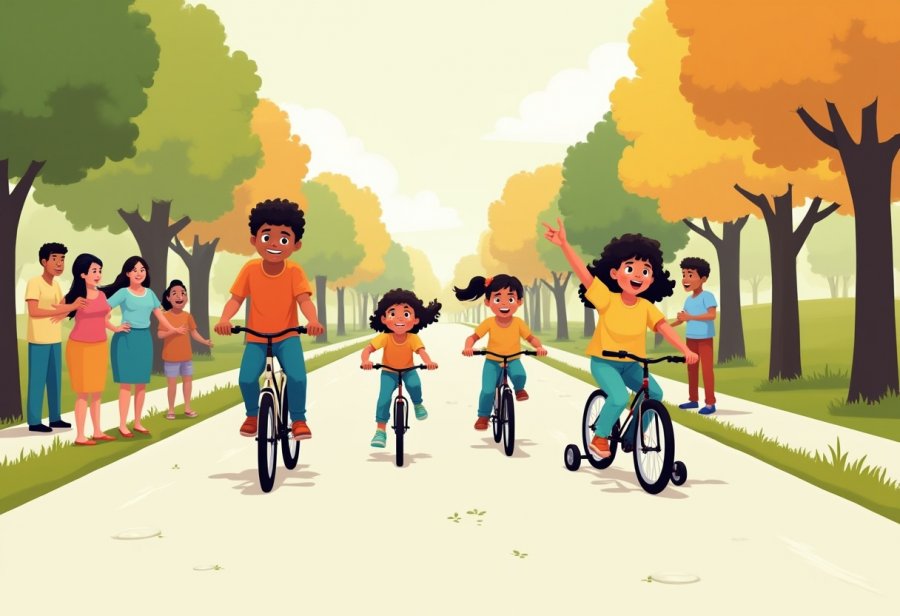
Scientific Insights Supporting Emotional Growth in Bike Riders
Research consistently highlights the vital role emotional support plays in helping children learn to ride a bike. Studies published in the Journal of Child Development show that kids who receive positive reinforcement—such as praise for small improvements—tend to persist longer and experience less anxiety. These children interpret falls and wobbling as normal parts of the learning process, fostering a growth mindset that encourages resilience and perseverance. This supportive environment not only accelerates skill acquisition but also builds a foundation of confidence that lasts.
Real-life examples reinforce these findings. Parents and instructors who celebrate even minor victories—like balancing for a few seconds or pedaling a short distance—create a sense of safety and achievement. Such encouragement reduces fear and boosts motivation, making children more willing to face setbacks with patience and determination. Conversely, overly strict or hurried teaching methods can heighten anxiety, leading to frustration and an increased likelihood of giving up. Supportive reactions—like helping to clean scrapes or sharing a laugh—teach children that setbacks are natural and manageable.
Statistical data backs up the importance of emotional support. Children who benefit from positive reinforcement often master balancing and pedaling faster, and they develop a stronger sense of independence. These kids tend to enjoy riding more and are more inclined to continue practicing, which reinforces their confidence and enjoyment. When setbacks happen, a reassuring response helps children view mistakes as part of growth rather than failures, fostering resilience and a positive attitude toward challenges.
The emotional climate surrounding the learning process deeply influences a child’s experience and success. Feeling safe and supported encourages persistence, making setbacks less intimidating and progress more steady. Children who are nurtured through encouragement and patience develop not only better biking skills but also emotional resilience that benefits them across many areas of life. These psychological insights emphasize that fostering confidence and joy is just as important as teaching the mechanics of riding.
In summary, the evidence shows that emotional support—through praise, reassurance, and a positive environment—significantly impacts how children learn to ride. It transforms what could be a stressful challenge into an empowering journey, helping young learners embrace setbacks and celebrate victories alike. This nurturing approach not only speeds up skill acquisition but also cultivates resilience, independence, and a lifelong love of learning and adventure.
Practical Strategies for Confident and Safe Cycling
Teaching a child to ride a bike relies on practical strategies that build confidence while prioritizing safety. Starting with the right equipment makes all the difference; ensure the bike fits well and is lightweight enough for small hands to manage comfortably. Always equip children with a helmet, knee pads, and elbow pads to prevent injuries and help them feel secure. Practicing in flat, open spaces like driveways or parks provides a calm environment where kids can focus on balancing without distractions or obstacles.
Breaking the learning process into small, achievable goals keeps children motivated. Focusing first on pushing off and gliding helps them understand balance, while pedaling can come once they’re comfortable with that movement. Celebrating tiny wins—like staying upright for a few seconds or covering a short distance—encourages persistence. Short, regular practice sessions are more effective than long, pressured ones, especially when the atmosphere remains relaxed and fun.
Support from parents or instructors is crucial, but guidance should be tailored to each child’s comfort level. Some kids need more reassurance and gentle encouragement, while others respond well to small challenges. Patience and positive reinforcement create a safe space for trial and error, making the experience less intimidating. Praise efforts over perfection to foster a growth mindset, helping kids view setbacks as natural steps toward mastery.
Safety gear not only protects but also boosts confidence. A well-fitting helmet and pads provide reassurance during practice, while balance bikes and training wheels serve as helpful stepping stones. These tools gradually introduce children to the feeling of riding independently, easing the transition to solo biking.
Creating a positive, pressure-free environment centered on patience and small successes encourages steady skill development. Turning practice into a fun activity fosters a lifelong love for cycling. When children feel supported and safe, they’re more likely to persevere through challenges and enjoy the freedom that comes with mastering this important milestone.
Overcoming Common Challenges on the Road to Independence
Learning to ride a bike often brings a set of common challenges that can test a child’s patience and confidence. One of the biggest hurdles is the fear of falling. Many children hesitate to get on the bike or try new maneuvers because they worry about losing balance or getting hurt. This fear can be so strong that it becomes a barrier to progress, making kids avoid practice altogether. Addressing this concern with gentle reassurance and gradual exposure can help ease their anxiety and build trust in their abilities.
Lack of confidence is another obstacle that often appears after minor wobbles or falls. When children experience setbacks, they might start doubting whether they can succeed. This self-doubt can lead to frustration or even the desire to give up. The key is to celebrate small successes and reinforce that mistakes are part of learning. Encouragement that focuses on effort rather than perfection helps foster resilience and keeps motivation high.
Parental anxiety can also influence a child’s learning experience. When adults react with worry or rush the process, children pick up on that tension, which can make them more nervous. A calm, patient approach, emphasizing safety and gradual progress, encourages children to stay relaxed and open to trying again. Rushing or pressuring can backfire, causing children to feel overwhelmed and less willing to persevere.
Environmental factors, such as practicing on uneven surfaces or crowded parks, can add stress and distract children from focusing on their skills. Choosing safe, familiar spaces for initial practice helps them feel more secure. It’s important to remember that falls and scrapes are natural parts of learning—how setbacks are handled makes all the difference. Supportive reactions like reassurance and humor turn mishaps into moments of growth.
Finally, managing expectations and maintaining patience are crucial. Pushing too hard or expecting quick results can increase fear and frustration. Instead, creating a relaxed, encouraging atmosphere allows children to develop their skills at their own pace. Recognizing and respecting their emotional needs helps turn the challenge of learning to ride into a rewarding journey of confidence and independence.
Future Horizons: Embracing Innovation and Community in Bicycle Education
Looking ahead, the way children learn to ride bikes is poised for exciting changes, blending technology with tradition. Innovations like virtual reality training can offer kids a risk-free way to build confidence before they even touch a pedal, making the process less intimidating and more engaging. Community programs centered on safety and emotional support will likely expand, emphasizing not just skill development but resilience, patience, and joy. These initiatives help nurture a sense of belonging and shared achievement, motivating children to keep practicing and growing.
Despite these advancements, the core lessons of courage, perseverance, and support will stay central. Learning to ride remains a powerful symbol of independence and emotional growth—an experience that teaches kids to face fears, trust their support systems, and celebrate progress. These values build a foundation that extends far beyond the bike, shaping resilient minds ready to tackle future challenges with confidence and a sense of adventure.
Emerging safety technologies, such as smart helmets and wearable sensors, promise to make riding safer and more reassuring. These tools can provide real-time feedback and early warnings, helping parents and children address uncertainties before they become obstacles. Digital platforms and apps are also evolving to personalize guidance, track progress, and celebrate milestones, transforming learning into a rewarding journey that adapts to each child’s pace.
Community involvement will continue to be vital. Group rides, safety workshops, and family events create supportive environments where children can practice, socialize, and build confidence together. These shared experiences reinforce that mastering a bike isn’t just about mechanics—it’s about fostering independence, trust, and joy through connection.
At its heart, learning to ride is more than a physical achievement; it’s a lesson in resilience, support, and embracing growth. As innovations and community efforts evolve, this milestone will remain a powerful symbol of courage and connection. It shapes not just a child’s ability to pedal forward, but also their outlook on life’s challenges, instilling confidence that lasts well beyond childhood.