
Transform Your Business Communication with Customizable Telephony Solutions
In an era where seamless communication dictates success, how can organizations leverage customizable telephony solutions to transform their networks? Grandstream’s innovative devices promise more than just reliable voice calls—they offer scalable, easy-to-deploy systems tailored to evolving business needs. From carrier-grade IP phones supporting centralized management to open-standard integrations that enhance operational flexibility, these solutions empower companies to streamline internal workflows and elevate customer engagement. Yet, with growing digital demands, questions of security, network performance, and rapid scalability become paramount. Grandstream’s offerings address these challenges head-on, providing secure, high-quality communication tools that adapt effortlessly to expansion and innovation. As traditional landlines give way to cloud-managed, programmable platforms, organizations face a critical choice: continue relying on outdated systems or embrace a future where communication is smarter, faster, and more personalized. Are you ready to unlock the full potential of your business communication?
Revolutionize Your Business Communication with Customizable Telephony Solutions
In today’s fast-moving business world, clear and reliable communication is more than just a convenience—it’s a core necessity. Companies, whether small startups or large enterprises, depend on seamless interaction with customers, partners, and internal teams to stay competitive. The days of relying solely on traditional landline systems that could barely support the demands of modern workflows are long gone. Today, the focus has shifted toward smarter, more adaptable solutions that can grow and evolve alongside a business’s needs. That’s where customizable telephony systems come into play, offering the flexibility to tailor communication setups precisely to organizational requirements.
These systems do more than just facilitate voice calls; they transform how teams coordinate and connect. By customizing features like call routing, voicemail options, and integration with digital tools, businesses can craft a communication environment that boosts efficiency and enhances user experience. This level of personalization minimizes operational bottlenecks, ensuring that each call reaches the right person quickly and smoothly. The result? Faster resolutions, happier customers, and less frustration for staff.
As technology advances, the importance of flexible, scalable telephony becomes even clearer. Modern systems support remote work, multi-location setups, and complex call management—all from a single, easy-to-use interface. This flexibility means organizations can respond swiftly to changing circumstances without the need for costly overhauls or disruptions. Building a communication infrastructure that adapts to growth and shifting priorities isn’t just a luxury anymore; it’s a strategic imperative.
The digital transformation of telephony—moving from traditional landlines to internet-based solutions—has been a game-changer. Cloud-managed platforms and VoIP technology have made it possible to configure, manage, and upgrade communication networks with unprecedented ease. They support a broad array of features like auto-attendants, call forwarding, and detailed analytics—all of which can be customized to fit specific workflows. This evolution not only improves operational efficiency but also creates a more responsive, personalized communication experience aligned with today’s digital-first mindset.
Choosing the right telephony system can significantly enhance a company’s agility. Customizable solutions enable rapid deployment of new features, seamless scaling as the organization grows, and integration with existing digital tools. With the ability to adapt quickly, businesses can improve customer satisfaction, streamline internal collaboration, and stay ahead in a competitive landscape. It’s more than just a technological upgrade—it’s a strategic shift toward smarter, more personalized communication.
Ultimately, flexible telephony is about building a foundation that supports ongoing growth and innovation. It’s about creating a communication environment that responds to the unique needs of your business—whether that means supporting remote teams, expanding into new markets, or integrating with complex digital workflows. When designed properly, these systems empower organizations to communicate more effectively, deliver better service, and adapt swiftly to the future. In a world where connection is everything, customizable telephony isn’t just an option—it’s a vital tool for success.

Tracing the Evolution of Telephony: From Landlines to Digital Flexibility
Telephony systems have been the backbone of business communication for decades, and understanding their evolution helps clarify why customization has become so vital today. Originally, these systems relied on simple landline connections that transmitted analog signals, limiting their capabilities to basic voice calls. As technology advanced, the industry transitioned toward digital networks, supporting features like call forwarding, voicemail, and conference calling. This shift from analog to digital laid the groundwork for the flexible, scalable systems organizations depend on now.
Traditional landline setups were hardware-intensive, requiring dedicated lines and regular maintenance. They provided reliable voice transmission but lacked flexibility. The advent of digital solutions transformed this landscape by converting voice into digital data capable of traveling over the internet. Voice over Internet Protocol (VoIP) revolutionized communication, enabling organizations to support a broader range of features at a lower cost. VoIP systems support auto-attendants, integration with customer management platforms, and remote configuration—all core elements that facilitate customization to fit specific workflows.
The distinction between analog and modern IP-based solutions is essential to grasp. Analog systems are simple but rigid, demanding hardware upgrades to add features or expand capacity. IP-based systems operate through software, allowing remote management, quick updates, and seamless integration with other digital tools. This flexibility makes it possible for organizations to tailor their telephony environments—whether by routing calls differently or linking to customer relationship management (CRM) systems—creating a more efficient and personalized communication flow.
Open standards like SIP (Session Initiation Protocol) have become industry norms, ensuring interoperability across devices and platforms. This openness allows businesses to mix and match hardware from various vendors, avoiding vendor lock-in and supporting extensive customization. By leveraging these standards, organizations can build tailored communication networks—adding new devices, integrating third-party applications, or upgrading features—without being tied to a single vendor’s ecosystem. This adaptability is key to maintaining a competitive edge.
Today’s telephony solutions emphasize cloud management and security, making configuration and updates more straightforward than ever. Cloud platforms enable centralized control over dispersed networks, simplifying deployment, troubleshooting, and maintenance. Features like Quality of Service (QoS) and bandwidth management prioritize voice traffic, ensuring clear calls even during peak usage. Security protocols, encryption, and remote firmware updates protect sensitive data and keep systems current, all without adding complexity. These advancements make modern telephony not only flexible but also resilient and secure, supporting a reliable communication foundation for organizations of all sizes.
Current Trends in Telephony: Embracing Scalability, Integration, and Cloud Power
The telephony landscape today is characterized by rapid innovation and a shift toward highly adaptable, scalable systems that meet the dynamic needs of modern businesses. Companies are increasingly abandoning traditional landline setups in favor of IP-based and cloud-managed platforms that offer a wealth of customizable features. These solutions support advanced call routing, auto-attendants, and seamless integration with digital workflows, enabling organizations to tailor their communication processes precisely to their operational demands. As a result, businesses can enhance customer experiences and respond swiftly to market changes without the complexity and cost of major infrastructure overhauls.
Cloud technology plays a central role in this transformation, simplifying deployment and ongoing management. With cloud-managed telephony, organizations gain centralized control over dispersed networks, allowing IT teams to configure, update, and troubleshoot remotely. This not only reduces operational costs but also minimizes downtime, ensuring consistent communication quality. The ease of scaling—adding new locations or users within minutes—empowers businesses to grow flexibly and manage expansion efficiently. In this environment, agility is no longer a goal but a standard feature of effective communication strategies.
Devices like Grandstream’s IP phones exemplify the shift toward scalable, manageable solutions. Designed for mass deployment, these endpoints support centralized provisioning, allowing configurations to be pushed remotely across hundreds or thousands of devices. This capability ensures uniformity, reduces human error, and accelerates rollout times. Whether updating firmware or adjusting features, IT teams can manage entire fleets from a single interface, streamlining maintenance and upgrades. Such streamlined deployment makes it feasible for organizations to expand their telephony infrastructure without significant disruption or resource drain.
Network optimization remains a critical focus in today’s telephony deployment landscape. Features like Quality of Service (QoS) and bandwidth management prioritize voice traffic, preventing latency and dropped calls during peak times or in congested networks. These tools help maintain high call quality, which is essential for delivering professional, reliable communication—especially for remote teams and multi-site operations. Integrating these network controls ensures that voice remains clear and dependable, reinforcing trust and satisfaction among customers and employees alike.
The demand for integration with broader business systems fuels ongoing innovation. Modern telephony solutions leverage open standards such as SIP, enabling compatibility with a wide range of devices and software platforms. This openness allows organizations to customize their communication ecosystems, linking phones with customer relationship management (CRM) tools, helpdesk platforms, or automation workflows. Such integrations create smarter call routing, personalized customer interactions, and more efficient internal processes, transforming telephony from a simple tool into a strategic asset.
As organizations expand and digital demands grow, scalability and flexibility become non-negotiable. Cloud-based solutions and open standards make adding new locations, users, or features straightforward and cost-effective. Devices are designed for easy plug-and-play deployment, and centralized management simplifies ongoing maintenance. This combination supports a seamless transition during growth phases, ensuring that the communication infrastructure evolves in step with the business, not in spite of it.
Security considerations are more vital than ever in the modern telephony environment. Advanced encryption protocols, secure network configurations, and remote firmware updates protect sensitive data and guard against cyber threats. Cloud management platforms further enhance security by enabling centralized oversight and rapid response to vulnerabilities. These features ensure that businesses can rely on their communication systems to be both flexible and secure, safeguarding their operations in an increasingly interconnected world.
Overall, the current telephony deployment landscape reflects a clear shift toward intelligent, customizable solutions that prioritize ease of management, scalability, and integration. Businesses are no longer restricted by the limitations of traditional hardware but are empowered to craft communication environments tailored to their unique needs. This evolution not only boosts operational efficiency but also positions organizations to adapt quickly, innovate continuously, and deliver superior service in an ever-changing digital world.
Grandstream’s Telephony Solutions: Seamless, Scalable, and Secure Communication Tools
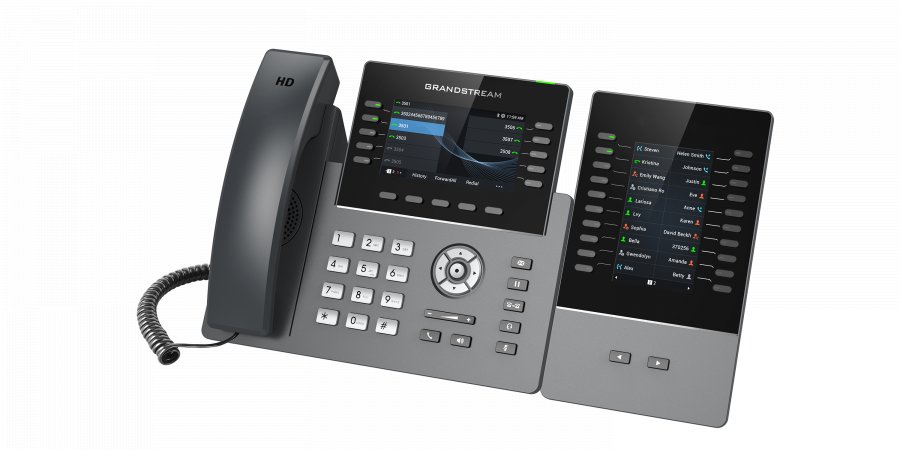
Grandstream’s telephony solutions are built to support the modern shift toward flexible, customizable communication environments. Their product lineup includes a broad range of IP phones, gateways, and unified communication platforms, all designed to integrate seamlessly with existing infrastructure and adapt to unique business workflows. The flagship GRP series exemplifies this versatility, offering carrier-grade devices with durable hardware, high-resolution displays, and features like HD voice quality, programmable keys, and multi-line support. These phones are ideal for high-traffic areas such as reception desks and conference rooms, providing reliable performance combined with straightforward management through cloud-based tools like Grandstream’s Device Management System (GDMS).
What sets Grandstream apart is the ease with which organizations can deploy and manage these devices at scale. The IP phones support centralized provisioning, allowing IT teams to configure, update, and monitor hundreds or even thousands of endpoints remotely. This not only accelerates deployment but also ensures consistency across multiple locations, reducing errors and minimizing downtime. Whether expanding into new markets or upgrading existing setups, organizations can rely on these devices to support rapid, hassle-free growth without disrupting daily operations.
Integration is another key strength of Grandstream’s solutions. Their products support open standards such as SIP, enabling compatibility with a wide range of devices and third-party platforms. This openness facilitates customization, allowing businesses to link phones with customer relationship management (CRM) systems, helpdesk tools, or automation workflows. Such integrations make call routing smarter and customer interactions more personalized, turning telephony from a simple tool into a strategic asset that enhances overall operational efficiency.
Network performance features ensure that calls remain clear and reliable, even during peak usage. Grandstream’s devices incorporate advanced QoS and bandwidth management tools, prioritizing voice traffic to prevent latency and dropped calls. Firmware updates and security patches can be pushed remotely, keeping systems secure and up to date without manual intervention. This proactive approach to management safeguards sensitive data and maintains high standards of call quality, ensuring that communication remains smooth and professional at all times.
Finally, scalability and security are embedded into the design of Grandstream’s solutions. Devices are engineered for plug-and-play deployment, making expansion straightforward and cost-effective. Centralized management simplifies ongoing maintenance, enabling rapid configuration changes, firmware updates, and troubleshooting across large networks. Built-in security features like encryption protocols and secure network configurations protect communications against cyber threats, providing peace of mind as organizations grow and digital demands increase. With Grandstream’s comprehensive ecosystem, businesses can build personalized, reliable, and future-proof communication systems that support their evolving needs.



