Transform Your Yard into a Sustainable Outdoor Retreat
Transforming Toronto yards into stunning, sustainable outdoor retreats requires more than just aesthetic appeal—it’s about balancing beauty, functionality, and environmental responsibility. How can homeowners achieve lush, inviting spaces that withstand Toronto’s seasonal extremes while supporting local ecosystems? This guide explores innovative strategies, from native plant selection to eco-friendly materials and water management practices like rain gardens and permeable pavements. It emphasizes the importance of engaging clients throughout the design process to ensure personal vision aligns with ecological principles, creating spaces that are both resilient and beautiful. Looking ahead, cutting-edge technologies such as smart irrigation, regenerative landscaping, and virtual planning tools promise to revolutionize outdoor design. As the community shifts toward eco-conscious lifestyles, Toronto’s landscape design will increasingly focus on biodiversity, climate resilience, and resource efficiency—raising the question: can we craft outdoor retreats that are as sustainable as they are stunning? The answer lies in integrated, thoughtful approaches that transform outdoor spaces into vibrant, responsible sanctuaries.
Transforming Toronto Yards into Personal Outdoor Sanctuaries
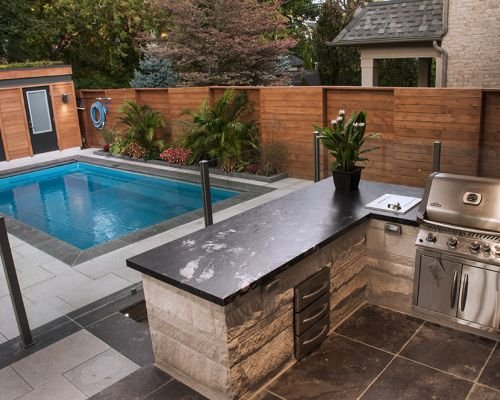
Transforming a Toronto yard into a beautiful outdoor retreat goes beyond planting a few flowers or installing a deck. It’s about crafting a space that feels personal, functional, and inspiring—something that elevates everyday life. Toronto’s diverse climate and vibrant community make landscape design especially important, as the right choices can turn an ordinary yard into a true sanctuary. A well-designed outdoor space can serve many purposes: a peaceful escape after a busy day, a lively spot for gatherings, or a stylish setting for outdoor entertaining. The key is balancing practicality with beauty to reflect the homeowner’s unique style.
Toronto’s weather patterns—cold winters with snow and hot, humid summers—significantly influence landscape planning. This variability requires selecting plants and features that can withstand these conditions. Native species like serviceberries, coneflowers, and native grasses are excellent options because they thrive naturally, need less water, and support local ecosystems. Using native plants not only enhances the natural beauty of a yard but also reduces maintenance and environmental impact, making the space more sustainable over time.
Creating a lush, inviting outdoor area involves understanding what homeowners truly want from their space. Some prefer low-maintenance gardens with drought-tolerant plants, while others seek vibrant spaces for outdoor dining or lounging. Engaging clients throughout the design process ensures their needs and preferences are met. Clear communication and regular updates foster a sense of ownership, turning their ideas into a reality they’ll cherish. When clients see their vision come to life, it deepens their satisfaction and pride in the finished project.
Designing with both beauty and environmental responsibility in mind requires thoughtful choices. Native plants support local wildlife and require fewer resources, while eco-friendly materials like recycled stone or sustainably harvested wood add character and reduce waste. Features such as rain gardens and permeable paving help manage stormwater naturally, blending aesthetic appeal with eco-conscious practices. This holistic approach results in outdoor spaces that are not only stunning but also resilient and environmentally friendly, aligning with Toronto’s climate and community values.
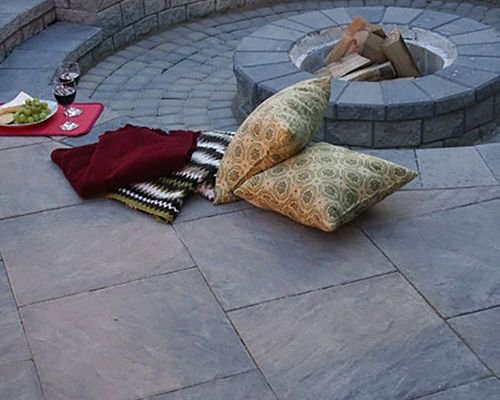
A well-planned yard considers layout and flow—placing seating areas, pathways, and focal points like fire pits or water features in a way that encourages relaxation and social interaction. Layered plantings and varied textures add visual interest without clutter, creating a seamless retreat where every element works together. Thoughtful placement enhances functionality while maintaining a natural, inviting atmosphere. This careful balance ensures the outdoor space remains both beautiful and practical, a true extension of the home.
Ultimately, transforming a Toronto yard into a stunning outdoor retreat is about more than just aesthetics. It’s about creating a space that’s sustainable, adaptable, and deeply personal. When design and installation work hand-in-hand, homeowners can enjoy a backyard that not only looks great but also supports environmental health and offers lasting enjoyment. This approach makes the outdoor space an integral part of daily life—one that reflects the homeowner’s values and enhances their connection to the local landscape.

Core Principles Guiding Sustainable Landscape Design
Sustainable landscape design balances beauty with ecological responsibility, ensuring outdoor spaces enhance both their visual appeal and environmental health. Central to this approach is the careful selection of plants, materials, and water practices that work harmoniously with the local ecosystem. Native plants are a cornerstone—they’re naturally adapted to Toronto’s climate, requiring less water, fertilizers, and pesticides. By supporting local wildlife, these plants help create resilient, vibrant yards that thrive with minimal intervention, reducing maintenance and environmental impact over time.
Eco-friendly materials further strengthen sustainable landscapes. Reclaimed stone, recycled plastics, and sustainably harvested wood not only add character but also lower the project’s carbon footprint. These choices support waste reduction while maintaining visual interest. Permeable paving options like porous concrete or gravel allow rainwater to seep into the ground naturally, helping manage stormwater runoff and prevent erosion. Incorporating such materials ensures the landscape remains functional and eco-conscious without sacrificing style.
Water conservation plays a vital role. Installing rain gardens, rainwater harvesting systems, and drip irrigation helps optimize natural resources. Rain gardens filter and absorb runoff, reducing strain on municipal systems and improving local water quality. Harvested rainwater can be reused for irrigation, lowering utility costs and fostering a more self-sufficient yard. Grouping plants with similar water needs and shading strategies like trees and shrubs further enhance water efficiency, while also providing natural cooling and wind protection.
Designing for energy efficiency supports the sustainability goal. Thoughtful placement of trees and shrubs offers shade during summer, reducing cooling costs, and acts as windbreaks in winter, lowering heating needs. These natural elements create a comfortable outdoor environment while minimizing reliance on mechanical climate control. When integrated into the overall plan, such features contribute to a balanced, eco-friendly landscape that responds intelligently to Toronto’s seasonal variations.
Sustainable design also emphasizes biodiversity and ecosystem health. Incorporating pollinator-friendly plants, restoring wetlands, and creating habitats supports local wildlife and enhances ecological resilience. These practices not only boost the visual richness of the outdoor space but also contribute to climate adaptation efforts. By fostering a diverse environment, homeowners help sustain the natural balance while enjoying a landscape that feels alive and vibrant.
Achieving a truly sustainable landscape requires collaboration and intentional decision-making. The focus should be on integrating eco-conscious practices seamlessly into the design process, aligning personal style with environmental principles. This holistic approach results in outdoor spaces that are not only stunning and functional but also resilient and respectful of their surroundings. In the end, sustainable landscape design transforms outdoor areas into beautiful, responsible retreats that stand the test of time while supporting Toronto’s broader ecological health.
Applying Eco-Friendly Practices to Create Beautiful, Resilient Outdoor Retreats
Transforming your yard into a stunning outdoor retreat goes beyond choosing attractive plants or installing decorative features. It starts with thoughtful application of sustainable principles tailored to your space, lifestyle, and environment. Begin by thoroughly assessing your site—note how sunlight moves across different areas, evaluate your soil quality, and identify existing elements you want to preserve or incorporate. This understanding guides smarter decisions about plant placement, materials, and features, ensuring your landscape remains resilient and easy to maintain over time.
Clarify your goals early on. Do you envision a low-maintenance garden with drought-tolerant native plants, a vibrant space for outdoor dining and socializing, or a peaceful haven for relaxation? Knowing what you want helps focus your choices and streamlines the design process. Prioritize native plants suited to Toronto’s climate—they require less water, fertilizers, and pesticides, and support local pollinators and wildlife. Pairing these with eco-friendly materials like recycled stone or sustainably harvested wood can add character and reduce environmental impact.
Water management is central to sustainability. Incorporate rain gardens or rainwater harvesting systems to capture and reuse runoff, reducing reliance on municipal water and preventing erosion. Group plants with similar water needs to optimize watering efficiency, and consider permeable paving options like gravel or porous concrete that allow rainwater to soak into the ground naturally. These strategies help protect local waterways and create a more self-sufficient yard that requires less ongoing intervention.
Adding features such as fire pits, water elements, or outdoor lighting can elevate your space from functional to inviting. A fire pit creates warmth and ambiance for cool evenings, while a water feature adds visual interest and soothing sounds. Thoughtful lighting extends usability into the evening, encouraging relaxation and social gatherings. Use durable, eco-conscious furniture—recycled or sustainably sourced materials can bring charm and align with your environmental values—ensuring these elements blend seamlessly into your overall design.
Maintenance is part of the process. Regularly monitor plant health, adjust watering routines, and clean rainwater systems to keep everything functioning smoothly. Be open to updating features or plants as your landscape evolves. Flexibility and proactive care help your outdoor space stay vibrant, sustainable, and true to your vision for years to come. Small, consistent efforts make a big difference in preserving beauty and environmental responsibility.
Incorporating creative features like native plant gardens, rain gardens, or energy-efficient lighting enhances the appeal and eco-friendliness of your retreat. These elements not only boost aesthetics but also support biodiversity, improve soil health, and contribute to climate resilience. When thoughtfully integrated, they transform your yard into a harmonious extension of your home—beautiful, functional, and environmentally conscious.
Finally, remember that sustainable landscaping is a journey, not a fixed destination. Stay informed about new eco-friendly practices, leverage digital planning tools like 3D modeling or virtual reality to visualize your design, and seek expert advice when needed. By staying engaged and adaptable, you turn your outdoor space into an inspiring sanctuary that reflects your values and enhances your lifestyle. Every small change made today builds toward a resilient, beautiful yard that will thrive for years to come.
Shaping the Future of Toronto’s Eco-Conscious Outdoor Spaces
The future of outdoor spaces in Toronto is poised to be shaped by innovative technologies and fresh design approaches that seamlessly blend beauty with sustainability. Smart irrigation systems, for example, are becoming more accessible, utilizing weather data and soil sensors to deliver water precisely when it’s needed. This targeted watering conserves resources, lowers utility bills, and helps protect local waterways from runoff. As these systems grow more affordable and user-friendly, homeowners will find it easier to maintain lush, eco-friendly landscapes with minimal effort.
Advances in eco-friendly materials will also play a significant role. Reclaimed wood, recycled plastics, biodegradable composites, and other sustainable options are increasingly becoming standard choices for pathways, furniture, and decorative features. These materials not only add character but also drastically reduce the carbon footprint of landscape projects, aligning outdoor design with broader environmental goals. As awareness around waste reduction and resource conservation expands, designers and homeowners will prioritize environmentally responsible materials, making sustainability a central part of outdoor aesthetics.
Regenerative landscaping is gaining momentum, emphasizing the restoration of natural ecosystems rather than mere preservation. This approach focuses on creating habitats that support biodiversity, improve soil health, and sequester carbon. Restoring wetlands, planting native species, and designing pollinator-friendly environments will become common practices. These strategies not only enhance the visual appeal of outdoor spaces but also bolster climate resilience and ecological balance, making landscapes more vibrant and resilient over time.
Digital tools continue to revolutionize landscape planning and visualization. Virtual reality, 3D modeling, and augmented reality enable homeowners and designers to experiment with sustainable features before committing to implementation. This technology minimizes costly mistakes, fosters collaboration, and makes eco-conscious design more accessible. As these tools become more intuitive and widespread, creating resilient, beautiful outdoor retreats will be faster, more precise, and more inspiring than ever before.
Community engagement and ongoing education will also shape Toronto’s landscape industry. Local initiatives and neighborhood projects will promote eco-conscious practices, inspiring residents to adopt sustainable landscaping methods. Professionals will stay at the forefront of emerging trends, ensuring their work reflects the latest innovations. This collective effort will foster a culture of sustainability, transforming outdoor spaces into vibrant, resilient environments that reflect both individual creativity and shared responsibility.
Climate adaptation will become a core focus, with designs tailored to Toronto’s seasonal shifts. Green infrastructure—such as shade trees, windbreaks, and thermal buffers—will be used strategically to reduce energy costs and improve comfort. These features not only enhance aesthetic appeal but also serve practical purposes, helping landscapes withstand extreme weather events and changing conditions. This proactive approach ensures outdoor spaces remain functional, inviting, and sustainable for years to come.
As we look ahead, it’s clear that the evolution of outdoor spaces will be driven by a blend of technology, ecological insight, and community spirit. Toronto’s landscape design will increasingly prioritize resilience, biodiversity, and resource efficiency, creating outdoor retreats that are as sustainable as they are beautiful. Homeowners and designers alike will work together to craft environments that honor the city’s unique climate and natural heritage, ensuring that future outdoor spaces are not only visually stunning but also vital contributors to ecological health and climate adaptability.



