Transform Your Business Communication with Custom Telephony Solutions
In an era where seamless communication is vital for business success, customizable telephony solutions like Grandstream’s innovative devices are transforming how organizations operate. These advanced IP phones and cloud management platforms enable swift deployment, centralized control, and tailored call experiences that adapt to evolving needs. But as businesses embrace this flexibility, questions arise: Can these technologies truly streamline operations while ensuring security and reliability? How will future innovations like AI, 5G, and integrated unified platforms redefine connectivity? This preview invites you to explore how personalized, scalable communication networks can provide a strategic edge—balancing cutting-edge tech with operational resilience. As the landscape rapidly evolves, embracing these solutions may be the key to staying ahead in a hyper-connected world. Are you ready to unlock the full potential of your network and revolutionize your communication infrastructure?
Transforming Communication Networks with Customized Telephony Solutions
In today’s fast-moving business environment, clear and reliable communication is essential. Companies rely on their phone systems not just to stay connected but to support their unique workflows and growth strategies. Customized telephony solutions offer a way to tailor these systems precisely to organizational needs, making communication more efficient and responsive. Unlike traditional setups, these modern systems can be shaped around specific call flows, user preferences, and expansion plans, turning technology into a strategic advantage.
As organizations grow and digital transformation accelerates, the pressure on communication networks intensifies. Remote work, global teams, and the demand for seamless connectivity require systems that are both flexible and easy to manage. Customizable telephony solutions deliver this agility, enabling businesses to adapt quickly without sacrificing call quality or operational control. They help streamline internal collaboration and enhance customer interactions, all while reducing technical overhead.
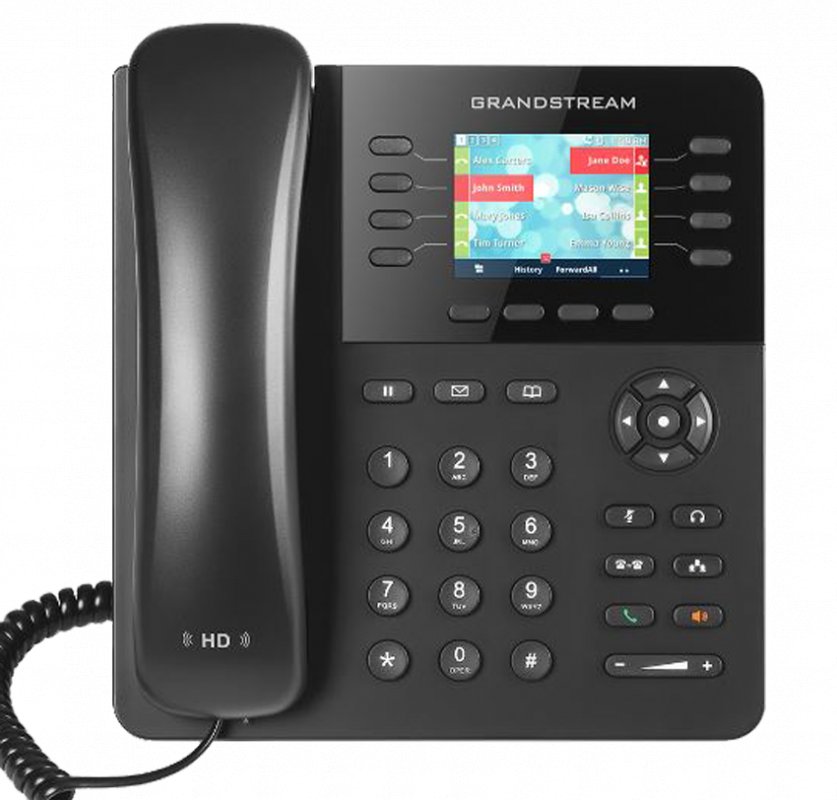
Devices like Grandstream’s IP phones exemplify how innovation supports this shift. Built with customization and scalability in mind, these phones support programmable buttons, personalized directories, and cloud provisioning. Such features allow organizations to deploy tailored communication setups across multiple locations swiftly, transforming what used to be a complex process into a straightforward task. This flexibility not only speeds up deployment but also ensures that communication tools evolve alongside business needs.
The move toward personalized telephony isn’t just about hardware; it’s about transforming the entire communication infrastructure. Cloud management platforms like Grandstream’s GDMS simplify configuration, monitoring, and updates for large device fleets remotely. This centralized control minimizes downtime, improves responsiveness, and makes scaling operations more manageable. As a result, organizations can stay ahead of changing demands and keep their networks resilient.
Investing in customized telephony solutions creates a solid foundation for smarter, more adaptable networks. It helps organizations break free from outdated systems and embrace a future where communication seamlessly integrates with daily operations. Whether upgrading existing infrastructure or building new systems, tailored telephony unlocks better connectivity, operational agility, and a competitive edge. In a world that’s increasingly connected, flexibility and personalization are no longer optional—they are essential.
Building a Foundation in Telephony Technology and Personalization
Telephony technology has come a long way from the days of analog landlines to the sophisticated internet-based systems we rely on today. This evolution has given businesses a new level of flexibility and control over their communication tools. Moving beyond fixed lines, organizations now customize their phone systems to match specific workflows, making daily operations smoother and more efficient. This shift isn’t just about adding features; it’s about designing a system that truly fits how a business works, from call routing to user interfaces.
At the core of this transformation are modern IP phones, like Grandstream’s range of devices. These phones support a variety of features that enable personalization—quick-dial buttons, customizable directories, and intuitive interfaces—all aimed at saving time and reducing frustration. When employees can access their most-used functions instantly, it boosts productivity and makes communication feel more natural. This level of customization turns routine calls into streamlined interactions that support operational needs.
The move to VoIP—Voice over Internet Protocol—marks a major milestone. Unlike traditional landlines, VoIP uses the internet to transmit calls, which opens the door to a host of smart features. It’s scalable, adaptable, and easier to manage, making it ideal for growing businesses. Early digital systems introduced voicemail and call forwarding, but they lacked the flexibility needed in today’s fast-paced world. VoIP systems, especially when managed through platforms like GDMS, allow organizations to easily add users, reconfigure call flows, and deploy updates remotely, all while maintaining high call quality.
Network infrastructure plays a crucial role in supporting these advanced telephony systems. Properly configured Quality of Service (QoS) settings prioritize voice traffic, ensuring clear calls even during busy periods. Segregating voice data onto separate VLANs boosts stability and security, preventing disruptions and safeguarding sensitive conversations. Regular firmware updates and remote management further enhance performance, making it straightforward to keep the system running smoothly as the network evolves.
Understanding these foundational elements—innovative hardware, flexible network configurations, and management platforms—equips organizations to leverage the full potential of customized telephony. By integrating scalable devices like Grandstream’s IP phones with optimized network practices, businesses can build communication environments that are not only reliable and efficient but also ready to grow with their needs. This knowledge forms the backbone of smart, adaptable business communication, ensuring that technology serves as a true asset in daily operations.

Current Landscape of Business Telephony Systems and Innovations
Today’s telephony landscape has undergone a dramatic transformation, shifting from traditional landlines to internet-based systems that prioritize flexibility, scalability, and ease of management. Modern devices like Grandstream’s IP phones support cloud provisioning and centralized control, making deployment and updates more straightforward than ever. These VoIP solutions integrate voice with data networks, offering features such as unified communications, remote access, and mobile integration that help organizations streamline operations and enhance customer engagement.
The variety of IP phones and network configurations available today is impressive. Devices like Grandstream’s models support high-definition voice, customizable user interfaces, and seamless integration with various business tools. They connect via Ethernet or Wi-Fi, providing flexibility for different office layouts and remote setups. Managed through centralized platforms, these devices allow for remote configuration, monitoring, and firmware updates, reducing operational complexity and minimizing downtime.
Many organizations are adopting hybrid deployment models, combining on-premises hardware with cloud management platforms. This approach offers control over critical systems while benefiting from the scalability and convenience of cloud solutions. Platforms like Grandstream’s GDMS enable large-scale device deployment and ongoing oversight, simplifying maintenance across multiple locations. The choice between on-premises, cloud, or hybrid setups depends on specific business needs, but all aim to deliver reliable, adaptable communication environments.
Cloud-managed telephony solutions have become the standard for businesses of all sizes. They provide centralized control over device setup, call routing, and user management from anywhere. This flexibility accelerates deployment and makes scaling seamless as organizations grow. Real-time analytics and reporting tools help optimize workflows, identify issues early, and maintain high-quality service—turning communication into a strategic advantage rather than a technical hurdle.
While traditional PBX systems still serve larger enterprises with specific control requirements, they often involve higher upfront costs and complex maintenance. Cloud solutions like GDMS enable remote management, rapid deployment, and easier updates, making them ideal for dynamic, fast-paced environments. Managing multiple sites from a single interface ensures consistency, responsiveness, and a future-proof foundation for growth.
Advances in telephony devices and network practices further enhance deployment and management. Grandstream’s IP phones support remote provisioning, programmable buttons, and personalized interfaces, reducing setup time and ensuring uniformity across locations. Proper network configuration—such as QoS prioritization and VLAN segmentation—ensures high call quality and security. This combination of innovative hardware and optimized infrastructure creates a resilient, scalable backbone that supports future growth and operational resilience.
Strategic Steps to Deploy Tailored Communication Systems
Implementing customized telephony solutions starts with a clear understanding of your organization’s unique communication needs. Analyze daily workflows to identify pain points or areas where efficiency can be improved. Focus on features like personalized call routing, quick-dial buttons, and tailored user interfaces that directly address operational challenges. This ensures your deployment isn’t just about technology but about creating practical solutions that enhance productivity.
Choosing the right devices is essential. Grandstream’s IP phones are highly versatile and designed for customization. Look for models supporting programmable buttons, which let users access frequently used functions or speed dial numbers instantly. Devices with cloud provisioning support simplify deployment across multiple locations, saving time and reducing configuration errors. Selecting hardware built for scalability and flexibility provides a strong foundation for a communication system that grows with your business.
Your network infrastructure must support these new systems effectively. Confirm that your existing network can handle increased voice traffic without sacrificing quality. Implement Quality of Service (QoS) settings to prioritize voice data, ensuring clear calls during busy periods. Segment voice traffic onto dedicated VLANs for both stability and security, preventing disruptions and protecting sensitive conversations. Regular firmware updates and remote management via platforms like GDMS keep devices running smoothly and simplify ongoing maintenance.
Deploy gradually, especially if your organization is large or complex. Start with a pilot phase by installing a few devices and testing configurations thoroughly. This approach helps you catch issues early, minimizing disruptions during full deployment. Document each step—device provisioning, network adjustments, and user feedback—to ensure a smooth rollout across all locations. Phased deployment allows you to make adjustments based on real-world usage, ensuring the system truly meets operational needs.
Training staff on new hardware and features is often overlooked but crucial. Provide clear instructions on customizing phones, accessing key functions, and reporting issues. Well-trained users are more likely to leverage the full benefits of their devices, leading to smoother adoption and more efficient workflows. Encourage ongoing feedback and support to help employees become comfortable with the new system, transforming it into a productivity asset.
Leverage centralized management platforms like GDMS to streamline maintenance. These tools enable remote configuration, firmware updates, and device monitoring across your entire fleet. This reduces the need for physical visits and helps identify issues before they impact operations. Centralized control ensures your communication network remains reliable, scalable, and easy to adapt as your organization evolves.
Remember that customization is an ongoing process. As your business changes—adding new departments, modifying call flows, or integrating with other systems—regularly revisit your telephony setup. Use management platforms to implement updates quickly and efficiently, avoiding stagnation. Continuous refinement ensures your communication environment stays aligned with strategic goals, supporting growth and innovation.
Finally, optimize your network to support your tailored telephony system fully. Proper QoS configuration, VLAN segmentation, and security protocols are essential for maintaining high call quality and safeguarding data. A resilient, well-managed network forms the backbone of your customized solution, ensuring your communication remains smooth, secure, and prepared for future demands. With these steps, your organization can deploy a personalized telephony system that elevates operational efficiency and customer engagement.
Embracing Future Trends in Intelligent, Flexible Telephony Technology
As telephony technology continues to advance, the future promises smarter, more adaptable communication systems that become integral to business success. Artificial intelligence is beginning to automate routine tasks like call routing and customer inquiries, freeing staff to focus on more complex, value-driven interactions. Cloud platforms will evolve to offer deeper integrations with other business tools, giving organizations greater agility to scale and customize their networks as they grow. This shift will make communication systems more responsive and aligned with strategic objectives.
With the rollout of 5G and edge computing, networks will deliver faster, more reliable connections that support real-time data sharing and seamless remote collaboration. Employees will be able to work from virtually anywhere without sacrificing call quality or responsiveness, transforming the way organizations operate. Personalization will become even more critical, with systems analyzing data to create tailored experiences for both employees and customers—making every interaction more engaging, efficient, and impactful.
Unified communication platforms will increasingly merge voice, video, messaging, and data sharing into single, streamlined solutions. These integrated systems will simplify workflows, enhance productivity, and provide valuable analytics to optimize performance. As they become more intelligent, organizations will be better equipped to anticipate needs and respond proactively, turning communication networks into strategic assets that drive growth rather than just operational tools.
Security and privacy will remain a top priority as telephony systems become more interconnected and cloud-dependent. Future solutions will incorporate advanced encryption, multi-factor authentication, and compliance measures to protect sensitive information. Organizations will need to stay vigilant, adopting best practices to safeguard their communication channels against emerging threats while maintaining trust with customers and partners.
The emphasis on customization will continue to shape innovation, with devices supporting more personalized interfaces and workflows. Organizations will develop new ways to configure call flows, integrate third-party applications, and tailor features to meet specific operational needs. This flexibility will empower businesses to create communication environments that are precisely aligned with their strategic goals, fostering greater efficiency, agility, and competitive advantage.
Investing in future-ready, customizable telephony solutions today positions organizations at the forefront of technological evolution. Such systems not only ensure resilience and scalability but also unlock new opportunities for innovation and growth. Embracing these trends now helps businesses stay agile, responsive, and prepared to thrive in an increasingly digital and connected world. The future of telephony isn’t just about technology—it’s about empowering organizations to communicate more effectively, adapt swiftly, and turn their networks into engines of strategic success.