Choose the Perfect Car Repair Method for Every Situation
When your car acts up, do you know the best way to get it fixed? Exploring options like DIY repairs, mobile mechanics, and full-service garages reveals a crucial balance between cost, convenience, and safety. DIY repairs can be rewarding and budget-friendly for simple tasks, but risking complex jobs without proper skills can lead to costly mistakes. Mobile mechanics bring professional service to your doorstep, offering convenience for routine fixes, yet they have limitations on more involved repairs. Full-service garages provide comprehensive expertise and advanced equipment for complex issues, but at a higher price and longer wait. The key lies in understanding when each approach is appropriate—are you confident enough to do it yourself, or is it smarter to trust trained technicians? Making the right choice not only saves money but safeguards your vehicle’s safety and longevity. Are you truly equipped to handle your car’s needs, or is it time to call in the experts?
Navigate Your Car Repair Choices: DIY, Mobile Mechanics, or Garages
When your car starts acting up, figuring out how to get it repaired can feel overwhelming. There’s a lot to consider—cost, convenience, safety, and your own skills. The options usually boil down to three main choices: tackling the repair yourself, hiring a mobile mechanic, or heading to a full-service garage. Understanding the strengths and limitations of each helps you choose the right approach for each situation.
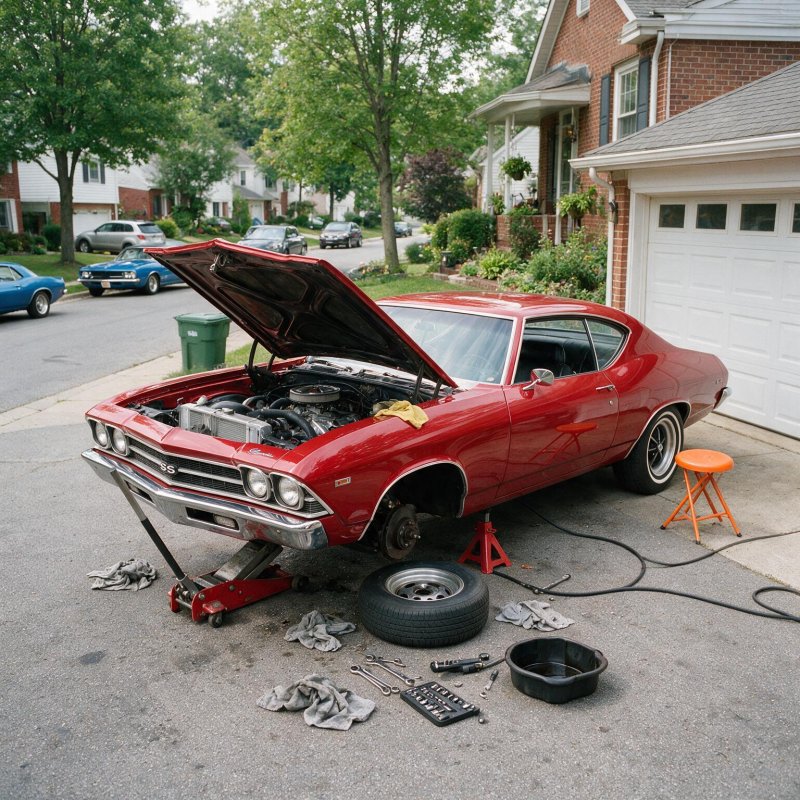
Doing repairs on your own can be a smart way to save money and gain confidence in your vehicle maintenance. Basic tasks like changing the oil, swapping out filters, or replacing wipers are manageable with some tools and a bit of patience. These jobs can often be done over a weekend and give you a sense of accomplishment knowing you handled it yourself. Plus, you only pay for parts, which keeps costs low.
But not every repair is suitable for DIY. More complex issues—like engine work or electrical system repairs—require specialized knowledge and equipment. Tackling these without proper training can lead to mistakes that compromise safety or cause further damage. Recognizing your limits is key; attempting complicated repairs without the right tools and expertise can turn a simple fix into a costly headache.
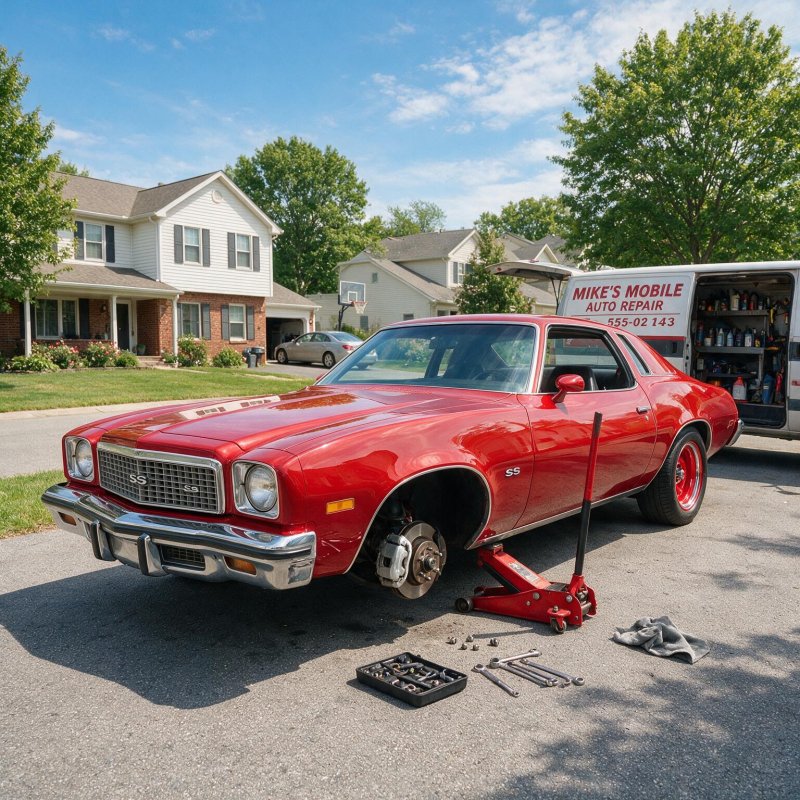
That’s where mobile mechanics come in. They bring professional service directly to your driveway or parking lot. This setup is especially convenient for routine repairs such as battery replacements, fluid changes, or brake pad swaps. Since they operate without the overhead of a shop, their prices are often more affordable, and you save the hassle of towing or waiting in a shop.
However, mobile mechanics have their limits. They’re best suited for straightforward repairs that don’t require heavy lifting or advanced diagnostics. Complex repairs involving engines, transmissions, or wheel alignments typically need the equipment only found in a traditional garage. For these jobs, visiting a full-service shop remains the safest and most reliable option.
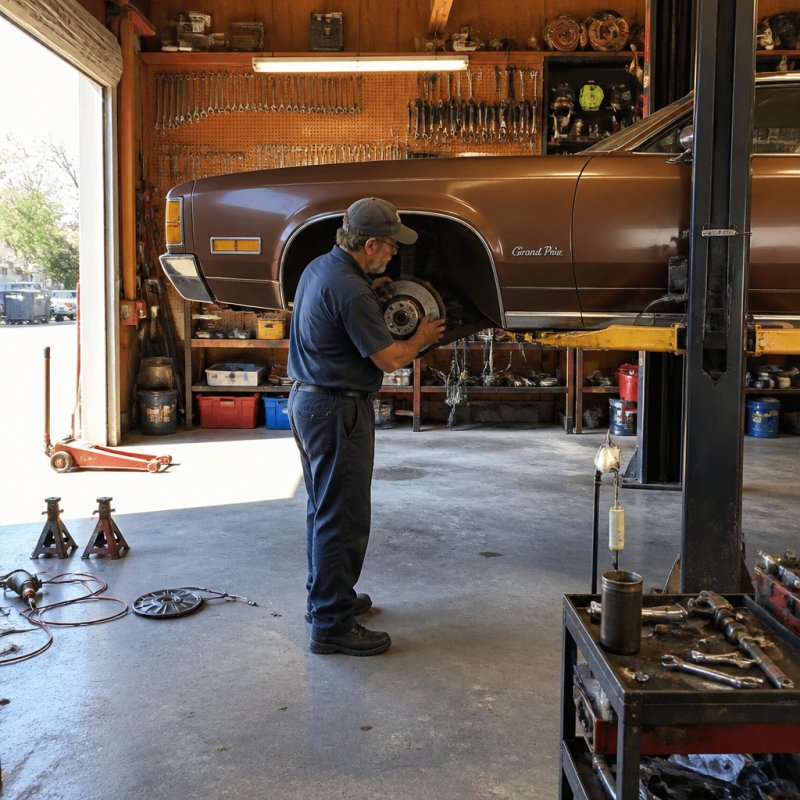
Full-service garages are equipped with lifts, diagnostic computers, and specialized tools to handle the most demanding repairs. They’re the go-to choice for engine rebuilds, transmission work, or safety-critical repairs. While costs are higher and scheduling might require planning, the expertise and warranties offered by these shops ensure your vehicle’s safety and reliability.
Choosing the right repair method depends on the specific job and your circumstances. Simple maintenance tasks are often best handled DIY, especially if you enjoy working on your car. For more involved issues, professional help—whether mobile or at a garage—ensures the repairs are done correctly and safely. Knowing when to do it yourself and when to bring in the experts keeps your vehicle running smoothly and keeps safety at the forefront.
Unlock the Benefits and Boundaries of DIY Car Repairs
Doing your own car repairs can be a practical way to save money and gain a deeper understanding of your vehicle. Simple tasks like changing the oil, swapping air filters, or replacing windshield wipers are often straightforward and manageable with basic tools. These projects are quick, cost-effective, and can give you a satisfying sense of accomplishment, especially if you enjoy working on your car in your spare time. Plus, you only pay for parts, which helps keep expenses low.
However, not every repair is suitable for a DIY approach. More complex issues—such as engine repairs, electrical system work, or transmission problems—require specialized knowledge, tools, and safety precautions. Attempting these without proper training can lead to mistakes that compromise safety or cause further damage. Recognizing your limits is crucial; tackling a job that involves high-tension components or intricate electronics without expertise can turn a simple fix into a costly nightmare.
Tools are a key part of DIY repairs. Basic jobs often only need common hand tools like wrenches, screwdrivers, and pliers, which many people already own or can buy inexpensively. For more involved projects, you might need specialized equipment such as torque wrenches, diagnostic scanners, or lifts. Renting or borrowing tools can be a cost-effective solution for infrequent repairs, but investing in quality tools makes sense if you plan to do ongoing maintenance. Just remember, using the right tools is essential for safety and ensuring the job is done correctly.
Safety should always come first. Working under a vehicle, handling chemicals, or dealing with parts under tension can be dangerous if proper precautions aren’t taken. Wearing safety goggles, gloves, and using jack stands or lifts properly can prevent accidents. Mistakes in installation or overlooking hidden damage can lead to safety risks or more expensive repairs later on. Being honest about your skill level and taking the necessary safety measures helps ensure that your DIY repairs are both effective and safe.
A related discussion appears in Smart Repair Choices for Safe and Cost-Effective Car Maintenance, written by Chris Stewart for Euler's Mathematical Constant – e.
Balancing your skills and the complexity of the repair is vital. Small, routine jobs like changing fluids or replacing filters are perfect for DIY, especially if you’re comfortable with basic tools. For anything beyond that—particularly involving critical safety systems or complex electronics—calling in a professional is usually the smarter move. Knowing when to stop and seek expert help preserves your vehicle’s safety, reliability, and your peace of mind.
Discover the Convenience and Limits of Mobile Mechanics
Mobile mechanics are transforming how many of us handle car repairs by offering a level of convenience that traditional repair shops often can’t match. Instead of driving your vehicle to a garage and waiting around, a qualified technician comes directly to your driveway, parking lot, or workplace to do the job on-site. This approach is especially useful for routine repairs like replacing a dead battery, changing oil, or swapping out brake pads, which don’t require heavy equipment or lifts. Because mobile mechanics operate with lower overhead costs, they often pass those savings on to customers, making their services more affordable for everyday fixes.
One of the biggest advantages of mobile mechanics is how seamless their service feels. There’s no need to coordinate towing or disrupt your day with drop-offs and pickups. Having a mechanic come to you saves time and reduces hassle, especially when you’re busy. Many mobile services also offer flexible scheduling, sometimes even same-day appointments, which can be a real lifesaver during busy weeks. Watching the mechanic work and asking questions along the way adds transparency, helping you understand what your vehicle needs.
However, mobile mechanics do have their limits. Their tools and parts are limited to what they can carry, so they’re best suited for straightforward repairs that don’t need lifts or advanced diagnostics. Complex issues—like engine repairs or wheel alignments—require specialized equipment only found in full-service garages. For these more involved problems, heading to a traditional shop isn’t just more convenient; it’s safer and more reliable. Relying solely on mobile mechanics for big repairs can lead to delays or incomplete fixes.
For a related viewpoint, Kenzie Wilson covers this in Smart Car Repair Choices for Safe and Cost-Effective Maintenance on Fantasy Quest Pro.
Quality can vary more among mobile mechanics than with established shops, so choosing a reputable provider is crucial. Look for reviews, certifications, and warranties on parts and labor to ensure you’re protected. It’s wise to verify their experience, especially if your repair involves critical or complex components. This way, you can feel confident that your vehicle is in capable hands and that the repair will hold up over time.
Another consideration is the scope of repairs mobile mechanics can handle effectively. Routine tasks like fluid top-offs, battery replacements, or brake pad swaps are typically well within their wheelhouse. But for repairs requiring heavy lifting, diagnostic computers, or extensive parts replacement, a full-service garage with advanced tools is often the better choice. Knowing these boundaries helps you avoid frustration and ensures your car gets the proper care without unnecessary delays.
All in all, mobile mechanics offer a practical middle ground. They excel at quick, routine fixes, saving you time and effort while providing a more personalized experience. For larger, safety-critical repairs, however, trusting a well-equipped garage remains the safest, most thorough option. Recognizing where their strengths end helps you make smarter decisions—keeping your vehicle safe, reliable, and well-maintained with minimal hassle.
Trust in Full-Service Garages for Complex and Safety-Critical Repairs
Traditional repair shops and full-service garages remain the go-to choice when your car needs more than routine maintenance. These facilities are equipped with lifts, diagnostic computers, and specialized tools that make complex repairs not only possible but efficient. Whether it’s an engine overhaul, transmission repair, or addressing safety-critical systems, these garages bring the necessary resources and expertise to get the job done right the first time.
One of their key advantages is access to advanced equipment. Lifts allow mechanics to reach parts tucked away deep inside the engine bay or underneath the vehicle, while diagnostic computers quickly identify issues that might not be obvious. This combination of tools ensures that repairs are thorough, reducing the chance of lingering problems or unexpected breakdowns later on. Plus, many garages offer warranties on parts and labor, adding a layer of security to your investment.
Full-service shops also excel at handling multiple issues during a single visit. If your car has developed a few problems, a skilled technician can diagnose and address everything at once, saving you the hassle of multiple trips or appointments. Their technicians often specialize in specific makes or models, which means they understand the nuances of your vehicle better than generalists. For owners of newer or high-value cars, dealership garages provide the added benefit of original parts and manufacturer-specific expertise, helping to maintain your vehicle’s warranty and resale value.
However, this level of service does come with a higher price tag. Labor costs at full-service garages tend to be significantly more than DIY or mobile options. Scheduling can also be a challenge—many shops operate by appointment, and waiting times can extend, especially during busy periods. For urgent repairs, this can mean longer delays, which might be inconvenient if your daily driver is out of commission.
A deeper treatment of this topic appears in Choose the Best Car Repair Method for Safe and Affordable Fixes, by Icarus Jackson on Dahlia Dark Sorcery.
It’s worth noting that upselling is common in these settings. Technicians might recommend additional repairs or maintenance that aren’t immediately necessary. While many shops are honest and transparent, it’s always wise to get a second opinion on major repairs to avoid unnecessary expenses. Despite these drawbacks, the peace of mind that comes with professional, thorough work often outweighs the extra cost, especially for safety-critical or complex issues.
In the end, full-service garages stand out as the most reliable option for intricate or safety-related repairs. Their expertise, equipment, and warranties ensure your vehicle is in capable hands. While they require more planning and investment, trusting a reputable garage helps keep your car dependable and safe on the road for years to come.
Choosing the Perfect Repair Approach for Your Vehicle’s Needs
Deciding on the best approach for car repairs hinges on understanding the specific demands of each job and weighing your own skills, resources, and priorities. For simple, routine maintenance like changing windshield wipers or topping off fluids, DIY is often the smartest choice. These tasks are straightforward, cost-effective, and give you the satisfaction of handling your vehicle yourself. However, as the complexity of the repair increases—especially when it involves critical safety systems or intricate electronics—turning to professionals becomes essential.
For repairs that require specialized tools, diagnostic equipment, or heavy lifting, a full-service garage provides the expertise and safety measures needed to do the job right. These shops are equipped to handle engine rebuilds, transmission issues, and other complex problems efficiently and thoroughly. While they tend to be more expensive and require scheduling, their work comes with warranties and peace of mind that your vehicle will be restored safely and reliably.
Mobile mechanics bridge the gap for many car owners, offering convenience without sacrificing quality on straightforward repairs. They’re ideal for tasks like replacing batteries, brake pads, or performing fluid changes—jobs that don’t demand lifts or advanced diagnostics. Their flexibility saves you time and effort, especially when scheduling is tight. Still, their scope is limited, so for anything beyond basic fixes, a traditional garage remains the best choice.
Matching the repair method to the task also means recognizing when your skills are sufficient. If you’re comfortable with basic maintenance and have the right tools, DIY can be both economical and rewarding. But for anything more complicated, relying on trained technicians ensures safety, accuracy, and long-term vehicle health. It’s wise to prioritize quality over saving a few dollars when safety and reliability are at stake.
Ultimately, selecting the right repair approach depends on assessing the job’s complexity, safety implications, and your own capabilities. Being honest about what you can handle prevents costly mistakes and keeps your vehicle dependable. Knowing when to roll up your sleeves and when to call in the pros is key to maintaining your car effectively while avoiding unnecessary risks. This balanced approach helps ensure your vehicle remains safe, reliable, and well-maintained for years to come.



