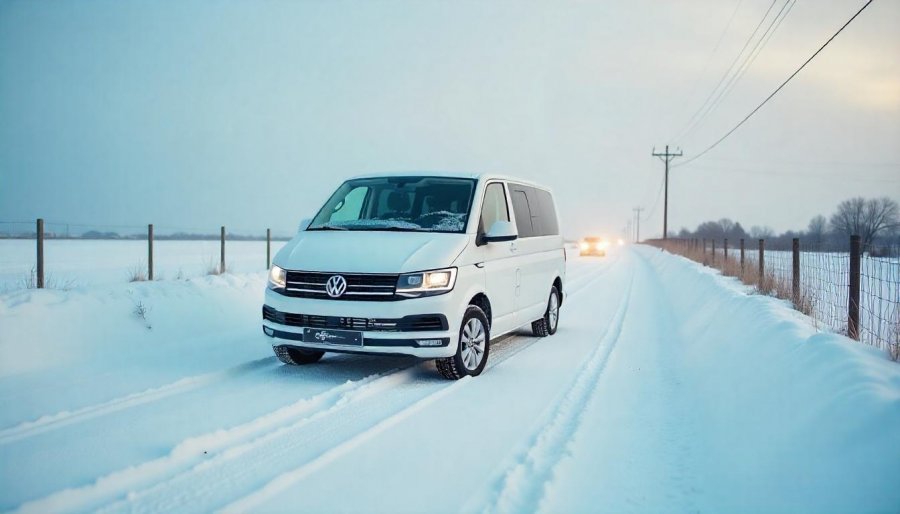
Revolutionizing Winter Driving with Cutting-Edge Tire Technology
Winter tires are engineered to transform how we navigate icy and snowy roads, using softer rubber compounds and advanced tread designs that outperform regular tires in cold conditions. Their deeper grooves and numerous sipes grip icy surfaces more effectively, reducing slipping and hydroplaning risks. But how much safer are they really, and are they worth the investment? As technology evolves, so do these tires—incorporating smarter materials and adaptive features that respond to changing winter conditions. Many drivers already experience firsthand the confidence boost from shorter stopping distances and improved handling on treacherous surfaces. Looking ahead, innovations like embedded sensors and self-healing materials promise even greater safety and durability. Could these advancements make winter tires a standard for all vehicles, transforming winter driving from hazardous to manageable? The science and real-world results suggest that upgrading to quality winter tires isn’t just a choice—it could be your smartest move for safer journeys in the season’s toughest weather.

Discover the Crucial Role of Winter Tires in Safe Cold-Weather Driving
Winter tires are specially designed to handle the unique challenges of cold-weather driving. When temperatures drop, regular tires tend to harden and lose their grip, increasing the risk of slipping and accidents. In contrast, winter tires use softer rubber compounds that remain flexible even in freezing conditions. This flexibility allows them to mold more effectively to icy and snowy surfaces, providing better contact and traction where it matters most.
The tread pattern of winter tires also plays a crucial role in their performance. They feature deeper grooves and numerous sipes—small cuts in the rubber—that create biting edges. These design elements help the tires grip onto snow and ice by slicing into the surface and channeling away slush, water, and melting snow. This not only enhances traction but also reduces the risk of hydroplaning, keeping vehicles more stable and responsive during winter storms.
Wearing winter tires isn’t just about comfort; it’s a vital safety measure. When temperatures fall below about 7°C (45°F), standard tires start to harden, significantly reducing their grip. Winter tires, however, stay pliable, resulting in shorter braking distances and improved handling on icy or snowy roads. This difference can be the key to avoiding accidents or losing control when roads become slick and unpredictable.
Many drivers underestimate the importance of winter tires, sometimes viewing them as an unnecessary extra. But the science behind these tires tells a different story. Their specialized rubber compounds and tread designs are engineered to outperform regular tires in cold conditions. Studies consistently show that vehicles equipped with winter tires can stop faster on icy surfaces and maintain steadier control on snow-covered roads.
Knowing how winter tires work helps drivers make smarter choices before the season hits. Replacing all-season or regular tires with dedicated winter tires can significantly boost safety and confidence in winter driving. Installing them proactively ensures you’re prepared for whatever weather comes your way, transforming hazardous conditions into manageable and safer journeys.
Unveil the Science Behind Winter Tire Performance and Design
Winter tires perform their impressive feats through a combination of specialized materials and thoughtful design features. At their core, they use rubber compounds formulated to stay soft and flexible even when temperatures plunge well below freezing. Unlike regular tires that harden and lose grip on icy surfaces, winter tires maintain their pliability, allowing them to mold more effectively to snow, ice, and uneven terrain. This flexibility creates a larger and more consistent contact patch with the road, which is essential for traction and stability in winter conditions.
The tread pattern of winter tires is equally critical. These tires feature deeper grooves and an abundance of sipes—tiny slits cut into the rubber that increase biting edges. These design elements enable the tire to slice into snow and ice, channeling away slush, water, and melting snow to maintain grip. The increased surface area and biting edges help prevent slipping and hydroplaning, ensuring predictable handling even during sudden maneuvers or braking.
Beyond just tread depth and pattern, the science behind winter tires revolves around how the rubber interacts with icy surfaces at low temperatures. The softer, more pliable compounds stay flexible when standard tires become rigid, which is vital for maintaining grip. This adaptability allows winter tires to conform closely to irregularities on slick surfaces, reducing the risk of slipping on black ice or packed snow. This consistent contact with the road translates into shorter stopping distances and more reliable control.
Slip resistance is a key benefit of these tires. Their combination of deep treads, numerous sipes, and flexible rubber maximizes grip on icy patches and snow-covered roads. This setup helps vehicles bite into icy surfaces rather than glide over them, offering drivers a safer, more confident driving experience. Enhanced traction means less skidding and more predictable responses, which are vital when quick reactions are needed in winter driving conditions.
Choosing the right winter tire involves understanding how these design features work together. The most effective models combine durable, low-temperature rubber with aggressive tread patterns engineered for maximum grip. Real-world performance consistently confirms that these scientific principles translate into safer winter driving, making winter tires an essential upgrade for anyone facing cold, icy roads.
Ultimately, the science behind winter tires shows that their performance isn’t accidental but carefully engineered. The combination of flexible rubber compounds and innovative tread designs provides a noticeable edge over standard tires, especially in the harshest conditions. This understanding underscores why investing in quality winter tires can make a real difference, turning winter driving from a risky chore into a safer, more manageable experience.

Explore Cutting-Edge Trends and Innovations in Winter Tire Technology
In recent years, the use of winter tires has seen a steady increase, driven by both technological advancements and a growing awareness of winter safety. Modern winter tires now incorporate innovative rubber formulations that remain softer and more pliable in freezing temperatures, which significantly boosts their grip and control on icy and snowy roads. This technological leap means drivers can rely on their tires to perform optimally across a wider range of cold conditions, making winter driving safer and more predictable.
Tread design has also evolved, with manufacturers introducing deeper grooves and an abundance of sipes—those tiny slits that create biting edges—to enhance traction. These improvements not only help tires grip snow and ice more effectively but also contribute to quieter, more comfortable rides. Some brands now offer specialized options like studless ice tires and run-flat models, giving drivers tailored solutions for urban commutes, off-road adventures, or long-distance trips.
Beyond materials and tread patterns, ongoing innovation focuses on smarter tire technologies. Researchers are developing composites that stay soft at even lower temperatures, ensuring consistent grip in the coldest environments. Adaptive tread systems are being tested that can change shape or grip based on surface conditions, providing optimal traction whether on black ice, slush, or packed snow. These advancements are making winter tires more reliable, versatile, and effective than ever before.
Market dynamics reflect these technological strides. Stricter safety standards and government regulations in colder regions encourage more drivers to switch to dedicated winter tires. Many areas now recommend or mandate their use during specific months, reinforcing their importance for winter safety. Insurance incentives and public awareness campaigns further motivate drivers to make the upgrade, resulting in a significant shift toward safer, winter-ready vehicles.
The diversity of available winter tires has expanded to meet different needs and budgets. From eco-friendly models to high-performance variants, manufacturers are ensuring that more drivers can access tires suited to their vehicle type and driving style. This variety promotes broader adoption, making winter safety accessible to a larger audience and encouraging proactive preparation before the first snow falls.
Looking ahead, the future of winter tires promises even more innovative features. Researchers are exploring ultra-soft, durable materials and nanotechnology to enhance grip and durability. Sensors embedded in tires could soon provide real-time surface condition data to drivers or vehicle systems, alerting them to icy patches or hazardous areas. Such smart technology aims to make winter driving safer and less stressful.
Autonomous vehicle development also influences winter tire innovation. Self-driving cars equipped with adaptive, sensor-driven tires could respond dynamically to changing road conditions, improving safety and performance in winter’s toughest environments. These innovations could drastically reduce accidents caused by black ice or sudden snowstorms, transforming winter roads into safer pathways.
As these advancements become mainstream, drivers will benefit from tires that adapt seamlessly to winter challenges. Safer slip resistance, shorter braking distances, and longer-lasting performance will become standard features, dramatically improving winter driving experiences. Embracing these innovations now positions drivers ahead of the curve, ensuring they stay confident and in control when winter weather hits hardest.
Real-World Insights: How Winter Tires Transform Driving Safety
Many drivers who switch to winter tires immediately notice a difference in how their vehicle handles on icy or snowy roads. They often describe feeling more confident behind the wheel, especially during early morning commutes or when black ice lurks unseen. One common story is how winter tires significantly shorten stopping distances—what once required cautious braking now becomes smooth and predictable, reducing the risk of slipping or skidding. These practical experiences align perfectly with the science behind winter tires, where softer rubber compounds and aggressive tread patterns provide superior grip on slick surfaces.
Drivers frequently mention that their steering becomes more responsive with winter tires. Even in severe weather, vehicles feel more stable and easier to control, making turns safer and more predictable. This stability becomes especially valuable when roads are packed with slush or icy patches that can suddenly appear. Many report feeling less anxious during winter drives because they’re confident their tires will grip the road, a direct benefit of the increased traction winter tires offer.
A common theme among these stories is how winter tires help prevent slips and skids in tricky conditions like black ice, where standard tires often falter. Vehicles equipped with winter tires tend to stay glued to the road, even on packed snow or frozen patches. This improved grip isn’t just about comfort—it’s about safety, offering drivers more control when quick reactions are needed. Many drivers describe the feeling of slipping as almost disappearing, replaced by a sense of steadiness and reassurance that their tires are doing their job.
Some drivers share how their winter trips to ski resorts or remote areas are now smoother and safer thanks to their winter tires. They navigate steep inclines, packed snow, and icy patches with ease, confidently handling environments where regular tires would struggle. These real-world accounts demonstrate how features like deeper treads and flexible rubber truly make a difference, preventing accidents and ensuring steady progress through winter’s toughest conditions.
Stories from everyday drivers confirm what research shows: that winter tires deliver better grip and slip resistance. The increased confidence, shorter braking distances, and predictable handling are tangible benefits stemming from their specialized design. These experiences underscore that investing in quality winter tires isn’t just about comfort—it’s a smart safety move. Real-world insights reveal that these tires genuinely improve winter driving safety, making them an essential upgrade for anyone facing icy roads or heavy snowfall.
Finally, many drivers emphasize the importance of timely preparation. Those who installed winter tires before the first snow often found themselves better equipped to handle sudden storms and icy surprises. The peace of mind that comes with knowing your tires are designed for winter conditions can transform anxiety into confidence. These practical stories highlight how science and real-world experience combine to prove that winter tires truly deliver on their promise—keeping drivers safer and more in control when winter’s worst hits.
Looking Ahead: The Future of Winter Tire Innovation and Smart Technology
Looking ahead, winter tire technology is set to become even more innovative and sophisticated. Researchers are exploring new materials, such as ultra-soft yet durable rubber composites, that could provide superior grip and flexibility at the coldest temperatures. These advancements aim to keep tires pliable and effective even in extreme winter conditions, enhancing slip resistance and overall safety. Nanotechnology is also making its way into tire design, with smart materials that adapt dynamically to changing surfaces—whether icy, slushy, or snowy—delivering optimal traction in real time.
Manufacturers are pushing the boundaries with adaptive tread systems that can modify their shape or grip based on surface conditions. Imagine tires that respond to icy patches by firming up or softening when encountering slush, ensuring maximum contact and stability at all times. Such innovations could extend tire lifespan by adjusting wear patterns according to driving habits and environmental demands. This not only boosts safety but also contributes to sustainability, as tires become more efficient and last longer.
The integration of sensors and connected technology promises to revolutionize winter driving safety. Future tires might come equipped with embedded sensors that monitor surface conditions and relay this data to drivers or vehicle systems. This real-time feedback could alert drivers to hidden black ice or warn of hazardous patches, reducing surprises and accidents. Vehicles could even automatically adjust traction control or braking systems based on tire and surface data, making winter journeys safer and less stressful.
Electric vehicles stand to benefit significantly from these innovations. Specialized winter tires designed for EVs aim to improve battery efficiency and extend range during cold weather, addressing a notable challenge in winter driving. With continued development, we can expect performance-focused winter tires that optimize energy use while maintaining exceptional grip and control—keeping EV drivers confident on icy roads.
Looking further into the future, self-healing tire technologies are emerging, with materials capable of repairing minor cuts or punctures on their own. This could dramatically improve durability and reliability in the harsh winter environment, reducing the need for frequent replacements or roadside fixes. As these advancements become mainstream, winter tires will not only perform better but also last longer, making winter safety more accessible and dependable.
Ultimately, the evolution of winter tire technology points toward safer, smarter, and more sustainable solutions. With ongoing research and breakthrough materials, drivers will soon benefit from tires that seamlessly adapt to winter’s toughest conditions—delivering confidence, control, and peace of mind during the coldest months of the year. The future of winter driving is shaping up to be safer and more reliable than ever before.



