Beginner’s Guide to Confident and Joyful Camping Adventures
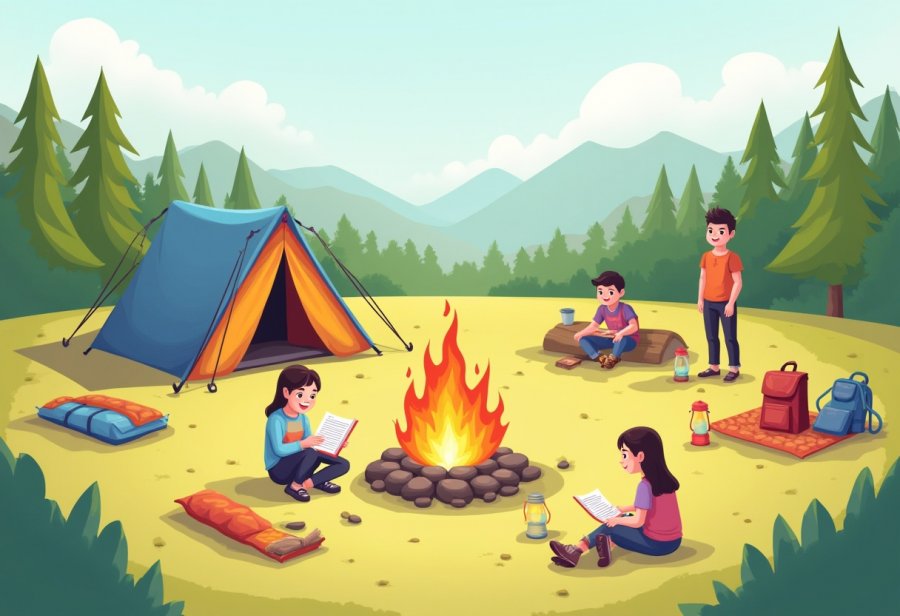
Embarking on your first camping adventure might seem intimidating, yet it holds the promise of transforming fears into unforgettable experiences. Could a simple shift in mindset turn outdoor challenges into rewarding discoveries? This guide reveals that camping isn’t as complex as it appears—it’s about embracing nature, learning as you go, and building confidence through small wins. From choosing beginner-friendly locations to mastering basic setup techniques, each step is designed to foster a sense of calm and curiosity. Mistakes and setbacks are presented not as failures but as essential parts of the journey, encouraging resilience and patience. As you connect with the quiet beauty of the outdoors—listening to bird songs, watching sunrises—you begin to see nature as a source of renewal. With ongoing practice and a positive outlook, camping evolves from a daunting task into a lifelong passion, offering endless opportunities for growth, bonding, and discovery.
Begin Your Outdoor Adventure with Confidence
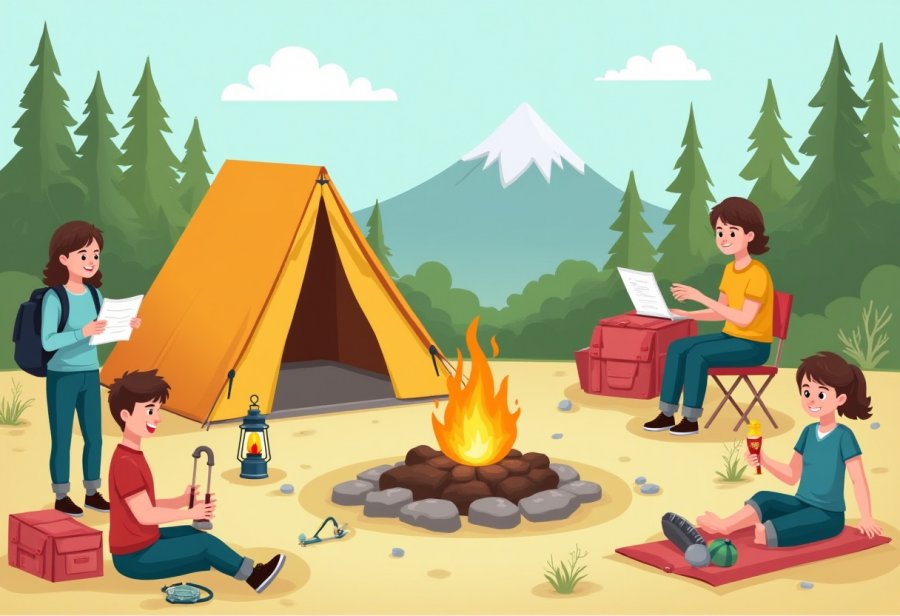
Starting your first camping trip can feel a little intimidating, especially if outdoor adventures are new territory. But the reality is, camping isn’t nearly as complicated as it might seem at first glance. It’s about stepping outside your usual routine and embracing a different rhythm—one that’s rooted in simplicity, nature, and discovery. When you approach it with curiosity rather than hesitation, even small challenges become opportunities to learn and grow. Setting up a tent, for example, might take a few tries, but each attempt boosts your confidence and skills. Before long, the process feels more natural and enjoyable.
This first step is also a chance to shift your perspective. Instead of worrying about everything that could go wrong, try to see the outdoors as a place of calm and renewal. Listening to bird songs, feeling the breeze on your skin, or simply enjoying the quiet can remind you how restorative nature truly is. These moments of connection are the real treasures, far beyond technical details or gear. Remember, every seasoned camper started exactly where you are now—nervous but eager to explore.
Getting familiar with the basics sets a solid foundation for your outdoor journey. Simple preparations—like packing the right gear, choosing a good campsite, and planning for weather—can make all the difference. Focus on essentials: a sturdy tent, a warm sleeping bag, enough water, and appropriate clothing. Having these in place allows you to relax and enjoy the experience rather than stress over the unknown. When you’re out there, adopting a positive mindset helps you stay flexible. If things don’t go perfectly, that’s part of the adventure, not a failure.
As you settle into your new environment, remember that camping is more than just staying outdoors. It’s an opportunity to disconnect from screens and routines, and reconnect with nature and yourself. Even a short trip can open the door to more adventures, building your confidence and appreciation for the natural world. Each outing adds to your skills and deepens your love for outdoor life. So take a deep breath, enjoy the moment, and look forward to the rewarding experiences that await in your outdoor journey.
Choose the Perfect Location and Timing for Your First Trip
Choosing the right spot for your first camping trip can make all the difference in how comfortable and confident you feel. Look for a location that’s easy to access, ideally within a couple of hours’ drive, so you don’t feel overwhelmed by a long journey. Campsites in national parks or well-maintained campgrounds tend to be perfect because they offer amenities like clean water, restrooms, and clear signage, which help ease the learning curve. A site that’s not too remote allows you to familiarize yourself with the basics without feeling isolated, while still providing a taste of adventure. Doing a quick bit of research—reading reviews, checking maps, or asking friends—can help you find a safe, welcoming spot that suits beginners.
Timing your trip is just as important as choosing the location. Aim for seasons with mild weather—spring and fall are often ideal—and avoid peak summer weekends when campsites can be crowded. Checking the weather forecast before you go is essential; you want to be prepared for rain or unexpected cold snaps. Shorter trips of a night or two work best for beginners, giving you a manageable window to learn the ropes and build confidence without feeling stretched thin. Once you’re comfortable, you can plan longer stays or venture further into more remote areas, but starting small keeps things fun and stress-free.
Planning a simple and flexible itinerary will keep things manageable. Focus on a few easy activities like nature walks, birdwatching, or relaxing around the campfire. Leave room for spontaneous moments—sometimes those turn out to be the most memorable. Pack light but efficiently, making sure essentials like a portable stove, enough food and water, and weather-appropriate clothing are included. Having a rough plan helps prevent last-minute scrambling, but staying flexible allows you to adapt if weather or other circumstances change unexpectedly. This relaxed approach transforms your trip into an enjoyable experience, rather than a stressful checklist.
Getting your gear ready is straightforward if you focus on the basics. Start with a reliable tent suited for the season, a warm sleeping bag, and a sleeping pad for comfort. Don’t forget a flashlight or headlamp with extra batteries, and pack clothing that can be layered—think moisture-wicking base layers, a warm jacket, and rain gear. Simple cooking supplies like a portable stove, utensils, and enough food are enough to get started. Hydration is key, so bring water bottles or hydration systems, and consider a water filter if natural sources are nearby. Keep small items like a first aid kit, insect repellent, and sunscreen within reach to handle minor issues swiftly.
When you arrive, choose a flat, sheltered spot away from low-lying areas prone to flooding. Clear the ground of debris, and set up your tent according to the instructions, staking it securely into the ground. Inside, organize your gear so essentials are within easy reach, and familiarize yourself with your surroundings—know where the water source is and watch for potential hazards. As evening falls, take a moment to breathe in the peaceful environment. Whether lighting a lantern or simply gazing at the stars, this quiet time helps you relax and settle in. Remember, feeling a little nervous is normal, but taking things step by step makes the experience enjoyable.
Preparing for your first night outdoors doesn’t have to be complicated. Dress in layers, so you stay warm or cool as needed, and zip up your sleeping bag to trap heat. A hat or hood adds extra warmth if temperatures drop. If you wake during the night, try to stay calm—deep breaths and listening to the sounds of nature can be surprisingly soothing. Trust that each night outdoors is a learning experience, helping you grow more comfortable and confident. With each trip, setting up camp and settling in becomes easier, turning initial nerves into excitement for many more outdoor adventures to come.
Set Up Camp and Prepare for Your First Night Outdoors
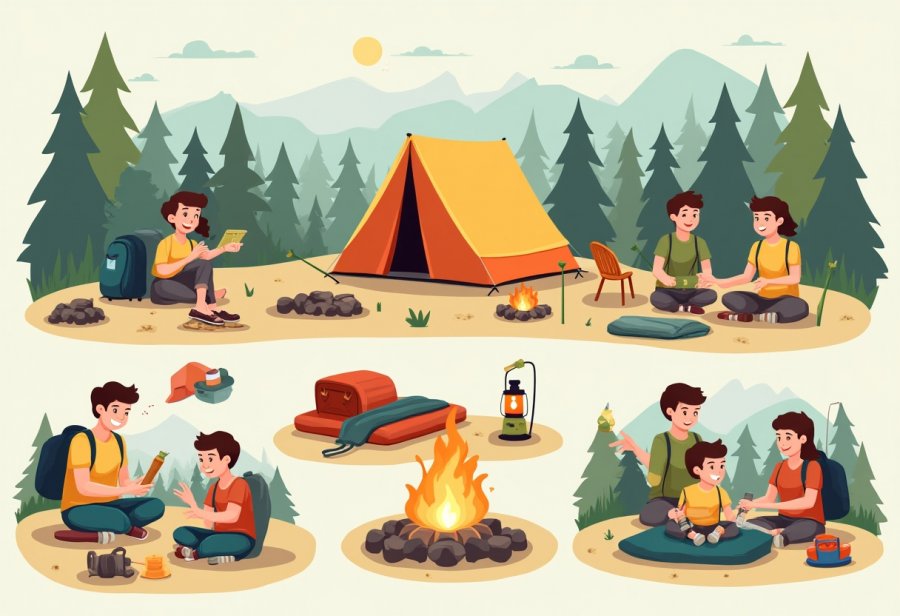
Setting up your camp for the first night can feel a bit overwhelming, but breaking it into simple steps makes it manageable. Start by finding a flat, sheltered spot away from low-lying areas that might flood if it rains. Look for natural windbreaks like trees or bushes to add comfort and protection. Once you’ve chosen the spot, lay down a groundsheet or tent footprint to protect the bottom of your tent from moisture and rough terrain. Carefully follow the tent instructions, assembling the poles and staking it securely into the ground. A stable tent is key to a good night’s sleep, so take your time to ensure everything is set up correctly.
Inside the tent, organize your gear so essentials like your flashlight, water, and warm layers are within easy reach. Make your sleeping space cozy with your sleeping bag and pad, ensuring it’s flat and comfortable. After pitching the tent, step outside to survey your surroundings—identify the closest water source and check for hazards like loose branches or uneven ground. Staying aware of your environment keeps you safe and prepared for the night ahead. Keep a small first aid kit, insect repellent, and sunscreen nearby; these simple items can make a big difference if something unexpected occurs.
As evening settles, take a moment to relax and soak in the peaceful surroundings. If you have a campfire, make sure it’s fully extinguished before sleeping. If fires aren’t an option, a lantern or headlamp provides enough light and warmth. Listening to the natural sounds—the rustling leaves, distant calls of animals—can be surprisingly soothing. Establish a routine, even in the dark; familiar actions help reduce nerves and make settling in easier. Remember, feeling a little nervous is normal, especially on your first night outdoors.
Getting a good night’s sleep outdoors relies on simple preparations. Dress in layers so you can stay warm or cool as needed, and zip up your sleeping bag to retain heat. A hat or hood can add extra warmth if temperatures drop overnight. If you wake during the night, stay calm—take slow, deep breaths and remind yourself you’re safe. The sounds of nature can be calming and help you relax back into sleep. Each night outdoors is a chance to learn and grow, and with each experience, setting up camp and settling in becomes more natural.
Enjoying your first night outside is about embracing the moment and trusting your preparations. The environment might be unfamiliar at first, but with a little patience, it quickly becomes a peaceful retreat. Focus on your breathing, listen to the gentle sounds around you, and let the calm of nature soothe any nerves. Once you’re settled, allow yourself to unwind and enjoy the quiet beauty of the outdoors. Remember, every trip is a step forward, building your confidence and enhancing your outdoor skills. Before you know it, setting up and relaxing in your campsite will feel second nature, opening the door to many more adventures.
Stay Positive and Embrace Challenges During Your Camping Journey
Keeping your spirits high during a camping trip often depends on your mindset. When plans don’t go quite as expected—rain starts falling, your tent is stubborn, or a piece of gear goes missing—staying calm and adaptable is key. Instead of getting frustrated, take a deep breath and see these moments as part of the adventure. Approaching setbacks with patience and a sense of humor can turn potential problems into stories you’ll laugh about later. Focusing on what’s going right helps you keep a positive outlook and enjoy the experience, even when things don’t go perfectly.
Small joys are the heart of a happy camping trip. Take time to listen to the sounds of the woods, watch the sunrise, or share a quiet moment with loved ones. These simple pleasures remind you why you came outdoors in the first place. When you see challenges as opportunities to learn or discover something new, minor issues become part of the story rather than obstacles. This perspective keeps your trip enjoyable and helps you appreciate the unpredictable beauty of nature.
Flexibility can make or break your outdoor experience. If a planned hike gets rained out, consider staying in camp and playing a game, telling stories, or simply relaxing. Being open to changing your plans keeps things light and prevents stress from taking over. Sometimes, the most memorable moments come from unexpected surprises—spotting wildlife, singing around the campfire, or discovering a hidden trail. Embracing these surprises adds authenticity and joy to your trip, transforming it into a rich adventure.
Sharing good vibes with your fellow campers amplifies the fun. When everyone stays relaxed and positive, the group’s energy lifts everyone’s mood. Laughter, jokes, and shared stories create bonds that turn an ordinary outing into a memorable experience. Encouraging a cheerful atmosphere helps everyone feel more connected and resilient in the face of small setbacks. Remember, a positive attitude is contagious and can turn even a challenging moment into a highlight.
Preparation plays a crucial role in maintaining a happy camping experience. Carrying extra gear—like rain jackets, a backup flashlight, or a few snacks—makes handling surprises smoother. Knowing simple fixes, such as how to patch a tent or start a fire in the rain, keeps frustration at bay. When you’re confident managing minor setbacks, you stay focused on enjoying your time outdoors rather than stressing over problems. This proactive approach helps keep your trip fun and stress-free.
Finally, embrace the imperfect moments as part of the journey. Sometimes, the best memories come from unplanned detours or mishaps. Maybe you get caught in a shower and end up singing in the tent or stumble upon a breathtaking view you didn’t expect. Accepting these surprises as part of the adventure makes your experience richer and more genuine. The key is to stay curious, keep humor handy, and focus on the simple pleasures around you. With a resilient and positive outlook, camping becomes not just an escape into nature but a chance to grow, connect, and truly enjoy every moment.
Celebrate Your Progress and Fall in Love with the Outdoors
Starting your camping journey isn’t about reaching perfection from the start; it’s about embracing each step and building confidence along the way. Every trip, no matter how small, teaches you something new—whether it’s setting up your tent more efficiently or preparing a simple outdoor meal. These small wins accumulate, transforming initial nerves into a sense of achievement and excitement for what’s ahead. As your skills grow, outdoor adventures will feel more natural and enjoyable, fueling your desire to explore further.
Confidence outdoors develops through practice and maintaining a positive outlook. When you approach camping with curiosity and patience, setbacks—like unexpected rain or gear mishaps—become opportunities for growth rather than obstacles. Even the most challenging moments can turn into stories you’ll remember and laugh about later. Embracing these experiences helps deepen your connection to nature and boosts your resilience, making future trips easier and more fulfilling.
Connecting with the outdoors offers a sense of renewal that goes beyond the act of pitching a tent or cooking outside. It’s about immersing yourself in the environment, taking in the quiet beauty of a sunrise, listening to wildlife, or simply feeling the breeze. These moments of genuine connection refresh your mind and foster a deep respect for nature, inspiring you to make more sustainable choices in daily life. Each trip becomes a chance to discover new facets of the natural world and yourself.
Building a tradition of outdoor adventures creates lasting benefits. Regular time outdoors reduces stress, sharpens mental clarity, and sparks creativity. Sharing these experiences with friends or family strengthens bonds and creates memories that last a lifetime. Each outing adds to your love for outdoor life, encouraging you to try new activities or explore more remote places. These moments of discovery and connection become the foundation for a lifelong outdoor journey.
Remember, you don’t need elaborate gear or distant destinations to get started. Begin with manageable trips, focus on enjoying each moment, and let your confidence grow naturally. The outdoors rewards patience, curiosity, and an open mind. As you develop your skills and deepen your appreciation for nature, camping transforms from a simple activity into a source of joy, renewal, and lifelong adventure. Trust yourself, stay flexible, and keep exploring—your outdoor journey is just beginning.



