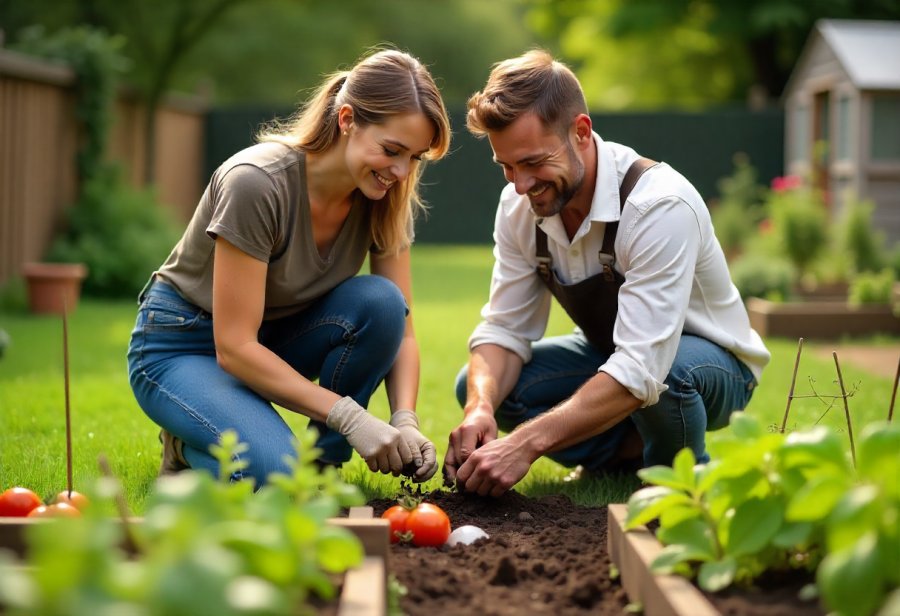
Cultivating Emotional Bonds through Gardening and Nature’s Healing Power
In an era dominated by screens and digital connections, can tending a garden together truly unlock deeper emotional bonds and foster healing? This exploration reveals that shared gardening experiences transcend simple outdoor activity, transforming into powerful rituals of patience, trust, and communication. From ancient civilizations to modern therapeutic programs, science and tradition affirm that engaging with nature nurtures mental well-being, reduces stress, and enhances resilience. Today’s diverse gardening practices—community initiatives, urban green spaces, and inclusive programs—highlight how collective effort fosters social bonds and emotional health. Practical routines like planting and harvesting become acts of mutual support, creating spaces for authentic connection and shared purpose. Looking ahead, technological innovations and expanded community efforts promise to make the healing power of gardening accessible to all, shaping resilient, compassionate communities. Could cultivating plants be the key to cultivating a more connected, emotionally resilient world?
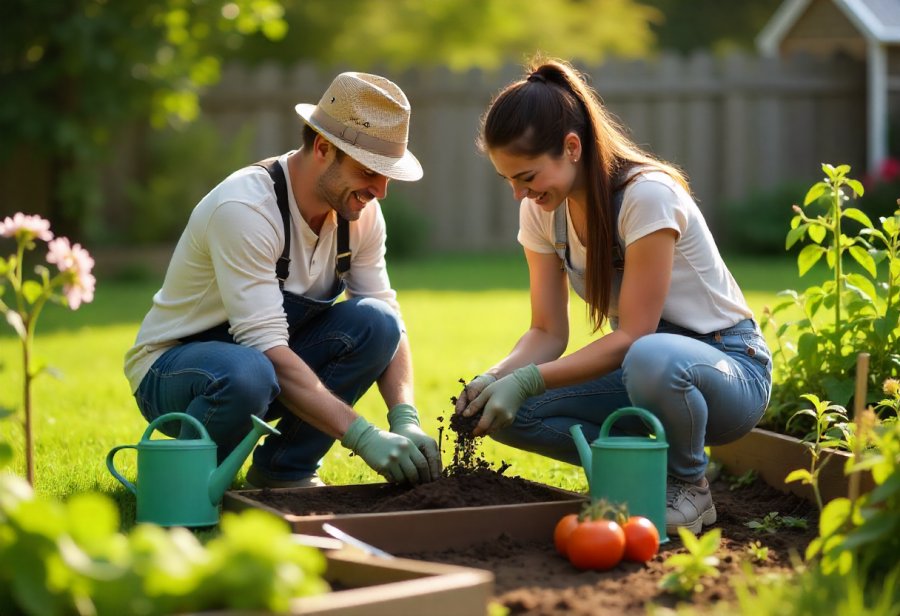
Cultivating Connections: How Shared Gardening Empowers Emotional Bonds
Gardening together goes beyond planting and watering; it creates a shared space where emotional bonds can flourish. When people work side by side in the soil, they engage in a collaborative activity that naturally encourages communication, patience, and trust. Whether planting seeds, tending to growing plants, or harvesting the fruits of their labor, these simple acts foster teamwork and a sense of accomplishment that deepens relationships. In today’s busy, screen-dominated world, outdoor activities like gardening offer a refreshing way to disconnect from technology and reconnect with each other and nature.
Shared gardening experiences transform routine tasks into meaningful moments of connection. Working together requires cooperation and patience, which helps build trust and open dialogue. These interactions often lead to conversations that might not happen otherwise, laying a foundation for stronger bonds. As plants grow and thrive through collective care, the shared responsibility becomes a symbol of hope and resilience, reinforcing emotional ties and a sense of purpose.
In our digital age, tending to plants outdoors shifts focus from screens to soil, promoting face-to-face interaction and genuine connection. Hands digging into the earth and nurturing life together help reduce stress and foster mindfulness. These physical acts create space for authentic conversations and emotional support, turning gardening into a therapeutic ritual. Watching life flourish through joint effort reminds us of the importance of patience and care, both for the garden and for our relationships.
Moreover, caregiving for living things can be deeply healing. The repetitive routines of watering, pruning, and harvesting encourage mindfulness and help individuals stay present with their thoughts and feelings. Sharing these routines with others enhances trust and emotional resilience, transforming gardening into a meaningful practice of emotional nurturing. As plants grow and blossom through collective effort, they become symbols of hope, vitality, and human connection.
Gardening in a shared setting often becomes a fertile ground for emotional growth. Whether couples working through communication challenges or families teaching children responsibility, the garden becomes a nurturing environment for relationships. Community gardens foster camaraderie and support, turning a collective activity into a space for shared joy and purpose. In these moments, tending to plants together nurtures not just the garden but also the bonds that hold us together, making emotional well-being an integral part of the experience.
Ancient Roots and Modern Science: The Healing Power of Nature and Gardens
Humans have long turned to nature and gardening as sources of healing and renewal. For centuries, cultures across the globe have used outdoor spaces and plants not just for sustenance or beauty, but as tools to restore emotional and spiritual balance. Ancient civilizations and indigenous communities understood intuitively that spending time in green environments could calm the mind and nurture the spirit. Their rituals and stories often revolved around gardens and natural landscapes, highlighting a deep connection between land and well-being.
In recent decades, scientific research has begun to validate what many have felt instinctively. Studies show that exposure to green spaces lowers cortisol levels, reducing stress and anxiety. People who spend time in nature frequently report feeling calmer, more focused, and happier. Gardening, in particular, offers an active way to connect with nature, providing a sense of purpose and mindfulness. Whether tending a small garden or working on a community plot, engaging with plants can lead to measurable improvements in mental health.
This understanding has roots in therapeutic practices developed in the 20th century. During World War II, hospitals introduced gardening programs to aid wounded soldiers’ emotional recovery. Observers noted that caring for plants helped reduce anxiety and fostered a sense of achievement, laying the foundation for therapeutic horticulture. Over time, community gardens emerged as spaces that not only grew food and beauty but also strengthened social bonds and offered emotional support.
Biologically, gardening supports mental health by encouraging mindfulness and stabilizing mood. Green environments help lower blood pressure, improve cognitive function, and promote being present. Watching plants grow and flourish inspires hope and resilience, contributing to emotional reinforcement. Routine tasks like watering and pruning create calming rhythms, helping to manage feelings of overwhelm and anxiety. These benefits confirm what many have known for generations: connecting with nature through gardening is a powerful, accessible way to nurture emotional well-being.
Throughout history, figures like Dr. Benjamin Rush and organizations dedicated to therapeutic horticulture have championed gardening’s role in mental health. Their work emphasizes that caring for living things taps into our fundamental human needs for connection, purpose, and growth. Cultures worldwide—from Japan’s bonsai traditions to Native American land ceremonies—have recognized the universal power of tending plants to heal and restore the spirit. This enduring tradition underscores gardening’s timeless relevance as a tool for emotional resilience and human connection.
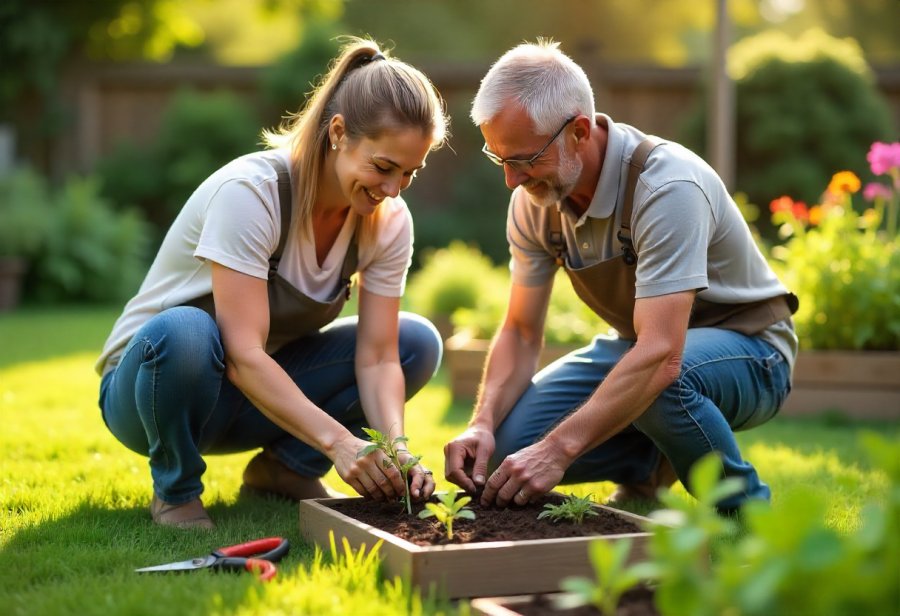
Today’s Garden Movements: Trends, Techniques, and Beliefs Bridging Heart and Earth
Today’s approach to gardening is more diverse and purposeful than ever, especially when it comes to fostering emotional well-being and building connections. Community gardens, urban green spaces, and therapeutic horticulture programs are growing in popularity, transforming gardening from a solitary pastime into a collective experience. These initiatives emphasize shared effort, social bonding, and the restorative power of nature, often serving as vital support systems for mental health.
Working together in planting, watering, and harvesting naturally encourages patience, cooperation, and open communication. Simple exchanges—passing tools, sharing pride over a first bloom—turn gardening into a ritual that deepens relationships and cultivates a sense of community. This shift from individual activity to shared experience helps strengthen bonds and creates opportunities for meaningful conversations and mutual support.
Current trends also highlight inclusive and innovative gardening practices. Urban initiatives are turning vacant lots into vibrant green hubs, making nature accessible in densely populated areas and connecting city dwellers with the outdoors. Schools and workplaces are incorporating therapeutic gardens designed specifically to support mental resilience, recognizing gardening as a practical tool for emotional healing. These spaces serve as calming retreats and social gathering spots, promoting wellness through intentional design and shared effort.
Organizations dedicated to therapeutic horticulture continue expanding their reach, training professionals to use gardening as a form of emotional support. Their work underscores how tending to living things can reduce anxiety, foster patience, and promote resilience across diverse populations. However, challenges like limited outdoor access or physical limitations remind us that gardening isn’t a one-size-fits-all solution. Making these practices inclusive and adaptable remains essential to broadening their impact.
Despite obstacles, the momentum behind gardening’s role in emotional health keeps growing. Advances in technology—smart sensors, gardening apps, and virtual platforms—are making it easier and more engaging for everyone to participate, regardless of space or ability. From urban rooftops to small balconies, more people can enjoy the therapeutic benefits of tending plants, fostering connection and well-being in everyday life. This evolving landscape promises a future where gardening becomes a vital part of building resilient, caring communities.
Everyday Gardening: Practical Ways to Strengthen Relationships and Promote Mental Wellness
Gardening in everyday life offers simple yet powerful ways to deepen relationships and support mental health. When people come together to plant, water, or harvest, they create natural opportunities for meaningful connection. These shared routines foster communication, patience, and teamwork, laying the groundwork for trust and emotional bonding. Celebrating small successes, like a first bloom or a bountiful harvest, transforms routine tasks into joyful moments of shared achievement that strengthen bonds over time.
Establishing regular gardening activities turns caring for plants into a comforting ritual. Tasks like watering seedlings or pruning bushes become routines that provide stability and purpose, especially when performed together. These acts of shared responsibility serve as a platform for conversation and mutual support, helping partners, family members, or friends feel more connected and understood. Over time, these experiences cultivate a sense of teamwork that extends beyond the garden into everyday life.
Gardening also offers a chance to nurture loved ones and build meaningful traditions. Couples might find that tending a vegetable patch opens up new conversations and fosters patience. Families can teach children responsibility through planting projects, instilling values while creating lasting memories. Community groups working on shared gardens discover that collective effort not only produces food and beauty but also builds camaraderie and social resilience. In each case, the act of caring for living things becomes an act of emotional nurturing.
Getting started doesn’t require a large space or expert knowledge. Even a small container or windowsill garden can become a source of joy and connection. Choosing easy-to-grow plants like herbs or flowers ensures quick wins that boost confidence and motivation. Setting regular gardening times, like weekend mornings or after dinner, turns these moments into rituals that reinforce bonds and create anticipation. These small routines become anchors in busy lives, offering a dependable space for shared purpose.
Challenges may arise when skill levels differ or when life’s hurdles—seasonal changes, pests, or limited time—get in the way. Open communication about goals and expectations keeps the experience positive. Breaking tasks into manageable steps and celebrating small victories help maintain enthusiasm and inclusivity. Even setbacks, like a plant not thriving, become opportunities to learn and support each other, reinforcing patience and resilience.
Despite obstacles, practicing gardening together remains an accessible, impactful way to nurture both plants and relationships. Starting with simple projects like herbs or flowers can spark immediate joy and connection. The act of tending living things encourages mutual support, patience, and shared purpose—building emotional resilience and deepening bonds. Over time, these shared efforts transform gardening from a pastime into a meaningful practice that enriches everyday life and strengthens the ties that hold us together.
Gardening’s Future: Innovations, Community Growth, and the Expanding Role in Emotional Well-Being
Looking ahead, the role of gardening in strengthening bonds and supporting mental health is poised to grow in exciting and meaningful ways. Technological innovations like smart sensors, gardening apps, and virtual reality experiences are making it easier and more engaging for people to connect with nature, regardless of space constraints or physical limitations. These tools can monitor soil health, remind gardeners when to water, or even simulate lush gardens in small apartments. Such advancements will help more individuals experience the therapeutic benefits of tending plants, deepening emotional connections through accessible and interactive means.
Simultaneously, the expansion of therapeutic horticulture programs will continue to shape future practices. Schools, workplaces, and healthcare facilities are increasingly integrating garden-based activities designed to foster resilience, reduce stress, and promote social bonds. As awareness around mental health deepens, green spaces will be recognized not just as leisure areas but as vital components of holistic well-being. Thoughtfully designed gardens will serve as calming retreats and vibrant community hubs, offering spaces for shared experience and emotional healing.
Community-driven efforts will also be central to this evolution. Urban green spaces and community gardens will transform neglected or underused areas into lively gathering spots that foster trust, cooperation, and belonging. These shared gardens won’t merely produce food or flowers—they’ll become symbols of collective resilience and social cohesion, capable of bridging divides and nurturing a sense of purpose across diverse groups.
Meanwhile, digital platforms will democratize gardening even further. Online workshops, social media groups, and virtual forums will enable novices and seasoned gardeners alike to exchange knowledge, inspiration, and support. This blend of traditional gardening and digital connectivity will lower barriers to participation, making the act of tending plants a universal tool for emotional well-being and relationship building, no matter where someone lives.
As research continues to shed light on the healing power of nature, we can expect the integration of gardening into broader wellness practices to deepen. Hospitals, workplaces, and public parks will increasingly feature thoughtfully designed therapeutic landscapes that encourage shared activity and reflection. These spaces will emphasize human connection, transforming gardening from a solitary hobby into a collective effort to nurture community resilience and individual health.
Supporting these trends now—through small acts like starting a container garden or volunteering in local green projects—can help build momentum toward a future where everyone has access to nature’s benefits. By embracing new technologies and fostering inclusive environments, we can ensure that the healing and bonding power of gardening remains accessible to all, helping to weave stronger, more caring communities.
In essence, the potential of gardening to deepen bonds and promote healing is vast and adaptable. As society evolves, so too will the ways we grow together—literally and figuratively. Nurturing green spaces and leveraging innovative tools will create environments that heal, connect, and inspire. Tending to plants won’t just be about cultivation; it will be about cultivating a more compassionate, resilient world, where patience, care, and shared purpose flourish hand in hand.



