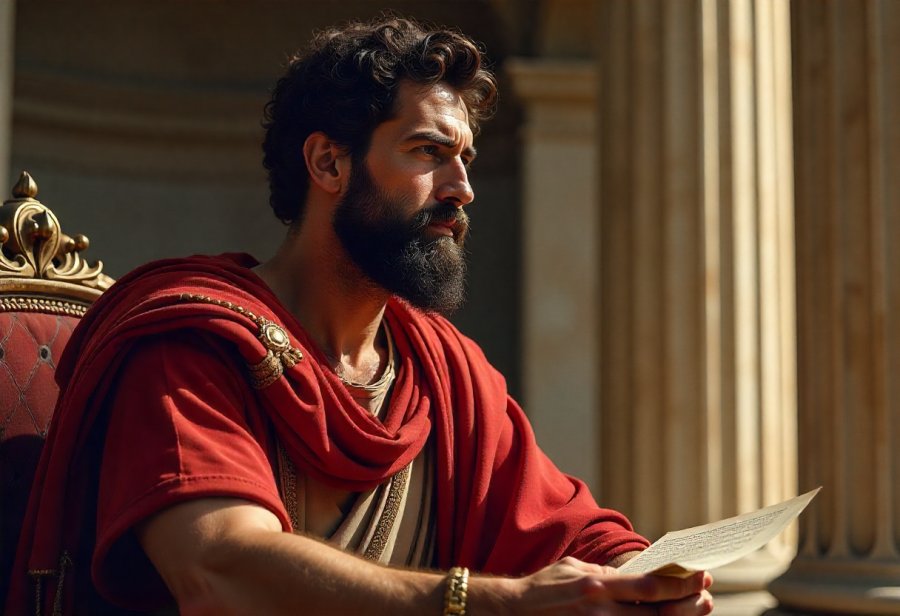
Inner Discipline: The True Source of Lasting Power
Could true strength lie not in external victories but in the mastery of oneself? Marcus Aurelius exemplifies this profound truth, governing an empire amid wars, plagues, and political turmoil while quietly cultivating resilience, humility, and moral clarity. His life and writings reveal that inner discipline—self-control, patience, and reflection—are the true foundations of authentic power. This timeless lesson challenges modern notions of success rooted in external achievements, prompting us to ask: how can cultivating inner virtues create lasting influence? Through stories of leaders like Gandhi and Mandela, we see that resilience grounded in virtue empowers individuals to withstand adversity and inspire change. Small daily practices—mindfulness, reflection, embracing humility—are depicted as practical tools for building this inner fortress. The narrative urges us to reconsider what it means to be truly strong, emphasizing that lasting legacy depends not on fleeting external wins but on the quiet, persistent effort to govern ourselves from within.
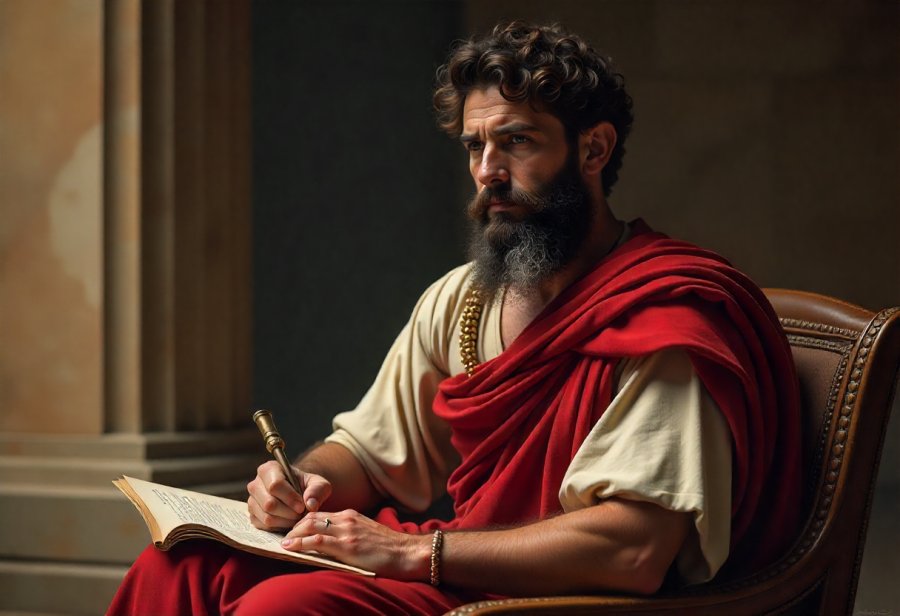
Inner Power Over External Achievement: Redefining Strength
When we think about strength, it’s easy to picture external markers—winning battles, gaining influence, or amassing wealth. These visible signs of power often shape our perception of what it means to be truly strong. But beneath these surface achievements lies a deeper question: could real strength be rooted inside us, in qualities like self-control, resilience, and wisdom? This idea challenges us to look beyond fleeting external successes and consider whether inner discipline might be the key to lasting power.
Throughout history, many great leaders and thinkers have believed that mastery over oneself surpasses external conquest. Marcus Aurelius, the philosopher-king of Rome, exemplifies this perspective. Even while ruling over a vast empire and facing relentless challenges—wars, plagues, political unrest—his true strength was his unwavering commitment to inner discipline. His writings in *Meditations* reveal a man dedicated to moral virtue and mental resilience, showing that enduring leadership begins within.
Focusing on inner strength doesn’t diminish external achievements; instead, it redefines their significance. External victories can be fleeting, easily lost or overshadowed by time, but qualities like patience, humility, and self-control create a foundation that endures. When leaders govern themselves first, their influence becomes more authentic and sustainable. They inspire respect not through dominance, but through consistency, moral clarity, and inner calm that shines through in every decision.
Recognizing this shifts our understanding of power itself. Instead of viewing strength as something to be wielded outwardly, it becomes a state of being—a disciplined mind and resilient spirit capable of weathering life’s storms. This inner fortress provides stability when chaos reigns and offers a moral compass that guides actions regardless of external circumstances. It’s a quiet, steady force that shapes character and legacy over time.
In today’s world, where success is often measured by external accomplishments, the importance of inner growth can be overlooked. Yet, stories of figures like Marcus Aurelius remind us that true influence and leadership are rooted in inner mastery. Developing habits of reflection, mindfulness, and virtue-building aren’t just philosophical ideas—they’re practical tools for cultivating lasting strength. This inner resilience becomes the true mark of authentic power.
Stoic Wisdom: Mastery, Resilience, and Inner Virtue
Stoic philosophy offers a clear blueprint for understanding how inner discipline builds genuine strength. At its core, it teaches that while external events—such as conflicts, setbacks, or hardships—are beyond our control, our reactions are entirely within our power. This shift from trying to change the world to mastering ourselves makes self-control and mental resilience the true sources of lasting power. Daily practices like reflection and journaling help us become more aware of our impulses and emotional triggers, giving us the space to pause and choose responses rooted in reason rather than emotion.
Resilience, a key Stoic ideal, isn’t about suppressing feelings but about cultivating the mental toughness to face adversity with calm and clarity. Marcus Aurelius often wrote about accepting what cannot be changed and focusing on how we respond. This mindset transforms challenges into opportunities for growth instead of sources of despair. Building this resilience involves deliberate effort—mindfulness exercises, consistent reflection, and the cultivation of virtues like patience and humility—so that over time, mental toughness becomes second nature.
Self-control, in Stoic terms, is closely linked to moral virtue. It involves governing desires and passions so they don’t override reason. Someone with strong inner discipline acts in accordance with their values, even under external pressure or temptation. This consistency builds character and earns genuine respect because actions are driven by moral clarity rather than fleeting emotions. Leaders who embody this discipline inspire trust and admiration because they remain steady and principled in every situation.
Practicing daily habits is essential for nurturing inner strength. Starting with brief morning reflections or journaling sets a purposeful tone, reinforcing your intentions and virtues. Mindfulness or simple meditation exercises help sharpen focus and reduce impulsivity, creating a mental refuge that stays calm amid chaos. As these practices become routine, your capacity to respond thoughtfully instead of react impulsively deepens, turning discipline into a tangible skill that sustains you through life’s inevitable ups and downs.
Ultimately, Stoicism emphasizes that true power lies in mastery over oneself. Cultivating resilience, self-control, and virtue through consistent effort creates an enduring foundation. This inner discipline isn’t flashy, but it quietly shapes leaders and individuals into resilient, wise beings capable of weathering any storm. Developing these qualities transforms challenges into opportunities for moral growth and personal strength, proving that the greatest power resides within.
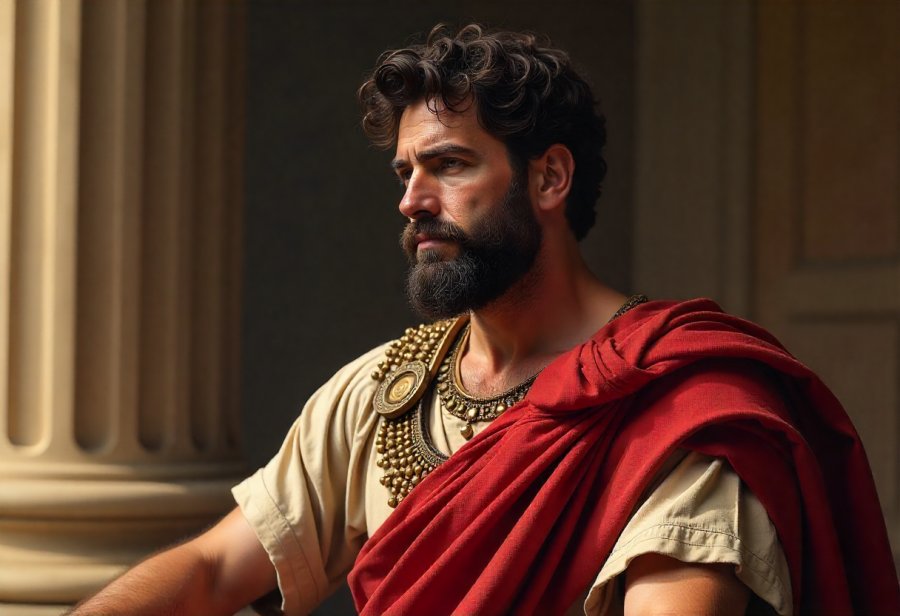
Legacy of Leaders: How Inner Discipline Shapes Greatness
Throughout history, many figures exemplify how inner discipline shapes genuine leadership and personal strength. Marcus Aurelius stands out as a prime example. Despite commanding vast armies and leading an empire beset by wars, plagues, and political turmoil, his ability to maintain inner calm was extraordinary. His writings in *Meditations* reveal a ruler committed to moral virtue and mental resilience, showing that external challenges are surmountable when inner discipline is strong.
Marcus’s leadership was deeply rooted in Stoic ideals of self-governance. Even amid chaos, he prioritized moral clarity and duty over ego and ambition. His personal reflections and actions—caring for soldiers, governing with humility—demonstrate that true power comes from mastery over oneself, not external conquest. His unwavering focus on virtue allowed him to lead with dignity and inspire trust, even during the darkest times.
Other figures reinforce this idea. Gandhi’s steadfast commitment to non-violence in the face of brutality, and Nelson Mandela’s endurance through decades of imprisonment, highlight how inner discipline sustains individuals through extreme adversity. Their unwavering adherence to moral principles transformed them into symbols of strength, illustrating that resilience grounded in virtue can move nations and inspire generations.
Their lives show that discipline—cultivated through daily reflection, humility, patience, and purpose—is a continuous process. Marcus Aurelius’s morning contemplations prepared him to respond thoughtfully rather than react impulsively. Mandela’s focus on forgiveness and reconciliation sustained his resolve. These examples prove that inner discipline isn’t static but a skill built through consistent effort, shaping leaders who remain steady regardless of external circumstances.
These stories affirm that genuine strength isn’t measured solely by external success. Instead, it’s rooted in the capacity to govern one’s mind and spirit. Leaders like Marcus Aurelius teach us that mastery over internal states creates a resilient foundation, enabling us to face chaos with calm and clarity. Their lives remind us that the most enduring power comes from within, far beyond fleeting external victories.
The quiet discipline of these figures leaves a lasting legacy. Their ability to maintain integrity amid pressure demonstrates that inner strength is the true bedrock of leadership. It’s this inner mastery—developed through daily effort—that allows individuals to withstand the turbulence of life and leave a meaningful mark.
In the end, these examples underscore a vital truth: external achievements fade, but inner discipline endures. Cultivating mental resilience, moral clarity, and humility isn’t just philosophical—it’s practical. It transforms lives and legacies, proving that the greatest strength is often the one we nurture quietly within.
Practical Steps to Cultivate Lasting Inner Resilience
Cultivating inner strength doesn’t require grand gestures; small, consistent habits can lead to profound change over time. Starting each day with a moment of reflection or journaling helps you become more aware of your thoughts, reactions, and emotional triggers. Even just a few minutes in the morning dedicated to setting intentions or contemplating your core virtues can create a purposeful mindset, making it easier to respond thoughtfully rather than react impulsively.
Practicing mindfulness or simple meditation exercises can significantly boost your mental resilience. These moments of focused breathing or quiet observation ground you in the present, reducing anxiety and impulsivity. Over time, this mental clarity builds a steady refuge within, enabling you to stay calm amid chaos and make deliberate choices rooted in reason and virtue.
Choosing to act with patience, humility, and discipline in everyday situations reinforces your moral character. Resisting temptation, showing kindness, or pausing before acting or speaking might seem small, but these acts solidify habits of integrity. As these behaviors become routine, they strengthen your inner resolve, making it easier to maintain composure when faced with external pressures or setbacks.
Letting go of what’s beyond your control is a powerful step in building resilience. Embracing this Stoic principle frees mental energy and reduces frustration, allowing you to focus on your reactions, attitudes, and choices. Viewing setbacks as opportunities for growth rather than sources of despair shifts your perspective and reinforces your inner discipline.
Consistency is key. Developing inner strength isn’t a one-time effort but an ongoing process. Embedding habits like daily reflection, mindfulness, virtue-driven actions, and acceptance into your routine creates a resilient foundation that deepens with each passing day. Over time, these small, deliberate practices cultivate a quiet confidence and mental toughness that helps you navigate life’s inevitable ups and downs with clarity and purpose.
Focus on making these practices part of your everyday life instead of seeking quick fixes. As they become ingrained, your capacity for self-mastery and inner resilience grows more natural, empowering you to face challenges with calm and moral clarity. This steady effort transforms discipline from an abstract concept into a tangible, living part of who you are.
Remember, the journey to inner strength is continuous. Every deliberate act of patience, reflection, and humility adds to your inner reservoir—fortifying your mind and spirit in ways that external achievements never can. By cultivating these habits, you build not just resilience but a profound sense of purpose and integrity that sustains you through all of life’s storms.
The Enduring Power of Inner Discipline: Summing Up Its True Significance
Inner discipline has proven to be one of the most enduring sources of true strength. Leaders like Marcus Aurelius teach us that governing oneself with patience, humility, and moral clarity creates a foundation that withstands external chaos. While external achievements may fade or be overshadowed by time, the resilience built from within remains steady and reliable. This inner strength allows us to face setbacks with calm, turning adversity into opportunities for growth rather than surrender.
In today’s culture, success is often measured by visible accomplishments—wealth, influence, or fame. It’s easy to overlook the quiet power of inner discipline, yet history shows us that genuine influence starts within. Developing habits of reflection, mindfulness, and virtues isn’t just philosophical fluff; it’s a practical way to cultivate lasting resilience. This inner fortitude becomes a steady anchor amid life’s uncertainties, guiding us with clarity and purpose when external circumstances threaten to pull us off course.
The stories of figures like Gandhi and Mandela reinforce that inner discipline isn’t about suppressing emotions but about mastering them. Their unwavering commitment to their principles—despite violence, imprisonment, and hardship—transformed them into symbols of strength that continue to inspire. Their lives demonstrate that true power resides in the capacity to govern the mind and spirit, not just external victories. Cultivating this mastery through daily effort ensures our leadership and character remain resilient, no matter what challenges come our way.
Building inner strength is a continuous journey, not a one-time achievement. Small, deliberate acts—such as daily reflection, practicing patience, and embracing humility—compound over time. These habits forge a resilient mindset that can navigate the inevitable ups and downs of life with calm and moral clarity. Over days, months, and years, this steady commitment transforms discipline into an ingrained part of who we are, empowering us to face any storm with steadiness and purpose.
This inner resilience isn’t just about personal growth; it shapes the legacy we leave behind. When we prioritize mastery over ourselves, we cultivate a moral compass that guides our actions with integrity. This quiet strength influences others more profoundly than superficial displays of power. It’s a lasting influence rooted in authenticity, built through consistent effort and genuine virtue.
As we look to the future, embracing inner discipline offers a path toward more meaningful fulfillment. In a world obsessed with external validation, turning inward to develop our moral virtues and mental fortitude provides stability and depth. This inner strength nurtures a sense of purpose that sustains us through uncertainty, ensuring that our true legacy is one of resilience, integrity, and authentic leadership.
The greatest power we possess isn’t what we wield outwardly, but what we nurture within. Mastery over our thoughts, emotions, and actions creates an unshakable foundation that endures beyond fleeting external successes. By investing in our inner resilience, we build a life of purpose and authenticity—one that can weather any storm and leave a lasting, meaningful impact. This quiet strength, cultivated daily, is the most profound empire we can ever build.