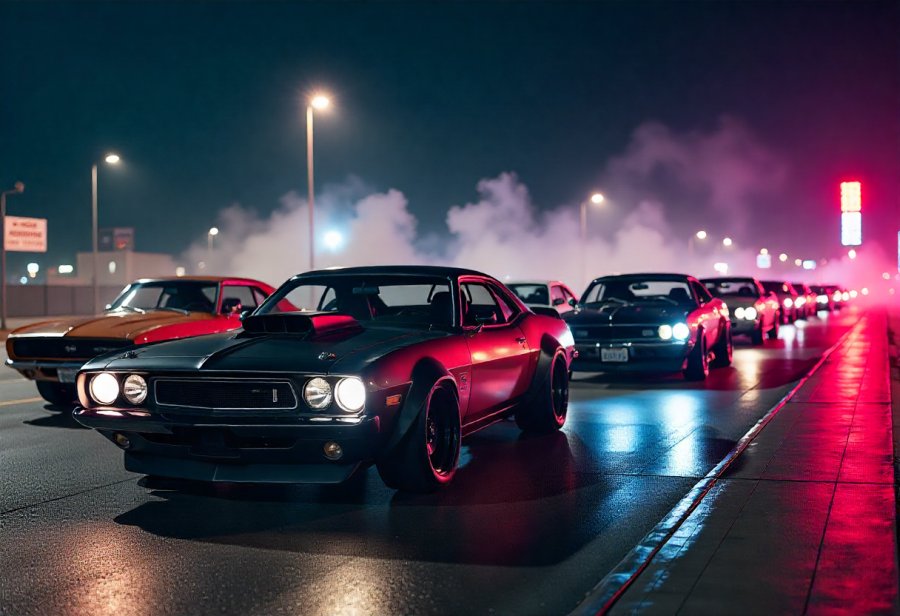
Underground Street Racing Brotherhood: Loyalty, Speed, and Resilience
Underground street racing ignites fierce competition and unbreakable brotherhood, forging bonds that run deeper than speed itself. This clandestine culture, rooted in secrecy and rebellion, transforms everyday cars into high-performance symbols of identity and pride, built through shared craftsmanship and late-night rituals. Despite legal crackdowns and safety concerns, technology—encrypted messaging, digital tuning—allows racers to evolve while maintaining their core values of loyalty and trust. These bonds foster a resilient community that transcends mere racing, shaping personal identities and creating a surrogate family based on resilience and shared purpose. As the scene adapts—embracing innovations like electric vehicles and semi-legal gatherings—the essence of brotherhood persists, driven by the desire to challenge norms and seek belonging. Could this underground culture, with its roots in rebellion and resilience, continue to thrive amidst increasing societal pressures? The enduring power of speed, loyalty, and community suggests it will.
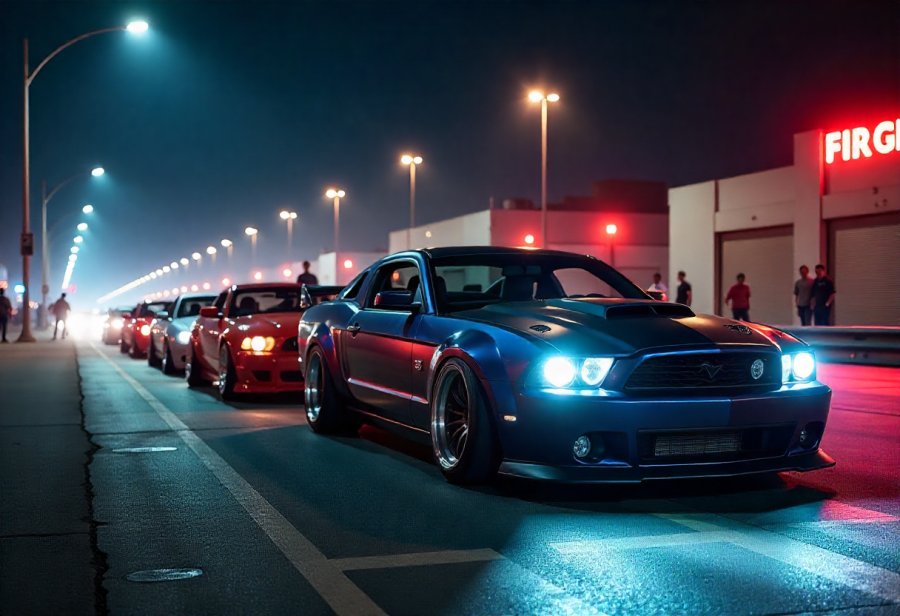
Underground Street Racing: A Culture of Rebellion, Brotherhood, and Loyalty
Underground street racing is a scene that pulses with raw energy and a sense of rebellion. It happens in hidden spots around cities—deserted backstreets, empty parking lots, or abandoned industrial zones—where racers can push their cars to the limit without drawing unwanted attention. This world thrives on secrecy, where the thrill of speed mixes with the adrenaline of doing something outlawed. But what truly sets this scene apart isn’t just the cars; it’s the culture built around them—one rooted in brotherhood, loyalty, and shared defiance against the mainstream.
At its core, underground racing is about more than bragging rights. It’s about craftsmanship and community. Drivers spend hours tuning and customizing their cars, turning everyday vehicles into high-performance machines. These efforts foster a deep sense of pride and identity, especially within tight-knit crews that often feel more like families. The shared knowledge, late-night tuning sessions, and collective celebrations of victories forge bonds that go beyond the race itself.
The roots of this culture stretch back decades, to a time when young enthusiasts would gather informally after dark to test their cars on quiet city streets. These spontaneous meetups grew into organized crews, each with their own codes and rituals to stay hidden from law enforcement. Films like “The Fast and the Furious” helped popularize these themes of loyalty and brotherhood, turning street racing into a symbol of urban rebellion and individual pride.
Today, technology has transformed the scene. Modern racers use digital tuning tools, encrypted messaging, and secret online groups to organize discreet races and coordinate meetups. This innovation allows them to stay one step ahead of authorities, preserving the clandestine nature of their gatherings. Despite ongoing risks, the core of loyalty and community remains strong, keeping underground racing alive and fiercely independent.
In essence, underground street racing isn’t just about speed—it’s about finding belonging in a world that can feel isolating. The bonds formed through late-night races, shared secrets, and mutual trust create a sense of family that endures beyond the streets. These connections turn fleeting moments of adrenaline into lifelong relationships, making the scene much more than just a pastime—it’s a culture rooted in resilience, craftsmanship, and brotherhood.
Origins of the Street Racing Brotherhood: From Spontaneous Rides to Organized Crews
The roots of street racing culture stretch back to the 1960s and ’70s, when young car enthusiasts began gathering informally after hours to see how fast their vehicles could go on quiet city streets. These early meetups weren’t organized events but spontaneous rides driven by a desire to push limits, stand out, and prove themselves. Drivers would line up modified cars, challenge friends, and race solely for the thrill of speed and recognition. It was a scene fueled by youthful rebellion, pride in craftsmanship, and a shared love for adrenaline-fueled competition.
Over time, these casual gatherings evolved into more organized crews, each developing their own codes, signals, and routines to stay hidden from law enforcement. As street racing was illegal and risky, secrecy became essential. These crews formed tight-knit communities rooted in shared identity, trust, and craftsmanship—creating bonds that extended far beyond the race itself. They established secret meeting spots, specific car modifications, and rituals that reinforced their collective culture.
Films like “The Fast and the Furious” in the early 2000s played a major role in glamorizing this underground scene. They celebrated loyalty, brotherhood, and urban rebellion, inspiring a new generation to see street racing not just as a pastime but as a symbol of identity and defiance. This cultural shift helped transform local scenes into larger movements, giving racers a sense of belonging to something bigger than themselves.
As the scene grew, so did its rituals and traditions. Racers formed crews that became surrogate families, supporting each other through setbacks and celebrating wins together. Late-night tuning sessions, secret meetups, and shared secrets reinforced loyalty and trust. These routines and shared practices transformed racing from isolated acts into shared traditions, strengthening the bonds within each group.
Digital communication further deepened these connections. Encrypted messaging apps and private online forums allowed crews to coordinate clandestine races and meetings without risking exposure. This technological edge helped the scene adapt and flourish despite increased law enforcement efforts, making secrecy a core part of their identity. It also fostered a heightened sense of trust, where members relied on each other to keep the culture alive.
Regional differences shaped the evolution of street racing brotherhood. West Coast crews, especially in Los Angeles, emphasized sleek, high-performance cars and urban aesthetics inspired by Hollywood. East Coast groups, like those in New York City, favored rugged, tactical modifications suited for tight city streets. Despite these variations, the core principles of loyalty, craftsmanship, and community remained consistent across regions.
Through decades of evolution, the underground street racing scene has maintained its rebellious spirit and sense of brotherhood. The bonds formed—based on shared passion, trust, and resilience—continue to drive its culture forward. Even as legal crackdowns and societal criticism persist, the deep-rooted loyalty and community spirit ensure that underground racing remains a powerful, enduring part of urban culture.
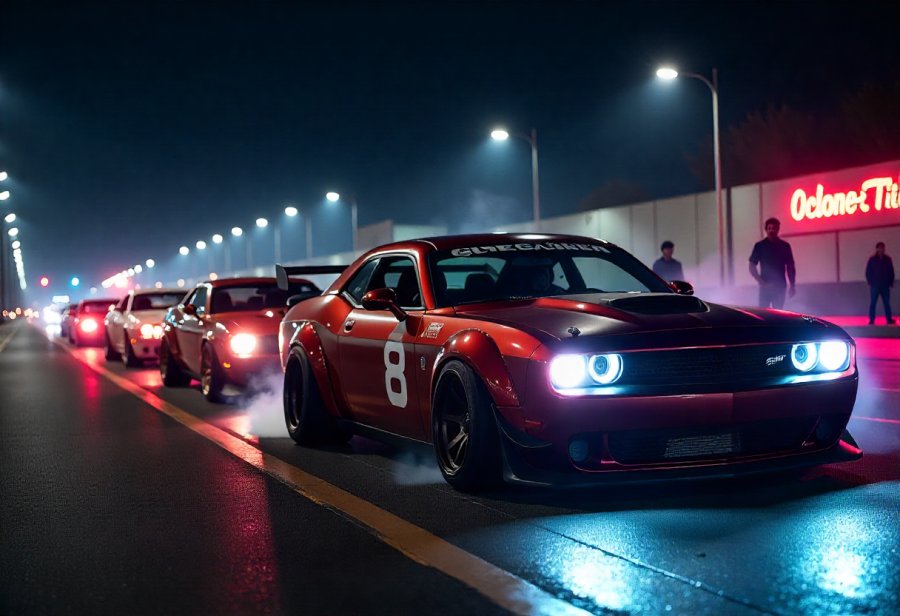
The Modern Scene: Technology, Perception, and Evolution of Underground Racing
Today, underground street racing has become more sophisticated and organized, even while largely remaining in the shadows. Modern racers rely heavily on digital tuning systems, lightweight performance parts, and stealthy exhaust setups to maximize their cars’ power without attracting unwanted attention. These modifications allow them to push their vehicles to the limit while staying under the radar, demonstrating how technology has become a crucial tool for maintaining secrecy and gaining an edge.
Organizing races now depends on encrypted messaging apps and private online groups. These platforms enable crews to coordinate secret meetups in remote locations, like abandoned warehouses or quiet industrial zones, without revealing details that could expose them. This digital connectivity keeps the scene adaptable and resilient, even as law enforcement increases surveillance efforts. The scene’s ability to evolve with technology makes it harder to pin down, but the core values of trust and brotherhood remain intact.
Public perception of street racing remains divided. Many see it as a form of urban art—an expression of identity, craftsmanship, and rebellion that keeps the spirit of speed alive. Others view it as dangerous and disruptive, citing safety risks and community concerns. Authorities respond with increased patrols, surveillance cameras, and sting operations, often leading to impounded cars and criminal charges. Despite this, many racers see their activity as a vital part of their identity and a way to challenge societal norms.
Regional differences continue to shape the scene’s character. West Coast crews, especially in Los Angeles, emphasize sleek, high-performance cars inspired by Hollywood aesthetics, focusing on innovation and urban style. Meanwhile, East Coast groups, like those in New York City, favor rugged, tactical modifications suited for tight city streets. Yet, regardless of these variations, loyalty, craftsmanship, and community bonds remain central across all regions, reinforcing a shared sense of brotherhood.
Technology has introduced new challenges and opportunities, especially with the rise of electric and hybrid vehicles. These cars require different tuning techniques but also attract a new generation eager to combine speed with sustainability. Online tools and encrypted communication continue to foster trust and coordination, deepening the bonds that define the brotherhood. Despite the evolving landscape, the desire for connection, adrenaline, and rebellion remains the driving force.
Legal crackdowns and safety concerns have pushed underground racing further into secrecy. Some activities may shift into semi-legal or safer settings, where the camaraderie and spirit of competition can still thrive without the extreme risks. The core motivation—speed, loyalty, and community—remains unchanged, ensuring that the culture persists even as it adapts to new realities. The underground scene’s resilience shows that, beneath the risks, the bonds formed through shared passion keep this brotherhood alive.
The Heart of the Brotherhood: How Street Racing Bonds Forge Identity and Community
Street racing brotherhood goes far beyond high-speed competition; it shapes personal identities and creates a powerful sense of community that extends well beyond the streets. For many, their crew becomes more than just a team—it’s a second family built on loyalty, trust, and shared purpose. These bonds are forged through late-night tuning sessions, secret meetups, and the collective effort to push limits together, making each member feel connected in a way that’s rare in other social circles.
The sense of family within underground racing isn’t just about shared interests; it’s about shared experiences and mutual reliance. Racers spend hours working on cars side by side, exchanging parts, and celebrating victories as a team. These routines—whether a midnight tune-up or a pre-race ritual—reinforce loyalty and deepen trust. Over time, these traditions become symbols of unity, embedding a collective identity rooted in craftsmanship, resilience, and unwavering support.
Trust and loyalty are the backbone of this culture. Each member depends on others to keep secrets that could jeopardize the entire crew if revealed. They develop unspoken codes—respect for safety, confidentiality, and mutual care—that create a safe space within a risky environment. This mutual reliance turns a group of enthusiasts into a tight-knit brotherhood, where each person’s well-being is intertwined with the others’. It’s a bond that fosters resilience even in the face of societal disapproval or legal threats.
These relationships influence how racers see themselves and how they are perceived by their communities. Their dedication to craftsmanship, loyalty, and resilience often earns respect from outsiders, even if their activities are illegal. Their identity as part of an underground family fuels urban pride and a rebellious spirit—an assertion of individuality and defiance that reinforces their resilience. This sense of belonging becomes a source of strength that extends beyond the racing scene into their personal lives.
Shared rituals and traditions further solidify these bonds. Regular gatherings, secret meetups, and superstitions before races aren’t mere routines; they are acts of reaffirmation—small gestures that symbolize collective purpose. These practices, repeated over time, weave a fabric of tradition that sustains the brotherhood, providing stability amid chaos. They turn fleeting moments of adrenaline into lifelong connections rooted in loyalty and shared values.
This loyalty shapes more than just the racing community; it influences how members navigate their worlds. Their commitment to craftsmanship and brotherhood often translates into resilience in everyday life, fostering a sense of pride and purpose. The bonds forged through speed and secrecy become a foundation for personal strength, guiding members through challenges and setbacks with unwavering support.
Ultimately, underground street racing creates a culture where loyalty and brotherhood are as vital as the cars themselves. These relationships forge identities rooted in resilience, craftsmanship, and shared defiance. They serve as a refuge—a space where individuals find belonging amid chaos, turning fleeting moments of speed into enduring connections. This culture’s strength lies in its ability to forge bonds that run deeper than asphalt, bonds that keep the brotherhood alive across generations.
Looking Ahead: The Future of Underground Racing and Its Unbreakable Bonds
The future of underground street racing and its brotherhood remains both resilient and unpredictable. As technology advances rapidly, racers are finding innovative ways to stay connected and reinforce their bonds. Digital tools like encrypted messaging apps and private online forums make organizing clandestine races easier and safer, allowing crews to operate discreetly while maintaining the core values of trust and loyalty. This digital evolution helps preserve the sense of brotherhood, even as activities become more secretive and complex.
Despite ongoing legal crackdowns and safety concerns, the deep-rooted desire for connection and adrenaline shows little sign of fading. Instead, these values are adapting—perhaps moving into semi-legal events or online spaces that balance risk with responsibility. The community’s resilience demonstrates that loyalty, craftsmanship, and rebellion remain central, fueling the scene’s enduring spirit across generations.
Emerging technologies, particularly electric and hybrid vehicles, are beginning to influence modifications and attract new enthusiasts eager to combine performance with sustainability. These innovations push boundaries, offering fresh avenues for customization while reaffirming the importance of skill, resilience, and shared purpose. The core principles of brotherhood—trust, craftsmanship, and loyalty—continue to anchor the scene, even as the vehicles and techniques evolve.
Society’s increasing focus on safety and legality might lead underground racing into more covert or semi-legal settings, where camaraderie and competition can thrive without extreme risks. These environments could foster the same bonds of loyalty and shared purpose, just in safer contexts. The desire to belong, to push limits, and to challenge norms remains a powerful force that keeps the culture alive and adaptable.
What’s clear is that the bonds formed through speed and secrecy extend far beyond the streets. These relationships often influence personal lives, providing a foundation of resilience and pride that persists in the face of societal pressures. As new generations step into the scene, they bring fresh ideas and innovations, but the essence of brotherhood—trust, loyalty, and shared purpose—remains unchanged.
The scene’s ability to adapt while holding onto its core values suggests it will continue to thrive, even in shifting environments. Responsible practices, community engagement, and safer forms of gathering could help preserve the cultural significance of underground racing for years to come. The unbreakable bonds built on speed, craftsmanship, and rebellion are too vital to fade away—they will likely evolve but never disappear.
In the end, the enduring strength of underground street racing lies in its capacity to forge lasting connections amid chaos. The culture’s resilience proves that, beyond the thrill of the race, it’s the brotherhood—built on loyalty, trust, and shared purpose—that keeps this high-octane world alive. As long as there are those who crave speed and community, this underground brotherhood will persist, daring to defy norms and redefine urban rebellion for new generations.



