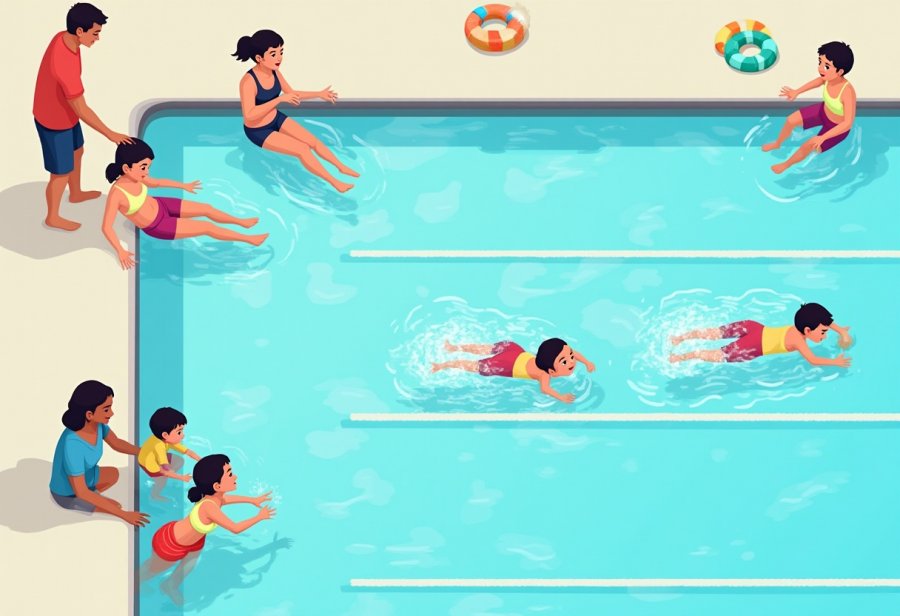
Transform Water Fears into Lifelong Confidence and Joy
What if the greatest obstacle to learning to swim at any age isn’t skill but the courage to take that first step? This inspiring exploration reveals how water fears—rooted in childhood trauma or unfamiliarity—can be gradually overcome through targeted techniques and supportive instruction. It’s not just about mastering strokes but transforming mindset, turning water from a source of anxiety into a realm of confidence and joy. The journey emphasizes small victories, patience, and mental resilience, showing that confidence builds as fears diminish. Beyond personal growth, conquering water fears enhances safety, broadens recreational opportunities, and fosters community bonds. Why let fear hold you back when, with gentle guidance and persistence, the water can become a space of trust and adventure? This transformation from dread to freedom is accessible at any age, promising a lifetime of empowerment that extends well beyond the pool.
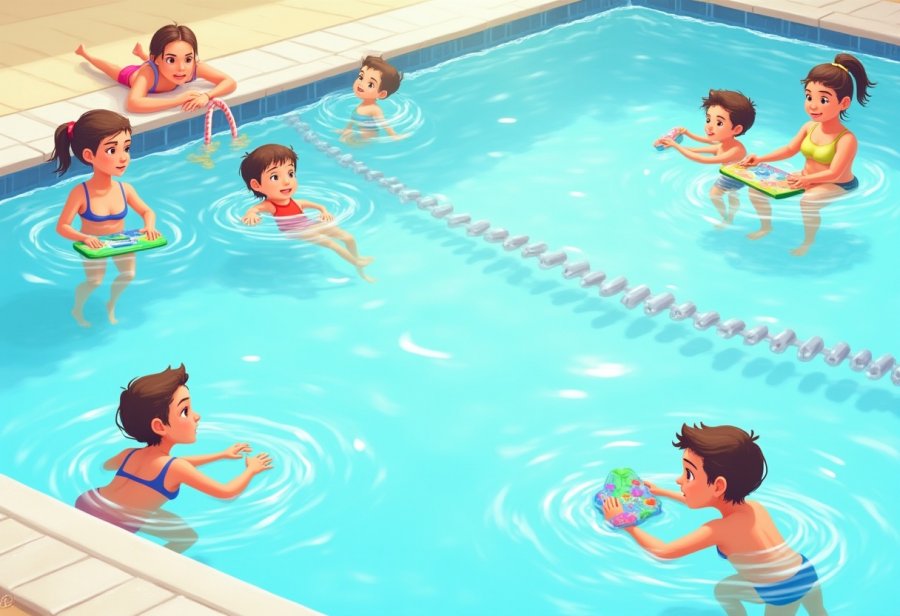
Overcoming Water Fears at Any Age: Your Transformative Journey Begins
Learning to swim at any age can be a truly transformative experience, especially for those who have long wrestled with water fears. Many people carry mental barriers that make stepping into a pool feel daunting, even insurmountable. Yet, that first splash or tentative movement in the water often sparks a journey toward confidence and independence. It’s not just about mastering strokes; it’s about breaking mental blocks and starting a new, trusting relationship with water.
This process is deeply personal. For some, water fears originate from childhood incidents or negative experiences that left a lasting impression. For others, discomfort or unfamiliarity with water creates anxiety. Regardless of the roots, facing these fears head-on can lead to a sense of achievement that stays with you long after you leave the pool. Learning to swim isn’t solely about physical skills—it’s about reshaping your mindset and emotional connection to water.
What makes learning to swim at any age so powerful is how accessible it is. You don’t need to be young or naturally comfortable in water to start. With patience, support, and the right techniques, many adults transform anxiety into confidence. Beginning in shallow water, taking small steps, and gradually progressing deeper makes the process manageable and rewarding. Every small success, whether floating on your back or taking a few strokes, proves that fears can be overcome.
The initial step into the water is often the hardest. Overcoming mental barriers—such as fear of drowning or feeling out of control—requires gentle support and encouragement. Supportive instruction and slow exposure help make this first phase less intimidating. As familiarity and trust grow, water begins to feel less like a threat and more like a safe space, empowering you to take the next step.
This journey is about more than skills; it’s about transforming your perception. As confidence builds, water transitions from a source of fear to a realm of possibility. Many find that mastery of basic movements leads to a mental shift—what once seemed scary now feels manageable. Every small victory reinforces this change, showing that fears are not fixed but can be gradually diminished through patience and persistence.
Support from instructors and loved ones plays a vital role. A calm, encouraging presence makes facing challenging moments easier and fosters resilience. When learners feel safe and supported, they’re more willing to explore and push beyond their comfort zones. This emotional security accelerates confidence-building and makes the journey from fear to enjoyment smoother and more rewarding.
In the end, learning to swim isn’t just about technical ability—it’s a personal transformation. It is about turning water from a source of anxiety into a space of trust and joy. Taking that first courageous step can open the door to a lifelong relationship with water, filled with safety, freedom, and new experiences. It’s a journey worth starting at any age, with the promise that, with patience and support, fears can become confidence.
Understanding Water Fears and Motivation: Confronting Anxiety with Empathy
Many people develop water fears based on early experiences or simply a lack of familiarity with water. These fears often stem from feelings of losing control, the danger of drowning, or discomfort when submerged or in deep water. A childhood incident like a near-drowning or witnessing water accidents can leave a lasting impression that’s hard to shake. Similarly, frightening stories or intense media portrayals can amplify the perception that water is inherently dangerous, deepening anxiety over time.
These fears activate the body’s natural fight-or-flight response. When faced with water, the heart races, muscles tense, and breathing quickens—signs that the body perceives danger. Such reactions can become ingrained, making even approaching water feel overwhelming. Many adults carry this heightened awareness, which often reinforces avoidance rather than confrontation. That’s why gradual exposure and supportive environments are essential—they help desensitize both the mind and body, reducing the instinct to panic.
Familiarity plays a crucial role in overcoming water fears. When water feels unpredictable or unfamiliar, anxiety spikes. Conversely, slowly getting used to water through gentle, controlled interactions can diminish these fears significantly. Starting in shallow areas, practicing breathing, and taking small steps help create positive associations. These experiences build trust and lessen the perception of water as a threat, making each new skill feel more attainable.
The motivation to conquer water fears often comes from a desire for safety, independence, or simply the wish to enjoy water-based activities. Many adults want to swim comfortably at the beach, pool, or lake but feel held back by their anxieties. Recognizing that these fears are common and understandable can be empowering. It shifts the focus from personal weakness to a shared human experience, making the journey toward water confidence feel more accessible and less isolating.
For many, water fears are deeply rooted in childhood memories or negative experiences that linger into adulthood. These emotional associations can make the idea of entering water intimidating. Yet, with patience, proper guidance, and consistent practice, these associations can be gradually rewired. Learning to manage physiological reactions through relaxation techniques and mental strategies turns water from a perceived danger into a space of trust and potential.
Ultimately, overcoming water fears is a process of gentle exposure, patience, and mindset shifts. It’s about replacing anxiety with confidence, one small step at a time. When fear is addressed thoughtfully, water transitions from being a source of dread to an environment of joy and freedom. Recognizing and respecting these fears allows learners of all ages to embark on a journey where water becomes a safe, welcoming space for growth and exploration.
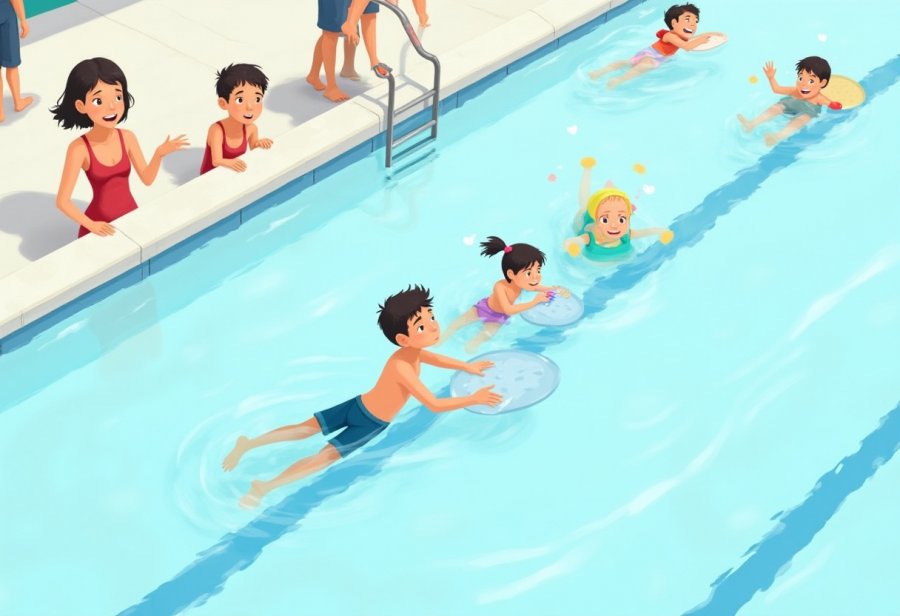
The Water Confidence Journey: From First Splash to Swimming Mastery
Building water confidence is a gradual process that transforms initial fears into a sense of mastery. It begins with simple activities like splashing in shallow water or holding onto the pool edge, which help both body and mind get used to being in water. These small steps lay the groundwork for trust and comfort, giving learners a sense of control over their environment. As confidence grows, they can move on to floating, gliding, and gentle strokes, each success boosting their belief in their abilities. Consistent practice paired with positive encouragement makes progress feel tangible and keeps motivation high.
For many, the journey starts with just stepping into the water for the first time. This initial moment can be intimidating, but with support from a patient instructor or a trusted guide, it becomes more manageable. Creating a calm environment where learners are encouraged to take their time allows them to celebrate small victories—like getting their face wet or floating on their back—without feeling overwhelmed. These victories accumulate, gradually replacing fear with familiarity and trust in their own capabilities.
As confidence builds, the focus naturally shifts toward exploring deeper water, but only after establishing a solid base in shallow areas. This staged approach prevents feelings of helplessness and cultivates a sense of control. Each new skill—whether blowing bubbles, kicking, or swimming short distances—reinforces trust in their physical abilities and diminishes the perception of water as a threat. Techniques like breathing exercises, relaxation methods, and visualization are often used to help calm nerves and foster positive mental associations with water.
This process isn’t solely about physical skills; it’s about changing perceptions. Many find that as they master basic movements, their attitude toward water shifts from fear to curiosity and enjoyment. This mental transformation is empowering, proving that water fears are not fixed but can be overcome with patience and persistence. Celebrating small successes along the way helps reinforce this belief, making the journey feel achievable rather than daunting.
Support from instructors and loved ones is crucial. A calm, encouraging presence makes facing challenging moments easier and helps build resilience. When learners feel safe and supported, they’re more willing to take risks and explore new skills. This emotional security accelerates confidence-building, making the transition from fear to enjoyment smoother and more rewarding. Over time, water ceases to be a source of anxiety and becomes a space of trust and freedom.
The key is patience. Progress may be slow, and setbacks are part of the process. If confidence wavers, revisiting earlier, easier activities can help regain a sense of control. Recognizing that mastery takes time fosters resilience and keeps motivation alive. Every small step forward proves that fears can be overcome, one splash at a time.
The journey from fear to confidence in water is about building a positive relationship—trusting your body, your surroundings, and your ability to learn. Each milestone, whether floating unaided or swimming a short distance, marks a turning point. It’s a reminder that overcoming initial fears isn’t just about technical mastery but about reshaping your mindset. With patience, support, and persistence, water transforms from a source of dread into a realm of opportunity and joy.
Strategies for Success: Mindset Shifts and Techniques to Conquer Water Fears
Overcoming water fears and learning to swim go beyond practicing strokes; they fundamentally require a shift in mindset. Developing patience and maintaining a positive outlook can make all the difference. Progress might be slow, and setbacks are natural, but viewing each obstacle as a step forward keeps motivation alive. Embracing a growth mindset—that effort leads to improvement—helps learners see difficulties as opportunities rather than failures. Focusing on small, achievable goals builds confidence with every success, creating momentum for the next step.
Visualization and mental rehearsal are powerful tools in this journey. Before stepping into the water, imagine yourself floating calmly or swimming with ease. These mental images reinforce positive expectations and help calm nerves. Deep, controlled breathing exercises also play a vital role—they signal to your body that it’s safe and help you stay centered when anxiety or panic threaten to take over. By practicing these techniques regularly, you cultivate a calmer, more resilient mental state.
Support from experienced instructors and encouraging friends or family members is crucial. A calm, patient guide creates a safe space where fears are acknowledged without judgment. When learners feel supported and understood, they’re more willing to face their anxieties and explore new skills. Celebrating small victories—like getting your face wet or floating unaided—reinforces progress and fosters a sense of achievement. This positive reinforcement helps restructure your perception of water from something threatening to a realm of possibility.
Breaking the learning process into manageable steps helps prevent overwhelm. Instead of rushing into deep water, focus on mastering basic comfort in shallow areas first. Each success—whether it’s blowing bubbles, floating, or short swims—builds trust in your abilities and diminishes fear. Patience is key; rushing can reinforce anxiety and slow progress. Consistent, gentle practice, combined with encouragement, makes each milestone feel attainable rather than intimidating.
View setbacks as a natural part of learning. If confidence wavers or progress stalls, revisit earlier, easier activities to regain a sense of control. Recognize that mastery takes time and persistence. Each small effort, no matter how slow, leads to growth. Maintaining resilience and a positive attitude keeps the journey moving forward, transforming water from a source of dread into a space of trust and enjoyment.
Creating a supportive environment is essential. A calm, encouraging presence from instructors and loved ones helps learners feel safe and motivated. When learners know they won’t be judged, they’re more willing to take risks and push their boundaries. This emotional security accelerates confidence-building, making the path from fear to fun smoother and more rewarding.
Finally, remember that patience and persistence are your best allies. Progress may be gradual, but every small step is a victory. Celebrate these moments—they prove fears can be overcome with effort and support. Over time, water ceases to be an obstacle, becoming instead a place of confidence, freedom, and joy. This mindset shift is what turns a daunting challenge into an empowering journey of lifelong learning.
Real-World Impact: How Overcoming Water Fears Enhances Life and Self-Confidence
Overcoming water fears can significantly change how you experience daily life. When you feel confident in the water, safety becomes second nature, and worries about drowning or accidents fade away. This newfound assurance opens up opportunities to enjoy water activities—whether at the beach, pool, or lake—that once seemed out of reach. Suddenly, family outings or social gatherings near water become moments of fun and connection rather than sources of anxiety.
Learning to swim and conquering those initial fears boosts self-esteem in ways that ripple beyond the pool. Many adults who once believed they couldn’t swim discover a sense of achievement that fuels their confidence in other areas of life. This sense of empowerment encourages a more active lifestyle, inspiring pursuits like snorkeling, paddleboarding, or water aerobics. Each new skill gained reinforces the idea that growth is possible at any age, turning water from an obstacle into an avenue for adventure.
Beyond personal growth, mastering water safety has a profound impact on loved ones. When you know how to swim, you’re better equipped to supervise children, prevent accidents, and promote water awareness in your community. This collective safety mindset reduces risks and creates a safer environment for everyone. Your confidence can serve as a model for others, inspiring them to overcome their own fears and embrace water with respect and joy.
The psychological benefits extend deep into your overall well-being. Facing and overcoming water fears builds resilience—teaching patience, persistence, and the power of gradual progress. Many find that their ability to handle water-related challenges translates into a more positive outlook on life, helping them navigate stress and uncertainty with a calmer mindset. Each small victory in the water becomes a symbol of personal strength and resilience.
As fears diminish and water becomes a space of trust, a desire to explore grows. You might find yourself seeking out new water activities, from swimming in open water to trying water sports, broadening your horizons and enriching your life. This sense of freedom and possibility transforms water from a source of dread into a realm of enjoyment and self-discovery.
The impact of learning to swim extends to relationships, too. Sharing water experiences with family or friends creates bonds rooted in shared achievement and new adventures. Watching loved ones overcome their fears can inspire mutual encouragement, fostering a supportive environment where everyone feels capable and motivated. These moments often become cherished memories that strengthen bonds and promote a sense of community.
Most importantly, overcoming water fears instills a lifelong sense of confidence. Knowing you can handle water safely gives you the freedom to pursue outdoor recreation and leisure activities without hesitation. It’s an empowering shift that encourages ongoing growth and exploration, enriching your personal journey well beyond the pool.
In the end, transforming fear into confidence in water isn’t just about mastering a skill—it’s about opening the door to a more active, secure, and joyful life. The benefits ripple outward, touching your emotional health, safety, relationships, and overall happiness. Embracing this journey can lead to a lifetime of positive experiences, reminding you that no obstacle is too great when approached with patience, support, and a willingness to take that first courageous step.