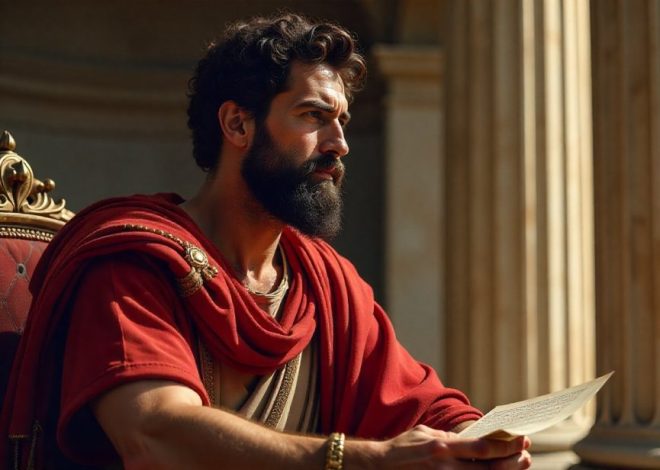
Discover the Timeless Power of Resilience and True Heroism
What do ancient Greek hero Odysseus and modern-day vigilante Batman reveal about the true essence of heroism? Despite their vastly different worlds—one navigating divine challenges, the other battling urban chaos—both exemplify resilience, wit, and unwavering purpose. Odysseus’s strategic cunning and loyalty contrast sharply with Batman’s internal struggles and moral conviction, yet both highlight that heroism isn’t about superpowers but perseverance and intelligence. Their contrasting motivations—Odysseus seeking peace and duty, Batman driven by justice and inner demons—offer a compelling lens to explore how cultural values shape our ideals of strength and resilience. As these stories mirror societal virtues across eras, they inspire us to reflect on our own motivations and the hero traits we can cultivate daily. In an evolving world, understanding what truly makes a hero—courage, sacrifice, purpose—remains timeless, urging us to face life’s challenges with resilience and resolve.
Discovering True Heroism Through Odysseus and Batman
Heroism has fascinated us for centuries, constantly evolving across different cultures and eras. It reflects the values and ideals that societies hold dear, shaping stories that inspire, warn, and define us. Comparing legendary figures like Odysseus from ancient Greece and Batman from modern comics offers a fresh lens to explore what truly makes someone a hero—and what stays consistent over time.
Odysseus’s heroism is rooted in loyalty, resilience, and cleverness. His epic journey home, filled with mythical monsters, divine challenges, and temptations, showcases not only physical endurance but also strategic thinking. His primary goal is to return to his family and reclaim his throne, making his quest deeply personal. In contrast, Batman operates in a dark, gritty city, driven by a sense of justice and personal trauma. His motivation stems from the tragic loss of his parents, fueling a relentless pursuit of protecting Gotham from chaos.
Despite their vastly different worlds, both heroes exemplify perseverance. Odysseus’s wit and endurance help him outsmart gods and monsters, demonstrating that mental agility is just as vital as physical strength. Batman’s resilience in confronting inner demons and external threats highlights that heroism often involves moral strength and unwavering determination. Their stories reveal that heroism isn’t about having superpowers or brute force but about perseverance, cleverness, and purpose.
Looking deeper, their contrasting motivations reveal what drives true heroism. Odysseus’s longing for peace and stability keeps him focused on returning home, emphasizing patience and strategic planning. Batman’s relentless fight against crime is fueled by a moral duty to serve others, confronting chaos and his own darkness. These different aims reflect distinct approaches to heroism—one seeking harmony, the other battling disorder—yet both are rooted in a deep sense of purpose.
Their stories also show how cultural context shapes heroism. Ancient Greece valued cunning and endurance, qualities Odysseus embodies through his epic odyssey. Modern Western culture emphasizes justice and inner resilience, as seen in Batman’s battles. While their motivations differ, both figures highlight universal themes—resilience, wit, and sacrifice—that resonate across time and societies.
Reflecting on their journeys encourages us to consider our own motivations. What drives us to face challenges? Are we guided by loyalty, justice, or a desire to protect loved ones? Their stories serve as mirrors, prompting us to think about what it truly means to be a hero. Though we may not face mythical monsters or Gotham villains, the qualities of resilience, wit, and purpose are accessible to anyone willing to embrace them.
Ancient Cunning Meets Modern Justice: Contexts of Heroism
Odysseus and Batman come from worlds that couldn’t be more different, yet both serve as powerful symbols of heroism within their respective cultures. Odysseus, the legendary Greek hero from Homer’s epic, embodies the Greek ideals of cunning, bravery, and resilience. His story is set against the backdrop of ancient Greece, a society that celebrated valor and cleverness as key virtues. Homer’s Odyssey depicts him navigating treacherous waters, battling mythical monsters, and outwitting divine forces—each challenge highlighting strategic thinking and endurance. His primary goal is to return home and reclaim his throne, reflecting the Greek values of loyalty, honor, and perseverance.
Fast forward to a much later time, and Batman emerges in the gritty urban landscape of Gotham City. Created in the 20th century, Batman’s heroism is shaped by modern concerns about crime, morality, and internal struggle. Unlike Odysseus, who relies on wit and endurance, Batman’s strength lies in intellect, detective skills, and advanced technology. His origin story revolves around the tragic loss of his parents, fueling his relentless fight against Gotham’s villains. Batman’s resilience isn’t just physical; it’s deeply psychological, as he battles guilt, fear, and the darkness within himself while striving to bring order to chaos.
Both figures mirror the societal values of their eras. In ancient Greece, heroism was linked to cunning and endurance—traits exemplified by Odysseus’s epic journey through divine and mythical perils. His heroism centers on outsmarting foes and enduring hardships, qualities that were highly prized in Greek culture. Conversely, modern Western culture emphasizes justice, inner resilience, and moral clarity. Batman’s fight against crime reflects these values, emphasizing moral conviction and psychological strength in confronting a corrupt world.
Their stories also reveal how heroism is shaped by cultural context. Odysseus’s heroism is rooted in loyalty, endurance, and strategic thinking—traits that resonated with a society that admired divine favor and mortal cunning. Batman’s heroism, on the other hand, is driven by inner strength, moral duty, and confronting personal demons—values that align with contemporary ideals of psychological resilience and social justice. Despite these differences, both heroes exemplify perseverance and purpose as core virtues, demonstrating that heroism adapts to societal needs while maintaining universal themes.
Understanding these backgrounds deepens our appreciation for what it means to be a hero across different eras. Odysseus’s journey was about navigating divine and earthly challenges to restore his identity and honor. Batman’s fight involves moral integrity and internal resilience amid modern chaos. Both stories highlight how heroism evolves, yet certain qualities—like cleverness, resilience, and sacrifice—remain timeless. Their narratives serve as a reminder that heroism is as much about inner virtues as external actions.
Recognizing the cultural differences in their stories enriches our view of heroism’s broader significance. Odysseus’s epic reflects a society that celebrated cunning and endurance as pathways to greatness, while Batman’s saga underscores inner strength and moral resolve. Both serve as archetypes that inspire us to reflect on our own motivations and virtues. As cultures continue to evolve, so too will the stories of heroism, but the core traits of resilience, wit, and purpose will remain central to what it means to be a hero.
Finally, these stories challenge us to see heroism not just in legendary figures but in ourselves. Both Odysseus and Batman remind us that facing adversity with intelligence and perseverance can lead to extraordinary outcomes. Their backgrounds underscore that heroism is a reflection of societal values—adaptable, enduring, and universally relevant. As we confront our own challenges, their stories inspire us to cultivate resilience and purpose, making heroism a personal journey as much as a cultural ideal.
Loyalty versus Justice: The Contrasting Motivations of Odysseus and Batman
Odysseus’s motivation is rooted in a profound personal longing: to return home and restore his place as ruler of Ithaca. His journey is driven by loyalty to his family and a deep sense of duty to reclaim his throne, fueling his resilience despite the many dangers he faces. Each obstacle—mythical monsters, divine tests, treacherous waters—only strengthens his resolve to reach his homeland. His quest is not merely about survival but about preserving his honor and identity, making his perseverance a reflection of his inner commitment to his roots and responsibilities.
In contrast, Batman’s motivation extends beyond personal ties. His relentless pursuit of justice is shaped by a tragic childhood loss—the death of his parents—which motivates his crusade against Gotham’s criminals. Unlike Odysseus, who seeks peace and stability, Batman thrives amid conflict, channeling his pain into a moral mission to protect others. His resilience is fueled by internal struggles: guilt, fear, and the darkness within himself. This internal battle keeps him vigilant and unwavering, emphasizing that heroism often involves confronting and conquering one’s own demons as much as external enemies.
While Odysseus embodies patience and strategic cunning—using his intelligence to outwit divine and mortal foes—Batman’s heroism revolves around moral conviction and inner strength. Odysseus’s goal is to return to his family and restore order, emphasizing perseverance rooted in loyalty and duty. Batman, meanwhile, operates in a constant fight against chaos, driven by a sense of moral obligation and a desire to prevent others from suffering as he did. Both are relentless, but their core motivations highlight different facets of heroism: one rooted in duty, the other in justice and inner resilience.
Their contrasting motivations reveal different views on what it means to be a hero. Odysseus’s journey underscores resilience driven by loyalty and the pursuit of peace—qualities that emphasize endurance and strategic thinking. Batman’s relentless fight against Gotham’s darkness showcases heroism based on moral conviction, internal resilience, and a willingness to confront personal trauma. These differences reflect how cultural values shape hero archetypes—ancient Greece celebrating cunning and endurance, modern narratives emphasizing justice and psychological strength—yet both highlight the vital role of purpose in heroic life.
Ultimately, their stories remind us that heroism isn’t a one-size-fits-all concept. It can be driven by loyalty, justice, or internal resolve—sometimes all at once. What unites them is their unwavering determination to face adversity, whether external or internal, with wit and perseverance. Their contrasting motivations serve as mirrors for our own struggles and aspirations, illustrating that heroism is as much about inner conviction as it is about outward action. In their journeys, we find reflections of our own capacity for resilience, purpose, and the courage to keep going against all odds.
Applying Hero Traits in Everyday Life: Lessons of Resilience and Wit
Applying hero traits like resilience, wit, and determination in daily life can make a real difference, even without a cape or superpowers. When facing tough problems at work or in personal situations, adopting a problem-solving mindset—similar to Odysseus’s cleverness—helps you find creative solutions and stay calm under pressure. Breaking challenges into smaller, manageable steps keeps you moving forward, even when obstacles seem overwhelming. This approach turns daunting tasks into achievable goals, boosting your confidence with each small win.
Building mental toughness takes consistent effort. Setting small, achievable goals every day—whether tackling a difficult project or developing a new habit—gradually strengthens your resilience. When setbacks occur, instead of giving up, view them as opportunities to learn and grow. This mindset mirrors Batman’s resilience; persistence in the face of difficulty builds inner strength and confidence over time. Embracing setbacks as lessons transforms failures into stepping stones toward progress.
Sharpening wit and strategic thinking doesn’t require complex puzzles or games. Activities like playing strategy board games, solving puzzles, or brainstorming alternative solutions can boost your mental agility. The goal is to challenge yourself to think creatively and consider different perspectives—especially during stressful moments. This mental flexibility helps you navigate challenges with clarity and confidence, much like a hero facing adversity. Over time, these practices turn quick thinking into second nature.
Resilience isn’t only about mental toughness; it also involves emotional strength. When dealing with personal setbacks or difficult relationships, practicing self-awareness and reflection helps manage your emotions better. Staying calm and composed in chaos allows you to respond thoughtfully instead of impulsively. Recognizing your feelings and choosing your reactions makes resilience a practical tool for everyday life, empowering you to handle stress with grace and purpose.
Heroic qualities like sacrifice and commitment also inspire us to do more for others. Small acts of kindness, volunteering, or being present during tough times show courage and compassion. These everyday acts of heroism strengthen communities and remind us that heroism isn’t always about grand gestures but about consistent, caring actions. Small sacrifices and efforts create meaningful change, both for others and for your own sense of purpose. Cultivating these traits makes heroism accessible and achievable, turning daily life into a series of opportunities to make a difference.
Heroism’s Future: Cultivating Resilience and Purpose in a Changing World
Heroism and resilience are qualities that extend far beyond ancient myths and comic book pages; they shape our lives every day. Whether driven by loyalty, justice, or inner strength, these traits inspire us to confront adversity with courage and purpose. The stories of Odysseus and Batman remind us that heroism isn’t about supernatural powers but about the perseverance, cleverness, and inner resolve we cultivate through our choices. Their journeys show that resilience is a skill we can develop, and that even in the face of setbacks, staying committed to our goals makes all the difference.
As society evolves, so do our ideas of heroism. Odysseus’s relentless drive to return home reflects loyalty and endurance, qualities that resonate across generations. Batman’s fight against Gotham’s darkness emphasizes moral conviction and psychological resilience—traits vital in today’s complex world. Both figures highlight that heroism is fluid, adaptable to different contexts, yet rooted in universal virtues. Recognizing this allows us to see ourselves as potential heroes, capable of making meaningful change through everyday acts of courage and perseverance.
Looking ahead, exploring new stories and voices will deepen our understanding of what it means to be truly heroic. As cultures change, so do the narratives that define strength and virtue. Embracing a broader view of heroism—one that values inner resilience, moral clarity, and compassion—can inspire us to face our own challenges with renewed confidence. Every obstacle becomes an opportunity to practice hero traits, transforming ordinary moments into acts of bravery. This ongoing exploration keeps the spirit of heroism alive and relevant in a world that constantly demands resilience.
Developing resilience and wit isn’t about perfection or grand gestures; it’s about consistency and small, meaningful actions. Each challenge we face is a chance to grow stronger, wiser, and more committed. When setbacks occur, viewing them as lessons rather than failures helps us maintain momentum. Over time, these habits shape a resilient mindset—one that prepares us to handle future difficulties with grace and resolve. In this way, heroism becomes part of our everyday lives, accessible to anyone willing to embrace the journey.
In the end, heroism is a personal journey that extends into the fabric of our daily existence. It’s about choosing to face life’s struggles with courage, intelligence, and purpose. The stories of Odysseus and Batman serve as enduring reminders that resilience, wit, and determination are within each of us. By nurturing these qualities, we can build a more resilient, compassionate world—one small act at a time—and redefine what it means to be a hero in our own lives.