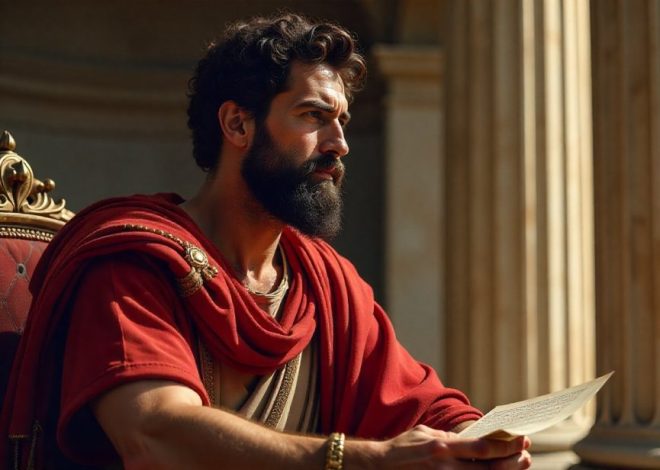
Timeless Wisdom: How Confucius Shapes Modern Society
Confucius’s timeless teachings on morality, respect, and education continue to serve as a moral compass in today’s chaotic world. His principles—centered on virtues like benevolence (*ren*), proper conduct (*li*), and filial piety (*xiao*)—offer a blueprint for cultivating personal integrity and fostering social harmony. Born amidst societal upheaval in 6th-century BCE China, Confucius envisioned a society rooted in virtue where leaders exemplify moral authority, inspiring trust and loyalty. His emphasis on education as a means of moral development remains relevant, influencing modern educational systems and leadership models. Yet, how can these ancient insights help navigate contemporary conflicts, social fragmentation, and rapid change? His teachings remain vital tools for conflict resolution, community building, and moral resilience. As his legacy persists through cultural practices and educational initiatives, one questions whether embracing these age-old virtues can foster a more respectful, cohesive society in an increasingly divided world.
Confucius’s Enduring Influence: A Timeless Blueprint for Society
Confucius is one of history’s most influential philosophers, whose ideas about morality, respect, and education continue to resonate today. His teachings provide a timeless blueprint for cultivating virtues that foster personal integrity and societal harmony. By exploring his legacy, we gain insight into how ancient wisdom can still guide us in building communities rooted in kindness, respect, and moral clarity.
Born in the 6th century BCE during a period of chaos and social upheaval, Confucius lived through a time when traditional values were breaking down. He witnessed firsthand a society torn apart by warfare and political instability, which fueled his desire to restore order through moral virtue. Despite the turbulent backdrop, he dedicated his life to promoting education, ethical leadership, and the cultivation of character as ways to rebuild social cohesion.
His teachings emphasize that personal virtue and societal harmony are interconnected. Confucius championed virtues like benevolence, respect for elders, and proper conduct—values that continue to influence cultural norms and social expectations today. His focus on education as a means of moral development underscores the belief that everyone can improve and contribute to a more just world through self-cultivation and learning.
The core of Confucian thought revolves around the idea that virtuous leaders inspire trust and loyalty, setting the moral tone for society. His emphasis on respect, responsibility, and integrity offers a practical guide for navigating modern social challenges. Whether in politics, business, or everyday interactions, these principles remain relevant, reminding us that moral clarity and kindness are vital for creating resilient, respectful communities.
Understanding Confucius’s significance today involves recognizing how his ideas continue to shape education systems, leadership models, and social practices worldwide. His teachings encourage us to act with sincerity, listen actively, and prioritize social harmony—values that are increasingly important in a fast-changing, interconnected world. His legacy reminds us that building a better society starts with individual virtues practiced daily.
Engaging with Confucius’s teachings isn’t about idealizing the past but applying age-old principles to modern life. His emphasis on kindness, respect, and moral responsibility offers a steady compass amid social complexity and rapid change. Embracing these virtues can help us foster trust, promote understanding, and create communities where everyone feels valued and respected. His wisdom continues to inspire a quest for moral clarity that’s as relevant today as it was over two millennia ago.
Chaotic Beginnings: Confucius’s Roots in the Spring and Autumn Era
Confucius lived during China’s Spring and Autumn period, roughly between 770 and 476 BCE, a time marked by political fragmentation and social upheaval. The region was divided into numerous small states, each vying for power, often engaging in constant warfare. This chaos undermined traditional values and eroded social cohesion, leaving many communities fragmented and unstable. Leaders frequently prioritized their own interests, neglecting moral responsibilities, which deepened societal disorder.
Born around 551 BCE in the small state of Lu, Confucius grew up amid this turbulent landscape. His family was part of the lower nobility, giving him access to education but also exposing him to social inequalities. From a young age, he was deeply curious about morality, justice, and how a society could be restored through proper conduct. Witnessing the decline of traditional values firsthand strengthened his resolve to find solutions rooted in virtue and moral leadership.
In this environment of instability, Confucius’s teachings emerged as a response to restore order and stability. He traveled across various states, seeking support for his ideas and sharing his vision of a society governed by moral principles. His focus was on virtues like filial piety, righteousness, and benevolence—values he believed could rebuild trust and social harmony amidst chaos. These ideas were not merely theoretical but aimed at practical reform, emphasizing that moral cultivation could reverse societal decline.
Throughout his career, Confucius emphasized education as a crucial tool for moral development. He believed that virtue was cultivated through learning, reflection, and self-discipline. His travels and teachings laid the groundwork for the core texts of Confucianism, such as the Analects, which compile his ideas on proper conduct and ethical leadership. His approach was pragmatic: by improving individuals’ morals, society as a whole could be stabilized and renewed.
His worldview was shaped by a blend of traditional Chinese values and his own innovations. Drawing inspiration from classical texts that stressed filial piety and harmony, he also acknowledged contrasting philosophies like Daoism and Legalism. Confucius’s core message was that societal order depended on individuals acting with integrity and respect, starting with personal virtue and extending to leaders and rulers. His emphasis on education and moral responsibility aimed to foster a society where virtue guided governance and daily life.
Ultimately, Confucius’s origins and the social chaos of his time deeply influenced his focus on virtue, tradition, and ethical leadership. His teachings responded directly to the disorder around him, offering a moral compass rooted in respect, proper conduct, and social responsibility. These principles remain relevant today, providing a timeless blueprint for navigating social upheaval and fostering harmony, even in the most challenging times.
Foundations of Virtue: Exploring Confucian Core Concepts
Confucian thought revolves around core virtues that serve as the foundation for ethical living and social harmony. Central to this is *ren*, often translated as benevolence or humaneness. *Ren* embodies kindness, compassion, and sincere regard for others, urging individuals to act with moral integrity in all their relationships. It’s not merely about doing good but about genuinely caring and fostering trust through authentic actions.
Alongside *ren* stands *li*, which refers to ritual propriety, manners, and appropriate conduct. Observing *li* means behaving with respect and decorum aligned with social roles and traditions. These customs are more than formalities; they are practical expressions of respect for elders, ancestors, and societal expectations, reinforcing bonds and maintaining order within communities.
Filial piety, or *xiao*, is another pillar of Confucian virtue. It emphasizes respecting, caring for, and honoring one’s parents and ancestors. This principle underpins family life and extends outward, shaping societal morals. Through filial piety, individuals learn responsibility, humility, and respect—values that foster social cohesion and moral development from the ground up.
These virtues are interconnected. *Ren* promotes kindness, *li* ensures proper social interactions, and *xiao* roots respect within family bonds. Together, they form a moral compass that guides both personal behavior and leadership. Confucius believed that cultivating these virtues within individuals would naturally lead to a harmonious society, where trust and mutual respect flourish.
Self-cultivation and moral education are vital in Confucian ethics. Virtue isn’t innate; it’s developed through deliberate effort—learning, reflection, and practice. Confucius championed education as a means to shape character, asserting that everyone has the potential to improve morally, regardless of background. This focus on continuous growth underscores the idea that societal well-being depends on the moral progress of its people.
Leaders play a special role in embodying these virtues. Confucius argued that virtuous rulers and officials set moral examples for others to follow. Their integrity and benevolence inspire trust and loyalty, which are essential for effective governance. When leaders act with righteousness and respect, they foster societal stability and peace, reinforcing the importance of virtue at every level of society.
In summary, Confucian ethics revolve around cultivating virtues that promote kindness, respect, and proper conduct. These principles serve as a moral foundation for personal growth and societal harmony. By practicing and embodying these virtues daily, individuals and leaders alike help build communities rooted in trust, integrity, and mutual understanding—values that remain as relevant today as they were thousands of years ago.
Modern Echoes: Applying Confucian Principles in Today’s World
Confucian principles continue to shape modern society in profound ways, especially in education, leadership, and community life. Many schools and universities in East Asia incorporate Confucian virtues alongside academic curricula, emphasizing character development, respect, and moral responsibility. Lessons often focus on ethical decision-making, community service, and fostering virtues like kindness and humility, which help students build a sense of social duty. This approach highlights that education isn’t just about knowledge but about nurturing responsible, morally grounded individuals who contribute positively to society.
Leaders in both government and business frequently draw on Confucian ideals such as benevolence, righteousness, and humility. Virtuous leadership, rooted in moral integrity and genuine concern for others, fosters trust and loyalty. Many organizations prioritize transparency, fairness, and servant leadership, echoing the Confucian belief that true authority comes from moral example rather than power alone. These values help create environments where collaboration and mutual respect thrive, even amid complex social and economic challenges.
On a broader social level, Confucian virtues influence everyday interactions and community cohesion. Respectful communication, filial piety, and social responsibility underpin family dynamics, neighborhood cooperation, and civic engagement. Elders are often revered for their wisdom, and their guidance helps maintain social stability. In urban settings, these age-old principles serve as quiet anchors, guiding respectful behavior and fostering a sense of belonging despite rapid change and diversity.
Confucian ethics also offer practical tools for conflict resolution and social harmony. Respectful dialogue, empathy, and moral responsibility guide families and communities through disputes, often emphasizing understanding over strict legal intervention. During times of social tension, invoking shared moral values can help rebuild trust and promote reconciliation. These principles remain effective in helping societies navigate challenges with compassion, patience, and resilience.
Beyond formal institutions, many civil society groups and cultural organizations promote Confucian virtues through workshops, community projects, and educational campaigns. These efforts aim to deepen moral literacy and encourage active participation in building respectful, harmonious communities. Practicing virtues like active listening, gratitude, and humility in daily life reinforces the enduring relevance of Confucius’s teachings, demonstrating that age-old wisdom can adapt and thrive in contemporary settings.
Wisdom That Endures: The Lasting Relevance of Confucius’s Teachings
Confucius’s teachings continue to resonate profoundly in today’s world, offering a timeless framework for nurturing moral clarity and fostering social harmony. His emphasis on virtues like benevolence, respect, and proper conduct remains relevant, guiding leaders and individuals alike toward ethical actions that build trust and strengthen communities. In an era marked by rapid change and complex social issues, these age-old principles serve as a steady compass, reminding us that integrity and genuine concern for others are essential for creating resilient, respectful societies.
His influence permeates modern education, governance, and everyday interactions, demonstrating that character development is as vital as academic achievement. Schools that incorporate Confucian virtues help cultivate responsible citizens who value kindness, humility, and responsibility—traits that underpin a harmonious society. Leaders who embody these qualities inspire trust and loyalty, reinforcing that true authority stems from moral example rather than power alone. Such principles foster environments where collaboration and mutual respect flourish amid challenges.
Confucius’s ideas also offer practical tools for resolving conflicts and strengthening social bonds. Respectful dialogue, empathy, and a sense of moral responsibility guide families and communities through disagreements, emphasizing understanding over law or coercion. During times of social tension, invoking shared moral values can rebuild trust and promote reconciliation, demonstrating that age-old wisdom remains effective in navigating modern complexities with patience and compassion.
Furthermore, ongoing efforts by cultural organizations and civil society groups to promote Confucian virtues keep his teachings alive and adaptable. Workshops, community programs, and educational initiatives deepen moral literacy and encourage active participation in building respectful, harmonious environments. Practicing virtues like active listening, gratitude, and humility daily helps embed these principles into the fabric of modern life, proving that ancient wisdom can evolve and thrive in contemporary settings.
Confucius’s legacy is not frozen in history but actively shaping our moral landscape today. His teachings remind us that cultivating virtue and acting with integrity are lifelong pursuits that contribute to societal well-being. By embracing these timeless values, we can continue to build communities rooted in trust, respect, and moral clarity—ensuring that his wisdom remains a guiding light for generations to come.

Related Posts

The Transformative Power of Learning to Ride a Bike

Breaking Free from Toxic Leadership and Workplace Tyranny