
Transform Your Business Communication with Personalized Telephony Solutions
In today’s fast-paced business environment, personalized telephony systems are transforming how organizations communicate—are you harnessing the full potential of these innovative solutions? Grandstream’s state-of-the-art devices, like the versatile IP phones, enable seamless integration, cloud management, and scalability, turning routine calls into strategic assets. From retail chains to healthcare providers, real-world examples show how tailored setups improve responsiveness, reduce costs, and enhance customer satisfaction. Yet, with increasing complexity comes challenges like security and compatibility—are your systems equipped to meet these demands? As telephony evolves from basic voice services to intelligent, interconnected ecosystems, forward-thinking companies must invest in adaptable, future-proof solutions. Embracing this digital transformation enables organizations to stay ahead of competitors, respond swiftly to market shifts, and deliver personalized experiences. Are your communication tools ready to redefine operational efficiency and customer engagement in the digital age?
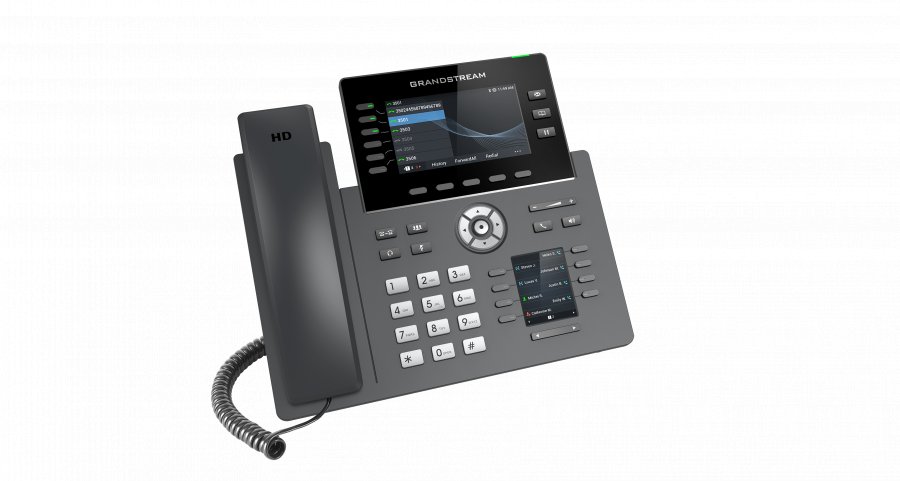
Transform Business Communication with Customized Telephony Solutions
In today’s fast-moving business landscape, clear and reliable communication isn’t just a convenience—it’s a necessity. Companies of all sizes are constantly looking for ways to make interactions with customers, partners, and staff more seamless and effective. Customized telephony solutions offer a powerful way to achieve this by tailoring communication systems to each organization’s specific needs. Instead of relying on generic setups, businesses can choose features, devices, and integrations that fit their workflows perfectly, whether supporting remote teams or connecting with existing digital platforms.
Creating a personalized telephony environment means addressing unique operational challenges that off-the-shelf systems often overlook. For example, a retail chain might need quick call routing during busy hours, while a legal firm requires secure, high-quality audio channels for confidential conversations. Designing communication systems around these needs allows organizations to reduce delays, avoid miscommunications, and foster smoother workflows. This flexibility helps businesses respond faster to customer inquiries and adapt more easily to changing circumstances.
Advancements in telephony technology have made customization more accessible and affordable than ever. Devices like Grandstream’s IP phones support cloud provisioning, centralized management, and seamless integrations, making deployment straightforward—even for smaller businesses. These features enable organizations to build scalable, personalized communication environments without the complexity or high costs traditionally associated with such systems. As a result, companies of all sizes can enjoy tailored solutions that enhance efficiency and user experience.
The shift to Voice over Internet Protocol (VoIP) played a key role in transforming business communication. VoIP replaced traditional landlines with internet-based solutions, offering significant cost savings and increased flexibility. Features like call forwarding, voicemail-to-email, and softphone compatibility can be customized for specific departments or roles, creating a more responsive communication ecosystem. This evolution laid the foundation for building scalable, personalized systems that align with organizational goals.
Centralized management platforms, such as Grandstream’s Device Management System (GDMS), further simplify deployment and maintenance. They allow administrators to configure, monitor, and troubleshoot multiple devices remotely, ensuring consistency across locations. This level of control makes it easier for organizations to grow or reconfigure their communication setups without disrupting daily operations, supporting long-term flexibility and reliability.
Despite these advantages, implementing customized telephony solutions comes with challenges like compatibility issues or security concerns. However, careful planning, choosing standards-compliant devices, and leveraging robust management tools can mitigate these hurdles. When managed properly, personalized systems deliver significant operational benefits, boosting efficiency and supporting business growth.
In essence, tailored telephony solutions are more than just technology upgrades—they’re strategic tools that improve communication efficiency and operational agility. As innovation continues, organizations investing in scalable, easy-to-manage systems will be better positioned to meet future demands. This approach turns communication from a routine utility into a competitive advantage, helping businesses stay connected, responsive, and ahead of the curve.
Tracing the Evolution of Telephony from Inception to Innovation
Telephony systems have evolved dramatically since their inception in the late 19th century, when Alexander Graham Bell’s invention first enabled people to speak directly over long distances. Initially reliant on simple landlines and manual switchboards operated by human operators, these early systems laid the groundwork for the modern communication networks we use today. Despite their simplicity, they introduced the fundamental concept of direct voice communication that would underpin future innovations.
As technology advanced, digital systems and private branch exchange (PBX) networks emerged, transforming business communication. Digital PBX systems replaced the cumbersome analog switchboards, offering better call management, internal routing, and increased reliability. These developments allowed companies to handle multiple calls more efficiently and laid the foundation for the scalable, flexible networks that businesses would rely on.
The real game-changer came with the advent of Voice over Internet Protocol (VoIP). By transmitting voice calls over the internet, VoIP drastically reduced costs and unlocked new levels of customization. Features like call forwarding, voicemail-to-email, and softphone applications became standard, enabling organizations to tailor their communication workflows to their exact needs. This shift from traditional landlines to internet-based systems opened the door for highly personalized telephony solutions.
Cloud-based platforms further accelerated this evolution. Providers like Grandstream introduced devices designed for easy deployment and management across multiple locations. Centralized control platforms, such as Grandstream’s Device Management System (GDMS), simplified device configuration, updates, and troubleshooting. This meant even small and medium-sized businesses could adopt sophisticated, customized telephony environments without heavy infrastructure investments, making advanced features accessible to all.
Today’s telephony continues its rapid transformation with innovations like 5G connectivity and artificial intelligence. These advancements promise smarter call routing, voice recognition, and more intuitive user interfaces. Each step builds on the last, creating increasingly responsive and integrated communication ecosystems that can adapt to shifting business demands. This ongoing digital transformation illustrates how telephony has transitioned from basic voice services to comprehensive, personalized communication platforms.
Understanding this progression highlights how each breakthrough has expanded the possibilities for tailored communication. From the earliest manual switchboards to today’s cloud-managed, AI-enhanced systems, the drive has always been toward more efficiency, flexibility, and user-centric design. Recognizing this history underscores the importance of embracing future innovations to maintain competitive, resilient communication networks that serve evolving business needs.

Fundamental Principles of Tailored Telephony Systems
At its core, customized telephony is about creating flexible, integrated systems that fit the unique needs of each business. It’s not just about installing phones; it’s about ensuring that hardware, software, and cloud services work together seamlessly to support daily operations. When these components are properly connected, employees gain quick access to features like speed dials, smart call routing, and presence indicators. This integration transforms a basic phone into a natural extension of your digital ecosystem, boosting overall efficiency and responsiveness.
Personalization is a key driver of effective telephony. Different roles and teams have distinct communication demands, so giving users the ability to customize their devices makes a noticeable difference. Whether programming speed dials, setting preferred call routes, or enabling softphones for remote work, empowering users to tailor their tools reduces frustration and accelerates workflows. When systems align with individual needs, communication becomes faster, clearer, and more responsive, directly impacting productivity and user satisfaction.
Scalability ensures your telephony setup can grow alongside your business. As you add new employees, locations, or features, your system should adapt without requiring a complete overhaul. Cloud management platforms like Grandstream’s GDMS make this possible by providing centralized control over all devices. With remote configuration, firmware updates, and troubleshooting, deployment becomes quick and hassle-free. This flexibility keeps your communication environment agile, allowing it to evolve smoothly with your organization’s changing demands.
Device choice also plays a crucial role in delivering a personalized experience. Grandstream’s IP phones support programmable keys, softphone compatibility, and straightforward firmware updates—features that enable your team to customize their devices based on specific workflows. Combining reliable hardware with smart management tools ensures your telephony system isn’t just functional but optimized for efficiency, security, and user convenience.
All of these elements rely on a solid network foundation. Customized telephony demands a high-quality, secure network that prioritizes voice traffic through Quality of Service (QoS) protocols and ample bandwidth. Protecting sensitive call data with encryption and cybersecurity measures safeguards your organization’s trust and compliance. When your network is robust and secure, the benefits of system integration and personalization are fully realized, turning your communication system into a strategic asset that drives operational excellence.
Real-World Success Stories of Personalized Telephony Applications
Real-world examples highlight how customized telephony systems can transform daily operations across industries. A hospitality group, for instance, deployed Grandstream’s IP phones at multiple locations. With centralized management through GDMS, they streamlined call routing and quickly adapted to seasonal staffing shifts. This not only improved guest service by reducing wait times but also enhanced internal communication, saving staff time and minimizing errors.
In healthcare, a provider tailored their setup with softphones and cloud control tools to support remote staff. This flexibility enabled faster appointment scheduling and better patient follow-up, even from outside the office. The ability to stay connected and manage calls efficiently contributed to smoother workflows and higher-quality patient care.
Retail chains often struggle with maintaining consistent communication across numerous outlets. By deploying Grandstream’s IP phones and centralizing control, they minimized misrouted calls and responded faster to customer inquiries. Employees could quickly access pre-programmed speed dials and check colleagues’ presence status, making daily interactions more responsive and customer-focused. This tailored approach fostered a more agile, service-oriented environment.
A law firm customized their telephony with dedicated lines, quick-dial buttons, and secure internal channels. This setup improved coordination among attorneys and paralegals, speeding up case handling and enhancing client communication. The result was a more efficient workflow and increased satisfaction from both staff and clients.
Cost savings also come from replacing outdated systems with Grandstream’s IP phones. A manufacturing company adopted these devices for their ease of deployment and management. Thanks to auto-provisioning via GDMS, they reduced manual configuration and ongoing maintenance costs. This scalable setup allowed them to expand or reconfigure their communications rapidly, without disrupting operations.
Organizations that invest in tailored telephony often report improved reliability and user experience. A financial services firm integrated their phones with CRM platforms, enabling agents to access client data during calls. This customization shortened hold times, improved call quality, and boosted customer satisfaction, demonstrating how personalization directly impacts service excellence.
These examples prove that personalized telephony environments deliver real benefits. Streamlined operations, lower costs, and enhanced customer interactions aren’t just theoretical—they’re achievable with the right devices and management tools. Grandstream’s versatile IP phones and centralized control platforms make these improvements accessible and straightforward, turning communication from a routine utility into a strategic advantage.
Future Trends Shaping the Next Generation of Telephony Systems
As the landscape of business communication continues to evolve rapidly, the importance of customized telephony solutions becomes even more apparent. Forward-looking organizations recognize that scalable, flexible systems—like those enabled by Grandstream’s innovative IP phones—are essential for staying ahead. These tailored setups do more than connect calls; they integrate seamlessly with broader digital workflows, laying a strong foundation for future growth and innovation. Investing now in adaptable, cloud-managed platforms ensures your communication environment can evolve effortlessly alongside technological advances, making agility a core competitive advantage.
Emerging trends such as AI-powered call routing, voice recognition, and enhanced security measures promise to deepen the level of personalization possible. These innovations enable businesses to deliver smarter, more responsive interactions that feel intuitive and tailored to individual needs. As these features become mainstream, organizations equipped with customized telephony systems will be better positioned to automate routine tasks, gain valuable insights through analytics, and deliver higher levels of service. The future belongs to those who see communication as a strategic asset, capable of driving efficiency and customer satisfaction simultaneously.
The shift towards integrated digital ecosystems will continue to blur the lines between voice, data, and customer engagement. Devices like Grandstream’s IP phones support this convergence, offering flexible customization options that adapt to changing needs. As organizations leverage these tools, they can deploy new features or reconfigure workflows with minimal disruption, maintaining a high level of responsiveness. This digital agility helps companies respond swiftly to market shifts, customer expectations, and internal demands, making their communication systems true drivers of operational resilience.
Security remains a key concern as telephony systems become more complex and interconnected. Future solutions will need to embed advanced encryption, threat detection, and compliance protocols into scalable, cloud-based platforms. This ensures organizations can enjoy the benefits of personalization without exposing themselves to unnecessary risks. Building security into the foundation of your communication ecosystem not only protects sensitive information but also builds trust with clients and partners, reinforcing your reputation as a reliable, forward-thinking business.
The ongoing digital transformation underscores that telephony is no longer just about voice calls. It’s about creating intelligent, integrated environments that enhance every interaction. Devices like Grandstream’s IP phones support this evolution by offering a blend of customization, management simplicity, and compatibility with emerging technologies. As these systems grow smarter and more interconnected, they will enable organizations to deliver experiences that are not only efficient but also deeply personalized, aligning perfectly with modern expectations for service and engagement.
Looking ahead, the key for businesses is to view telephony not as a static utility but as a dynamic strategic tool. Starting with scalable, cloud-managed devices and platforms allows for incremental upgrades that keep pace with technological progress. Staying informed about future trends and investing in adaptable solutions empower organizations to maintain a competitive edge, seize new opportunities, and foster innovation. The foundation laid today by deploying systems like Grandstream’s IP phones sets the stage for a connected, agile, and future-ready communication landscape that can meet any challenge head-on.



