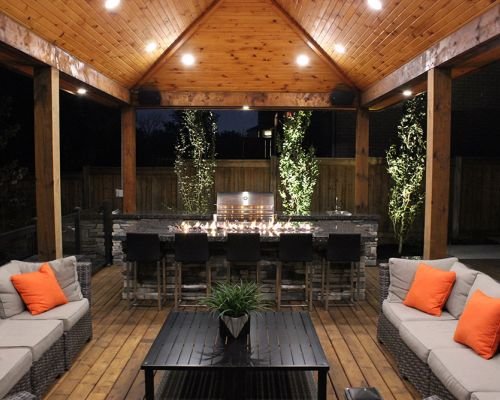
Transform Your Yard Into a Sustainable Outdoor Retreat
Transforming Toronto yards into captivating outdoor retreats involves more than just planting flowers or laying patios; it’s a delicate balance of beauty, sustainability, and personal satisfaction. How can homeowners create spaces that are not only visually stunning but also environmentally responsible and adaptable to Toronto’s unique climate? This guide delves into innovative landscape design principles rooted in history, blending tradition with modern eco-conscious practices. From native plants and permeable surfaces to smart irrigation systems, each element is carefully chosen to enhance resilience and reduce environmental impact. The journey from planning to maintenance emphasizes thoughtful strategy, practical application, and continual evolution. As outdoor spaces become more than mere aesthetic features—serving as eco-friendly sanctuaries and functional extensions of the home—designers and homeowners are challenged to innovate responsibly. Will Toronto’s landscapes evolve into resilient, sustainable havens that reflect both our environmental commitments and personal visions of beauty? The future of outdoor living is waiting to be shaped.
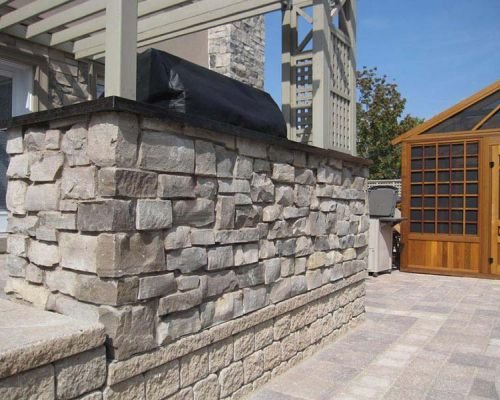
Transforming Toronto Yards into Inviting Outdoor Retreats: Balancing Beauty and Sustainability
Transforming Toronto yards into inviting outdoor retreats is about more than just planting a few flowers or laying down a patio. It’s a thoughtful process that blends visual appeal, practicality, and environmental responsibility into a cohesive design. As homeowners seek to make their outdoor spaces more functional and beautiful, the challenge is to do so while respecting Toronto’s unique climate and ecological footprint. A successful transformation balances aesthetic charm with sustainable practices, creating a space that feels personal yet environmentally conscious.
In recent years, the trend toward greener, more sustainable outdoor spaces has gained momentum. Urban living in Toronto continues to grow denser, making outdoor retreats essential for relaxation, socializing, and reconnecting with nature. Today’s homeowners want yards that not only boost curb appeal but also support local ecosystems and conserve resources. This shift reflects a broader desire to improve quality of life without harming the environment, emphasizing responsible landscaping.
Creating these outdoor escapes begins with understanding the importance of harmony between natural elements and human needs. Thoughtful design considers the local climate, soil conditions, and existing vegetation to craft spaces that are both resilient and visually engaging. By integrating native plants, eco-friendly materials, and water-efficient features, designers can develop landscapes that are sustainable and low-maintenance over time. It’s about building a retreat that endures, thriving through Toronto’s changing seasons.
Designing a successful outdoor space involves striking a balance between beauty and practicality. This means selecting elements that serve multiple purposes—whether it’s a cozy seating area, a vegetable garden, or a water feature—while ensuring they complement each other. Incorporating sustainable practices, like permeable paving or rain gardens, supports environmental health and reduces resource consumption. When these principles are aligned, the result is a yard that feels both inviting and responsible.
Toronto’s landscape design history offers valuable insights into current practices. From traditional manicured lawns to naturalistic English gardens, the evolution reflects changing priorities—moving from order to sustainability. Today, the focus is on creating spaces that are beautiful, functional, and environmentally sound. By understanding these roots, designers can blend timeless elegance with modern eco-conscious solutions, producing outdoor retreats that stand the test of time.
Ultimately, transforming a yard into a retreat is an ongoing journey. It requires careful planning, attention to detail, and a commitment to sustainability. When executed thoughtfully, these outdoor spaces become more than just beautiful environments—they become extensions of our homes and ecosystems. They invite relaxation, foster connection, and support a healthier planet, making every effort worth the investment. This process is about creating spaces that are not only visually stunning today but resilient and sustainable for tomorrow.
Foundations of Landscape Transformation: Principles, Influences, and Structural Elements
Creating outdoor retreats in Toronto begins with understanding the core principles that underpin successful landscape transformation. At its foundation, good design harmonizes visual appeal, practicality, and environmental responsibility. Influences from different eras, regional climate conditions, and cultural preferences shape how these outdoor spaces come together, guiding choices that balance tradition and innovation. For example, traditional formal gardens with symmetrical layouts have evolved into more naturalistic styles that blend seamlessly with the environment, reflecting a shift toward eco-consciousness.
Toronto’s landscape history offers valuable insight into how design philosophies have changed over time. Mid-20th-century yards often featured meticulously manicured lawns and geometric shapes, emphasizing order and formality. As decades passed, there was a move toward more organic, flowing designs inspired by English landscape gardens. Recently, the focus has shifted further toward sustainability, with native plants, permeable paving, and water conservation techniques taking center stage, ensuring designs are both beautiful and resilient.
Fundamental principles like harmony, balance, and functionality serve as the backbone of effective landscape design. Harmony ensures that plants, structures, and features work together cohesively, avoiding visual discord. Balance—whether achieved through symmetry or deliberate asymmetry—creates a sense of stability and invitation. Functionality guarantees that every element serves a purpose, supporting how homeowners intend to use their outdoor space, from relaxing and entertaining to gardening or outdoor cooking.
Incorporating sustainable practices has become integral to Toronto’s landscape design ethos. Native plants, for instance, reduce water needs and maintenance, while eco-friendly materials and permeable surfaces help manage stormwater and minimize environmental impact. Innovations such as rain gardens and recycled paving materials demonstrate how environmentally responsible choices can also enhance aesthetic appeal, creating landscapes that are both functional and eco-conscious.
Toronto’s landscape evolution features milestones like the adoption of native plant landscaping and permeable paving systems, which address urban stormwater challenges while maintaining visual charm. The integration of smart irrigation systems and modular features allows for adaptable, efficient landscapes that evolve over time, supporting long-term resilience and ease of maintenance. These advancements reflect a growing commitment to marrying beauty with environmental responsibility.
Designing outdoor retreats that stand the test of time relies on blending these core concepts with thoughtful execution. Careful site assessment, including soil testing and sunlight analysis, ensures that plant selections and features thrive in Toronto’s climate. Selecting eco-friendly materials and native plants from local sources supports sustainability and simplifies maintenance, while strategic placement of focal points like fire pits or water features enhances visual interest and functionality.
By anchoring projects in these fundamental ideas, designers create outdoor spaces that are both captivating and enduring. Understanding the historical influences and modern innovations allows for the development of landscapes that feel timeless yet current. This foundation enables ongoing creativity, ensuring each transformation not only meets aesthetic goals but also supports ecological health and long-term durability.
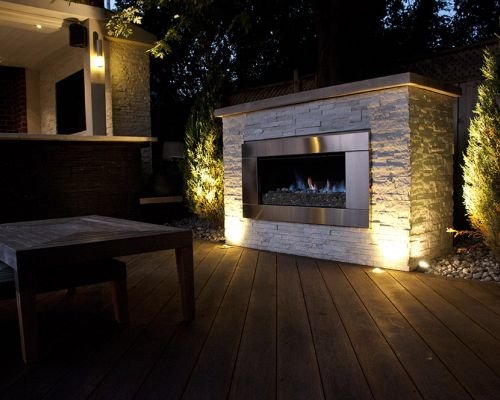
Modern Perspectives in Landscape Design: Trends, Attitudes, and Philosophies
Modern landscape design in Toronto reflects a shift toward innovation, ecological responsibility, and a deeper appreciation for outdoor spaces as versatile retreats. Today’s homeowners and designers prioritize sustainable practices like native plantings, permeable surfaces, and water-efficient irrigation systems. These choices go beyond aesthetics—they’re about creating landscapes that are resilient, environmentally friendly, and tailored to Toronto’s unique climate.
Versatility is now a cornerstone. Outdoor spaces are designed as multi-functional zones, supporting relaxation, socializing, gardening, or even urban farming. This approach responds to a desire for personalized retreats that serve multiple needs while maintaining visual harmony. The seamless transition between indoor and outdoor areas is increasingly popular, making nature feel like a natural extension of the home.
Design philosophies today emphasize harmony with the environment. Native plants, organic shapes, and natural materials foster effortless, organic aesthetics that blend into the surrounding landscape. Minimalist principles—characterized by clean lines and clutter-free layouts—promote calm and clarity, reducing maintenance and enhancing usability. These styles support low-maintenance landscapes that allow homeowners to enjoy their outdoor retreats without constant effort.
Media influences and cultural trends shape current expectations, often showcasing lush, stylish yards that set high standards. While inspiring, some portrayals focus heavily on visual impact, sometimes at the expense of sustainability. Today’s landscape designers aim for a balance—creating beautiful spaces that are also eco-conscious, using drought-tolerant native plants and eco-friendly materials to achieve both goals.
Global influences enrich Toronto’s outdoor aesthetics, blending elements from European formal gardens, Asian water features, and Mediterranean drought-resistant plants. This diversity encourages creative fusion, resulting in outdoor spaces that are culturally meaningful and environmentally appropriate. Such eclectic designs reflect Toronto’s multicultural fabric and its openness to innovative, sustainable ideas.
Technology continues to shape landscape trends. Smart irrigation systems, modular features, and adaptable design elements make landscapes more efficient and responsive. These innovations simplify maintenance, conserve resources, and allow landscapes to evolve with changing needs, supporting long-term resilience and sustainability.
Ultimately, modern landscape design combines style, functionality, and eco-consciousness. It’s about creating outdoor retreats that are not only visually appealing but also responsible and adaptable. By embracing innovation and respecting local conditions, designers and homeowners can craft outdoor environments that inspire today and endure well into the future.
Practical Strategies for Creating Dream Outdoor Spaces in Toronto
Transforming a Toronto yard into a stunning outdoor retreat starts with a clear, well-thought-out plan that emphasizes practical, actionable steps. Begin with a thorough site assessment—note sunlight exposure, soil quality, drainage patterns, and existing vegetation. Understanding these factors helps tailor your design to the natural features of the space, avoiding costly mistakes and ensuring that every element functions harmoniously within the environment. Engaging clients early in this process is crucial; ask about their lifestyle, preferences, and priorities to create a space that truly reflects their needs, whether they envision a cozy lounge, a vegetable garden, or a blend of both.
Once you have a solid grasp of the site’s potential and the client’s vision, develop a detailed conceptual plan. Focus on sustainable choices like native plants, eco-friendly materials, and water-efficient irrigation systems. These elements not only support environmental goals but also reduce long-term maintenance costs. Incorporate focal points such as fire pits, seating areas, or water features to add visual interest and functionality. Keep the design balanced and avoid clutter by prioritizing features that serve multiple purposes, creating a welcoming, functional outdoor space without overwhelming the yard.
During installation, precision and attention to detail are key. Proper soil preparation, accurate plant placement, and careful construction of features ensure durability and visual appeal. Rushing this phase or cutting corners can compromise both the longevity and the aesthetics of the landscape. Maintain open communication with clients throughout, allowing for adjustments and ensuring their expectations are met at every stage. After installation, establish a routine maintenance schedule—mulching, watering, seasonal pruning—to keep the landscape vibrant and sustainable over time.
Leverage digital tools and resources to streamline the process. Checklists for site assessments, plant guides tailored to Toronto’s climate, and design software help visualize ideas and identify potential issues early. Sourcing sustainable materials and native plants from local suppliers supports eco-friendly goals and simplifies procurement. These resources not only improve decision-making but also reinforce a commitment to responsible landscaping practices, making the project more efficient and aligned with sustainability.
Creating a successful outdoor retreat involves ongoing care and adaptation. Regular maintenance, such as mulching, watering, and seasonal pruning, keeps the landscape healthy and attractive. Be open to refining your approach based on how the space evolves, and stay informed about new sustainable practices and materials. Each project is an opportunity to learn, improve, and incorporate innovative solutions that enhance both beauty and resilience.
By combining thoughtful planning, precise execution, and a dedication to sustainability, you can craft outdoor spaces that delight clients today and stand strong for years to come. These retreats aren’t just beautiful—they’re functional, eco-conscious, and tailored to the unique Toronto climate. The result is a seamless blend of aesthetics and responsibility that transforms yards into personal escapes, enriching lives while respecting the environment.
Looking Ahead: Innovation, Sustainability, and the Future of Outdoor Retreats in Toronto
Designing outdoor retreats in Toronto is an ongoing journey that benefits from continuous innovation and a strong commitment to sustainability. As we’ve seen, creating beautiful, practical, and eco-friendly landscapes isn’t a one-time effort but a process that evolves with new ideas, technologies, and environmental understanding. Incorporating smart systems like automated irrigation and modular features helps landscapes respond more effectively to changing conditions, conserving resources while maintaining visual appeal. These tools not only boost resilience but also make long-term management simpler and more efficient.
Looking ahead, the focus on eco-conscious materials and practices will only grow stronger. Drought-resistant native plants and water-wise techniques will become standard in response to climate challenges, helping landscapes withstand unpredictable weather while minimizing environmental impact. Advances in renewable materials and innovative construction methods will make sustainable options more accessible, encouraging widespread adoption across neighborhoods and projects. This shift will ensure outdoor spaces remain vibrant, functional, and aligned with ecological priorities.
Urban agriculture and edible landscapes are gaining momentum, transforming yards into productive, eco-friendly retreats. These features promote local food production, biodiversity, and a closer connection to the environment. As awareness of ecological benefits deepens, designs will increasingly support native pollinators and wildlife, enriching local ecosystems. This approach not only enhances the aesthetic but also fosters a sense of responsibility and partnership between homeowners and the environment, making outdoor spaces more meaningful and sustainable.
Both designers and homeowners play vital roles in shaping the future of outdoor landscapes. Clear communication, shared values, and small daily actions—such as choosing native plants or conserving water—amplify positive impacts. By embracing a mindset of continuous learning and responsible stewardship, we can create landscapes that are not only inspiring today but resilient and adaptable for generations to come. This collective effort will help build healthier communities and more vibrant, sustainable cityscapes.
Remaining curious and open to emerging trends, materials, and techniques is key. Staying informed allows us to push creative boundaries while maintaining ecological integrity. The goal is to develop landscapes that are flexible, inspiring, and built to last—spaces that reflect our values and support future needs. Every project offers an opportunity to innovate, to refine our approach, and to deepen our commitment to responsible design.
Outdoor retreat transformation is about more than aesthetics. It’s a chance to forge stronger connections to nature, support local ecosystems, and reduce our environmental footprint. Each successful project proves that beauty and sustainability can coexist, inspiring others to follow suit. As these principles become more integrated into everyday practice, Toronto’s outdoor spaces will continue to evolve into resilient, eco-conscious havens.
This ongoing journey demands a shared dedication to learning, adaptation, and environmental care. By continually exploring new ideas and embracing responsible practices, we can craft outdoor environments that are both captivating and sustainable. The future of Toronto’s outdoor design lies in balancing innovation with respect for nature, ensuring these landscapes remain vibrant, resilient, and meaningful for generations to come.



