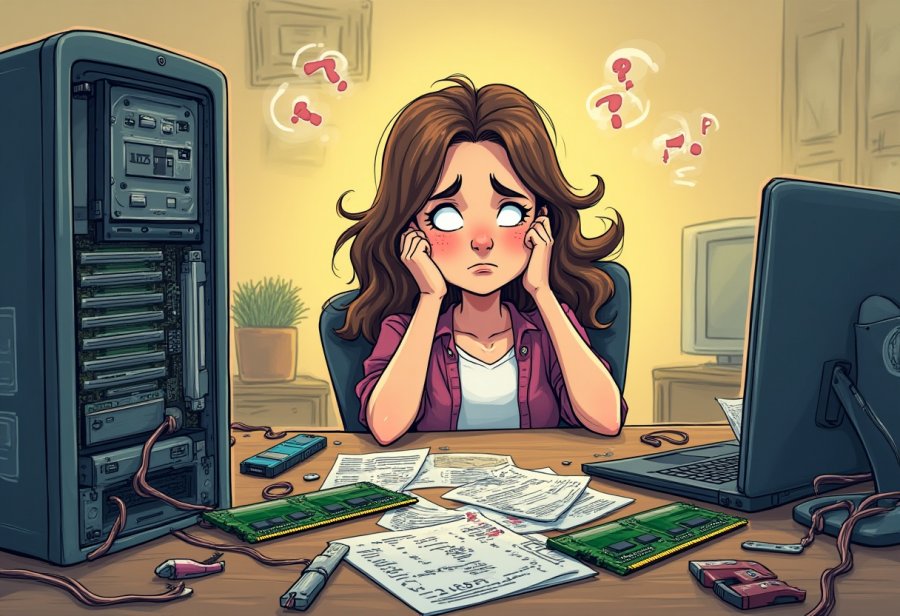
When DIY Computer Upgrades Turn into Hilarious Hardware Havoc
Embark on a humorous journey into the chaotic world of DIY computer upgrades, where aspirations of speed and performance collide with tangled wires, misplaced screws, and unexpected hardware hurdles. Despite the promise of a simple enhancement, many enthusiasts find themselves navigating a maze of cables, dealing with incompatible parts, and troubleshooting elusive issues—often with a sense of humor and resilience. This vivid portrayal highlights how the process transforms from an expected straightforward task into a memorable adventure filled with frustration, surprises, and laughter. Are you prepared to embrace the unpredictable, messy reality of upgrading your tech? Beyond the chaos lies a shared experience of patience and perseverance, turning setbacks into stories worth telling. Ultimately, the journey underscores that the true reward isn’t just better performance but the humorous memories and lessons forged along the way.

Embrace the Hilarious Chaos of DIY Computer Upgrades
Upgrading your computer sounds straightforward in theory: swap a few parts, press a button, and enjoy faster performance. But anyone who’s actually tried knows it’s rarely that simple. Instead of a quick, clean job, it often turns into a chaotic adventure—tangled cables, confusing instructions, and surprises lurking around every corner. You open up your case expecting a neat process, only to be greeted by a jumble of wires that look more like spaghetti than a tidy system. Suddenly, what seemed like a simple upgrade feels more like solving a puzzle with missing pieces.
There’s something undeniably funny about these moments. Maybe you’ve wrestled with a graphics card that’s too large for your case or discovered a screw hiding in an inconvenient spot. Cables seem to develop a mind of their own, looping and knotting into shapes that make you wonder if they’re mocking your efforts. It’s almost as if hardware has a sense of humor—testing your patience with every twist and turn. These little mishaps turn what should be a straightforward task into a comedy of errors.
And then there are the tiny surprises—static shocks, misfired connections, or a component that refuses to cooperate. These moments can derail your progress and turn a simple upgrade into a troubleshooting marathon. You find yourself searching for a missing screw or trying to fit a part that just won’t go in. Frustration builds, but somehow, these chaos-filled moments become stories you’ll laugh about later. They’re part of the experience, reminding you that even the most confident DIYers face setbacks.
Despite the chaos, there’s a certain charm to the unpredictability. It’s all part of the process—testing patience, honing problem-solving skills, and sometimes just accepting that perfection isn’t the goal. These moments of hardware chaos shake up the routine and turn an ordinary upgrade into a memorable adventure. And when everything finally clicks into place and your system boots up smoothly, that sense of achievement makes every tangled wire and misstep worth it.
The humor in these situations isn’t just about the mishaps; it’s about the shared experience of frustration and triumph. Every tangled cable or lost screw becomes a badge of honor, a story to tell and laugh about. These chaos-filled moments forge a bond among builders—reminding us that patience, persistence, and a good sense of humor are the real tools for any successful upgrade. After all, what’s a tech project without a little chaos to keep things interesting?
Master the Essentials Before You Dive Into the Upgrade Wilderness
Before diving into any upgrade, it’s essential to understand what you’re working with. A typical desktop or laptop has key components like the CPU, RAM, storage drives, and the GPU. Each plays a specific role—think of the CPU as the brain handling calculations, RAM as the short-term memory keeping things running smoothly, storage as the long-term space for your files, and the GPU as the power behind graphics and video tasks. Knowing what each part does helps you decide what to upgrade and what to leave alone.
Compatibility is often the biggest hurdle. Not all parts fit together seamlessly, and mismatched components can turn a straightforward upgrade into a headache. For example, a new CPU might require a different socket or chipset, while a larger graphics card may not fit in your current case. Checking your motherboard’s specs and your power supply’s capacity before shopping can save you from ending up with hardware that doesn’t work together.
Planning ahead makes a big difference. Back up important data to avoid losing files if things go wrong. Gather the right tools—screwdrivers, anti-static wristbands, cable ties—to make the process smoother. Following detailed guides tailored to your hardware can help prevent mistakes, but skipping these preparations often leads to complications once you’re in the thick of things.
Knowing your current setup is just as important. Measure your case’s dimensions to ensure new hardware will fit. Check your power supply’s wattage to see if it can handle the extra load. Sometimes, a new component needs additional cables or connectors, so being aware of these details keeps things on track and minimizes surprises.
After installing new parts, don’t forget to update drivers and BIOS firmware. Outdated software can cause stability issues or hardware conflicts, turning a simple upgrade into endless debugging. Updating BIOS can be risky if not done carefully, but it often improves hardware compatibility and performance. Taking these steps helps your system recognize and run the new components smoothly.
Despite all the planning, unexpected issues happen. Hardware might not work as expected, or you might realize you need extra tools or parts. These setbacks are normal, and patience is crucial. Understanding the basics of your system’s components and their limits gives you a better shot at navigating the chaos and turning a frustrating upgrade into a valuable learning experience.
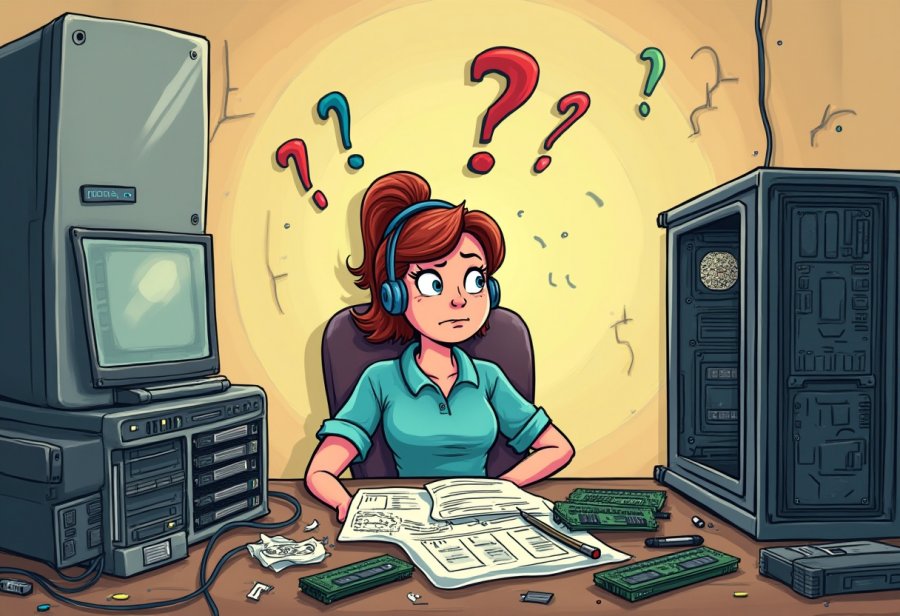
Navigate Today’s DIY Upgrade Battlefield with Humor and Skill
Today’s DIY computer upgrade scene is a wild mix of hope and chaos. Many start with good intentions, watching online tutorials and imagining a quick, smooth swap of parts. But once they open the case, reality hits hard. Cables that look manageable in guides quickly turn into a tangled mess, making it nearly impossible to see what’s what. Hardware components don’t always fit as perfectly as they seem in pictures, forcing users into awkward maneuvers or improvisation. Even experienced builders encounter surprises—like a graphics card that’s too big or a screw that’s vanished into the shadows. These unexpected roadblocks remind everyone that hardware upgrades rarely go as planned.
The process becomes a puzzle that tests patience and problem-solving skills. Sometimes, you find that the new part isn’t compatible with your current setup, or a cable just refuses to reach the right port. Static shocks, misfiring components, or driver conflicts can turn a simple upgrade into a troubleshooting marathon. Frustration builds, and it’s easy to feel like you’re fighting a losing battle against a web of wires and hardware. Yet, even amid these setbacks, humor often emerges. Stories of tangled cables or knocking over a drink onto an open PC become shared laughs later on.
Even seasoned DIYers admit that no upgrade is without surprises. Screws vanish, parts resist fitting, and troubleshooting can take twice as long as expected. These moments of chaos can derail schedules and push patience to the limit, transforming what should be a quick task into a multi-hour ordeal. Still, these mishaps become part of the story that makes hardware tinkering memorable—and often hilarious.
The landscape of DIY upgrades today also reflects new trends. Modular components, like easy-to-install RAM and plug-and-play GPUs, have made some tasks more straightforward. Specialized tools, such as anti-static wristbands and cable management accessories, help keep things organized. Online communities and tutorials provide step-by-step guidance, reducing some of the chaos. But even with these advancements, surprises and frustrations still surface, especially for newcomers.
Many weigh the benefits of DIY against the chaos it can bring. While doing it yourself can save money and offer a sense of accomplishment, the tangled wires, hardware conflicts, and setbacks can be discouraging. These moments of chaos often turn into funny stories and valuable lessons, reminding everyone that perfection isn’t the goal—enjoying the journey is. In the end, the messy, unpredictable world of upgrades is part of what makes building or upgrading a PC an experience worth remembering.
Balance Your Budget and Avoid Costs Turning Up Like Surprise Guests
When planning a DIY computer upgrade, money isn’t the only thing to think about—it’s about how much you’re willing to spend and what you’ll get in return. While it’s tempting to splurge on the latest high-end graphics card or a huge amount of RAM, those choices can quickly blow your budget if you’re not careful. The key is balancing cost with real benefit. Sometimes, a modest upgrade like increasing RAM or swapping out an HDD for an SSD offers noticeable performance boosts without draining your wallet. It’s about making smart choices that deliver value, rather than chasing flashy hardware that might sit unused or cause compatibility headaches.
Hidden costs often catch people off guard. Buying tools, cables, or accessories might seem minor at first, but they add up fast. An anti-static wristband, cable ties, screwdrivers, or extra screws—these essentials can turn a simple upgrade into a small shopping spree. Plus, if you mishandle components or damage something, replacing parts can inflate your expenses unexpectedly. It’s wise to set aside a buffer budget for these extras. Having some extra funds on hand prevents frustration from rushing out to buy last-minute supplies or replacements, keeping your upgrade process smoother.
The temptation to go all-out can lead to overspending on hardware that doesn’t provide proportional gains. For example, investing heavily in a top-tier GPU might not be worthwhile if your case can’t fit it or your power supply can’t handle the load. Sometimes, focusing on incremental upgrades—like adding more RAM or storage—produces better results for less money. This approach helps avoid costly mistakes and keeps your upgrade manageable. It’s about choosing components that align with your actual needs, rather than just the latest trends.
Unexpected costs are part of the process. You might realize your existing case or power supply isn’t up to the task, prompting additional purchases. Sometimes, compatibility issues mean you’ll need adapters or new cables, which can add to the bill. These surprises can turn a straightforward upgrade into a multi-step project, stretching your time and budget. Planning ahead with a clear budget and some flexibility can help you navigate these bumps without losing your patience or your wallet.
Time is another hidden expense. Troubleshooting hardware conflicts, untangling cables, or waiting for parts to arrive can extend your project well beyond initial expectations. Sometimes, it’s more cost-effective to hire a professional if you’re pressed for time or unsure about handling complex tasks. Remember, your time and effort have value, and rushing into a big upgrade without proper planning often leads to more expenses and frustration. Investing in patience and proper preparation can save you money and stress in the long run.
Finally, evaluate whether the upgrade is truly worth the cost. If the financial or time investment outweighs the benefits—like a slight performance bump that doesn’t justify the hassle—it might be better to hold off. Spreading out upgrades over time can be smarter, both financially and logistically. Keeping your expectations realistic helps prevent impulsive spending and chaotic surprises. When approached thoughtfully, a budget-conscious upgrade keeps chaos in check and ensures you gain real value from your effort.
Real-World Mishaps and How Upgrading Turns Daily Life Into a Comedy Show
When you decide to upgrade your PC yourself, it can dramatically impact your daily routine in unexpected ways. Imagine gearing up for a gaming session or an important work deadline, only to find yourself tangled in a web of cables that seem to have multiplied overnight. Wires drape across your desk and floor, transforming your workspace into a maze rather than a productive environment. Every attempt to troubleshoot or swap hardware becomes a test of patience, often with your coffee teetering dangerously close to disaster. These moments of chaos can quickly turn a straightforward task into a frustrating puzzle.
Hardware surprises are common and often comically unfortunate. You might expect a new graphics card to slide in easily, only to discover it’s too large for your case. Suddenly, you’re faced with either buying a new case or trying to squeeze the hardware into tight spaces—neither option without its own set of headaches. Sometimes, a loose screw or an unseated cable causes your system to refuse to turn on, turning a simple upgrade into a full troubleshooting marathon. These issues, while irritating, often become stories you’ll retell with a smile later, highlighting how unpredictable DIY upgrades can be.
The disruption extends beyond the hardware itself, seeping into your daily life. An unexpected crash or lag can throw off your schedule, delaying work or spoiling leisure time. Hours spent fiddling with drivers, updating BIOS, or untangling a mess of cables can drain your patience and energy. The frustration peaks when you realize a minor mistake—like a disconnected cable—causes a system failure. Yet, even these setbacks often lead to humorous anecdotes about the chaos, making the effort feel more memorable than frustrating.
These mishaps don’t just test your technical skills—they also reshape your perspective on patience and problem-solving. Overcoming tangled wires or hardware conflicts boosts confidence, turning what once seemed like setbacks into small victories. Sharing stories of these DIY disasters often becomes a bonding experience among friends or online communities, reminding everyone that perfection isn’t the goal—enjoying the process matters just as much. Ultimately, these chaos-filled moments become part of the journey, making the eventual success all the sweeter.
Of course, the chaos can extend into your environment, making your workspace cluttered and disorganized. Lost screws, misplaced tools, and tangled cables create a mess that’s hard to manage. This disorder can slow down progress, prolong the upgrade and increase stress. However, it also teaches valuable lessons in organization and patience, as you learn to tame the chaos one step at a time. These messy moments become part of the narrative—proof that even chaos can be transformed into a learning experience.
Despite the inevitable setbacks, many see these chaotic moments as part of the charm of DIY upgrades. Each tangled cable or hardware hiccup becomes a badge of perseverance, a story of persistence in the face of chaos. These stories often turn into funny anecdotes and lessons that prepare you for future projects. In the end, the messy, unpredictable world of building or upgrading a PC isn’t just chaos—it’s what makes the process memorable, rewarding, and genuinely human.
Laugh Through the Mayhem: Highlighting the Most Memorable Upgrade Fails and Funny Stories
The chaos of upgrading a computer often leads to moments that are as funny as they are frustrating. Imagine carefully installing a new graphics card only to realize it’s too big for your case, forcing you into awkward contortions or even a case swap just to make it fit. Cables are a favorite culprit—wires that seem manageable in the manual suddenly become a tangled mess that tests your patience and sense of humor. More time is spent untangling and repositioning than actually upgrading, and that’s where the comedy begins.
Sometimes, screws vanish into the depths of your case, turning a simple task into a treasure hunt with no map. Missing screws or misplaced parts are common pitfalls, often leading to frantic searches or improvisation with whatever you have nearby. The moment you hear a tiny “pop” or see a spark after connecting a cable wrong is a perfect recipe for a quick adrenaline rush, followed by a nervous laugh. These hardware mishaps seem minor but pile up, creating a scene that’s hard to forget.
Static shocks are another frustratingly funny twist—just when you’re about to finish, a tiny static discharge zaps a sensitive component, jeopardizing your entire upgrade. It’s a reminder that small mistakes can cause big headaches. If your system refuses to turn on after hours of fiddling, it’s usually something simple like a loose cable or an unseated RAM. These little errors turn straightforward tasks into troubleshooting marathons, often with a comic flair.
Hardware compatibility adds a layer of chaos that’s almost slapstick. A shiny new part might not fit, or worse, be incompatible with your existing setup, forcing you to rethink your entire plan. You might find yourself ordering extra tools or parts you never expected, stretching the project into a full saga. Even seasoned DIYers admit surprises like these are part of the process, and the humor often comes from how absurd the situation becomes.
Cables tend to steal the show—they develop a mind of their own, looping into knots that make pretzels jealous. Untangling a spaghetti of wires without losing your mind is a true test of patience, often accompanied by exaggerated sighs and head shakes. Yet, with some perseverance and a bit of creative cable management, order eventually returns—until the next upgrade chaos strikes again.
Finally, the mishaps and failures often turn into stories you’ll retell at future gatherings. Whether knocking over a drink onto your open PC or accidentally connecting the power to the reset switch, these moments become part of the legend. They remind us that tech upgrades are rarely perfect but always memorable. This chaos, while maddening in the moment, becomes what makes the journey genuine, funny, and ultimately rewarding.



