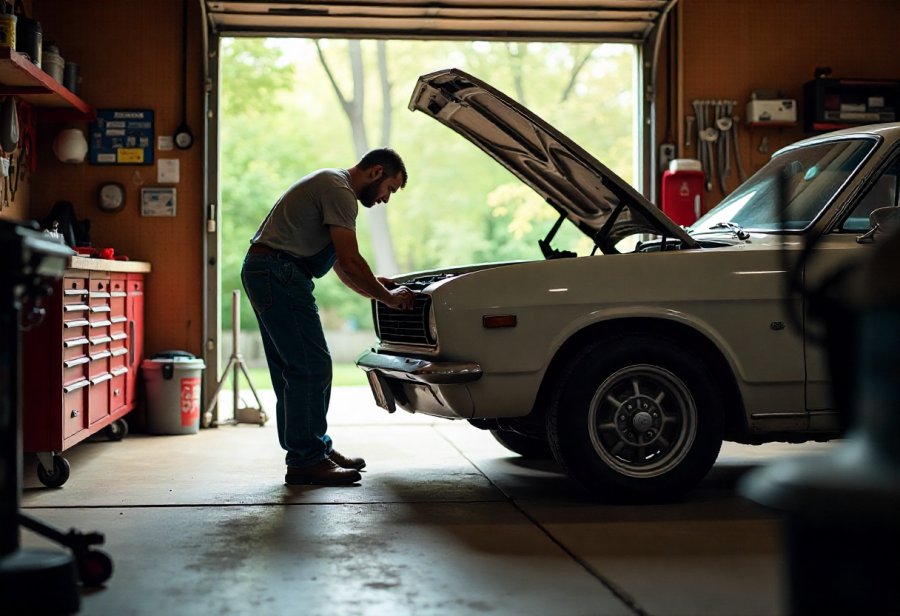
Transform Your Backyard Garage Into a Passionate Restoration Sanctuary
Unlock the secrets behind the passionate world of backyard mechanics and discover how these personal sanctuaries have evolved into vibrant hubs of craftsmanship and community. From post-World War II origins to today’s blend of tradition and innovation, these garages are more than workshops—they are living stories of resilience, ingenuity, and shared knowledge. What hidden tricks do seasoned enthusiasts rely on, and how are modern tools transforming restoration into an accessible art form? With advances like digital diagnostics, 3D printing, and eco-friendly innovations, the future of backyard restoration promises new possibilities without losing sight of its roots. This space isn’t just about fixing cars; it’s about creating a personal legacy, igniting passion, and forging connections across generations. Curious how these garages will continue to adapt and inspire? Step inside this compelling world where patience, creativity, and technology unite in a timeless pursuit of revival.
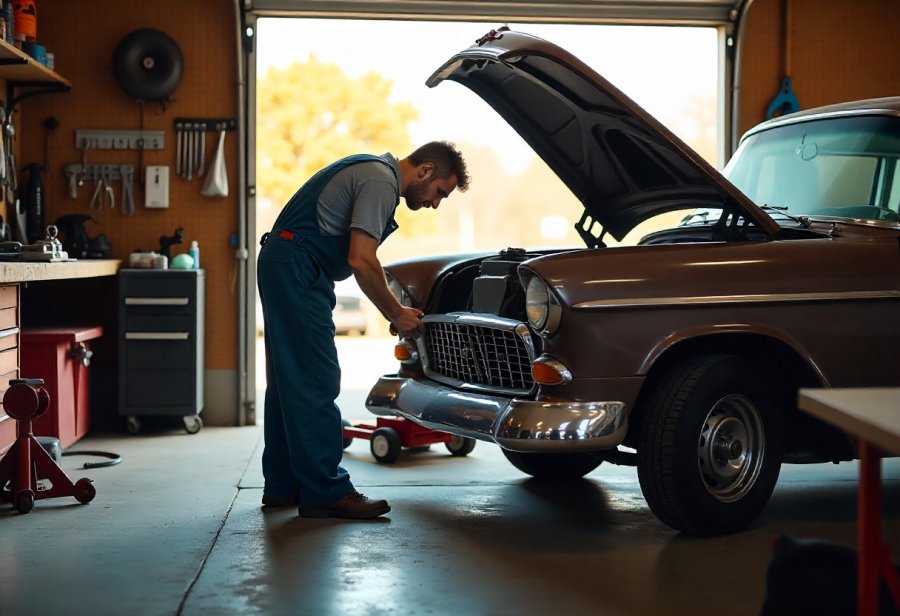
Transforming the Garage Into Your Personal Sanctuary of Passion
A backyard mechanic’s garage is more than just a workspace; it’s a personal sanctuary where passion for restoration and craftsmanship come to life. Whether tucked away in a quiet corner of the yard or set up as a dedicated workshop, this space becomes a refuge from the chaos of daily life. Here, focus sharpens, and creativity flows freely, with every tool and worn surface telling a story of hours spent bringing vintage machines back to life. It’s a place where patience and skill intertwine, transforming rust into revival through hands-on effort.
For many enthusiasts, the garage is a reflection of their personality and values. Organized tools, well-worn manuals, and personalized setups reveal a deep connection to the craft. It’s not just about fixing cars; it’s about creating a space that nurtures growth, learning, and a sense of achievement. Over time, this environment evolves into a true sanctuary—one where every project becomes a meaningful journey, and every successful repair fuels further passion.
Beyond its physical setup, the garage fosters a community of shared knowledge and tradition. From passing down secret tricks through casual conversations to customizing workbenches for specific projects, it becomes a hub of ongoing learning. Many hobbyists invest in lighting, storage, and specialized equipment, tailoring their space to suit their unique restoration pursuits. This personal touch transforms the garage into a haven of craftsmanship, where every detail encourages mastery and innovation.
Emotionally, the garage is a treasure trove of stories. Each repaired part and restored engine carries memories of ingenuity—improvised tools, clever hacks, and moments of breakthrough. These stories deepen the bond between mechanic and machine, turning routine repairs into personal victories. Mistakes are welcomed as part of the process, and progress is celebrated as a sign of growth. This environment nurtures patience, resilience, and a love for the craft that keeps the passion alive.
The space also provides a peaceful escape from the hustle and bustle of modern life. Mistakes happen, progress is slow at times, but every dent hammered out or bolt tightened reinforces the mechanic’s love for their work. It’s a space of continuous learning and personal expression, where skills are passed down, secrets shared, and new techniques explored. Over time, the garage develops its own character—shaped by its owner’s personality and experiences—making it a truly unique sanctuary of passion and craftsmanship.
Ultimately, a backyard garage isn’t just a place to repair cars. It’s a personal haven where tradition meets innovation, where old machines are reborn, and memories are made. It’s a space that celebrates patience, skill, and the timeless joy of bringing something old back to life with your own hands. This sanctuary nurtures a lifelong passion—one that continues to grow and inspire with every project undertaken.
Tracing the Roots of the Backyard Garage Revival
The backyard garage culture didn’t emerge overnight; it has deep roots that stretch back to the post-World War II era. After the war, returning veterans and car enthusiasts began transforming their driveways and yards into makeshift workshops. This DIY movement was fueled by a desire to understand vehicles firsthand rather than relying solely on professionals. Sharing tips and techniques within local communities laid the groundwork for a movement centered on craftsmanship, independence, and personal pride that still influences enthusiasts today.
As decades passed, this grassroots effort gained momentum. The increasing affordability of tools and detailed manuals made learning and experimenting at home accessible to more people. Garages started to be seen as personal laboratories where skills could grow and identities could be expressed. Restoring vintage vehicles became a family tradition for some, a hobby for others, but all shared a common pride in their work. This collective spirit helped forge a sense of ownership and continuity across generations.
In recent years, societal trends have further fueled this revival. A growing appreciation for classic cars and a desire for hands-on projects have attracted newcomers eager to reconnect with tangible craftsmanship. Many see garage restoration as a therapeutic escape from the digital world, offering a sense of accomplishment that’s hard to find elsewhere. The rise of social media and online forums has transformed local efforts into global communities, where ideas and inspiration flow freely across borders.
The internet, in particular, has revolutionized the scene. Online platforms enable hobbyists to access tutorials, share projects, and seek advice from a worldwide network of enthusiasts. This digital connection lowers barriers for beginners and cultivates a shared pride rooted in tradition but driven by innovation. Today’s backyard garages are vibrant hubs of learning, where old-school techniques blend seamlessly with modern technology.
Throughout this evolution, classic DIY values—resilience, ingenuity, and community—remain at the core. The patterns established in the post-war years continue to shape the scene, now amplified by new tools like digital diagnostics and 3D printing. The movement has adapted without losing its essence, keeping the spirit of self-reliance alive while embracing innovation.
This ongoing story reflects a timeless desire to connect with machines and craft something with one’s own hands. The backyard garage, once a simple repair space, has become a symbol of personal expression and shared tradition. It’s a space where history, community, and passion converge, ensuring that the culture of restoration will thrive for generations to come.
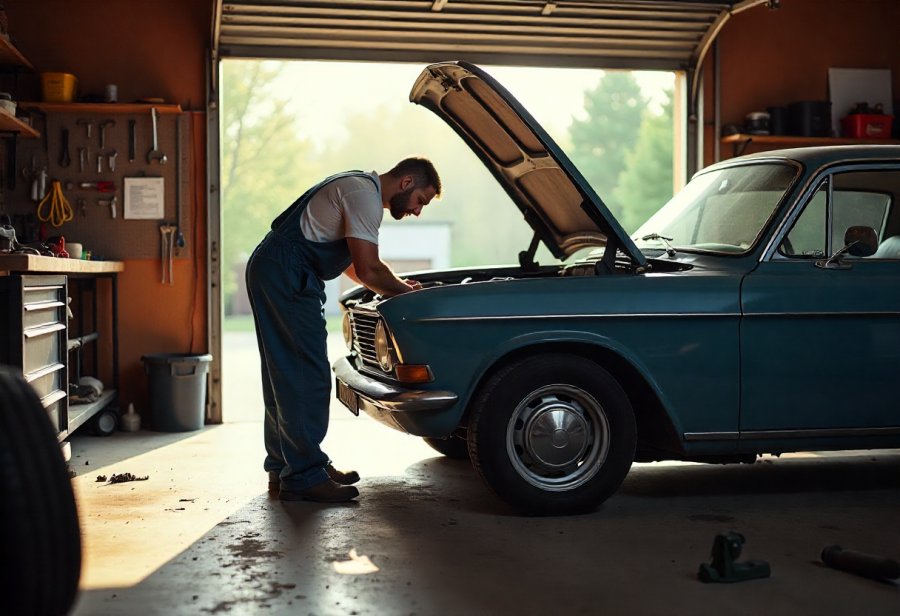
The Modern Garage: Where Passion Meets Innovation
Today’s backyard garages are vibrant spaces where passion and craftsmanship blend seamlessly. Enthusiasts pay close attention to creating setups that suit their specific projects, whether that means a tidy workbench, focused lighting, or a well-organized tool collection. Tools are often hung on pegboards or stored in labeled drawers, making everything easy to find and minimizing downtime. Bright overhead lights or adjustable lamps ensure every detail is visible, helping mechanics work with precision and confidence.
Modern restorers also harness digital tools that have transformed the repair process. Electronic diagnostics and testing equipment allow hobbyists to quickly identify engine issues or electrical faults, saving hours of guesswork. Combining traditional hand tools with high-tech gadgets creates a workspace that feels both familiar and innovative, encouraging experimentation and skill-building. This integration of old and new keeps the restoration process engaging and accessible.
Community plays a central role in today’s garage scene. Online forums, social media groups, and local clubs provide platforms for sharing tips, showcasing projects, and troubleshooting problems. These digital connections expand the garage’s physical boundaries into a global workshop, where advice and inspiration flow freely. Enthusiasts exchange tutorials, celebrate each other’s progress, and foster a sense of belonging that fuels their passion for vintage car revival.
The layout of these garages emphasizes efficiency. A central workbench serves as the hub for disassembly and assembly, while wall-mounted racks keep tools within easy reach. Shelves and storage bins hold spare parts, fluids, and accessories, helping maintain a clutter-free environment. Many hobbyists add custom touches like magnetic trays for tiny screws or specialized lighting setups that reduce eye strain, making detailed work easier and more enjoyable.
Beyond tools and organization, the modern garage is a space for continuous learning. Enthusiasts watch online tutorials, participate in virtual workshops, and exchange advice through digital channels. This steady flow of information keeps skills sharp and sparks innovation, whether exploring eco-friendly materials or applying new restoration techniques. The culture of backyard restoration now embraces both tradition and technology, making each project a chance to learn and grow.
Today’s garages are more than just workshops—they’re creative hubs where craftsmanship is celebrated and skills are refined. They foster a community built on a shared love for mechanical art, keeping the spirit of the backyard mechanic vibrant. Each project adds to a larger story that connects past techniques with future possibilities, ensuring that the passion for vintage revival continues to thrive.
Insider Secrets and Personal Triumphs in Restoration
Many backyard mechanics have developed their own tricks and routines over years of tinkering—small hacks that make restoration smoother and more satisfying. A magnetized tray for tiny screws is a common secret, preventing parts from getting lost during reassembly. Using everyday items in new ways is another favorite: an old toothbrush becomes a perfect tool for cleaning carburetor parts, while scrap metal can be shaped into makeshift tools when the right one isn’t at hand. These improvisations often come from necessity, born out of a desire to keep projects moving without waiting for store-bought solutions.
Personal stories reveal how resourcefulness turns everyday challenges into small victories. One enthusiast recalls struggling with a stubborn bolt on a vintage engine until they remembered to heat it with a soldering iron, which loosened the rust and saved hours. Another shares how they built a custom jig from scrap wood to hold a misaligned engine part, turning a tedious job into a quick fix. These moments of ingenuity aren’t just about saving time—they deepen the bond to the craft, transforming frustration into pride and confidence.
Most of these secrets aren’t found in manuals or online tutorials; they’re passed through casual conversations at car meets or late-night forum posts. This oral tradition keeps the spirit of the garage alive, with seasoned restorers sharing tried-and-true tricks that don’t always make it into official guides. Many learned from family members or through trial and error, but all contribute to a collective knowledge that makes each project feel personal and rewarding. These hidden gems turn routine repairs into moments of mastery, giving each mechanic a sense of ownership and pride.
Patience and persistence are at the heart of every success story. Overcoming setbacks—whether rusted bolts or missing parts—becomes a personal victory that fuels ongoing passion. Many share how a clever fix, like using a homemade puller or a simple cleaning solution, turned a frustrating job into a triumphant moment. These small hacks reinforce that every challenge offers a chance to learn something new, strengthening confidence and deepening love for the craft. It’s this resilience that keeps the fire of restoration burning bright.
Every garage has its personality, shaped by its owner’s approach and experiences. Some rely on minimal setups, improvising as they go, while others invest in specialized tools but still keep a collection of “garage secrets.” Whether it’s a shortcut for cleaning parts or a quick way to organize tiny screws, these tricks turn routine repairs into moments of pride and mastery. Sharing stories and swapping tips at local meetups or online forums helps beginners jump in and discover their own secrets. These insider insights keep the tradition of backyard restoration vibrant, inspiring new generations to keep the passion alive.
Unlocking the Future of Backyard Restoration with Technology and Sustainability
The future of backyard restoration is heading into an exciting era where innovation and tradition will blend seamlessly. Advanced diagnostics and electronic testing tools are becoming more accessible, allowing hobbyists to pinpoint engine and electrical issues with precision. These gadgets reduce guesswork and speed up repairs, making complex troubleshooting something a dedicated enthusiast can tackle confidently from their own garage. As technology continues to evolve, even those with limited experience will be able to achieve professional-quality results, opening the door for more ambitious projects.
Meanwhile, 3D printing is revolutionizing how restorers source parts. No longer limited by discontinued or hard-to-find components, enthusiasts can now produce custom, reproduction, or replacement parts at home. This capability not only shortens project timelines but also lowers costs, encouraging more creative and daring restorations. As printers become more affordable and materials more durable, the scope for tailored parts continues to expand, giving the backyard mechanic new ways to bring vintage machines back to life with precision and originality.
Eco-conscious practices are gaining momentum in the restoration scene. Many hobbyists are turning to biodegradable cleaners, sustainable fluids, and energy-efficient lighting to reduce their environmental footprint. Future garages might incorporate solar panels or energy recovery systems, transforming these spaces into more sustainable workshops without sacrificing passion. This shift not only benefits the environment but also fosters a sense of responsibility, proving that craftsmanship can go hand in hand with eco-friendly innovation.
Connectivity is opening new pathways for learning and community building. Virtual workshops, online tutorials, and augmented reality tools are making expert guidance more accessible than ever. Imagine troubleshooting a tricky engine issue with AR overlays guiding your every move or participating in live restoration classes from your workspace. These innovations create a sense of shared purpose, connecting enthusiasts across the globe and transforming isolated projects into part of a larger, vibrant community.
Smart tools and the Internet of Things are starting to embed themselves into the garage environment. Sensors monitoring engine performance, environmental conditions, or tool usage can relay real-time data to a smartphone, alerting owners to potential problems before they escalate. This feedback helps mechanics plan their work more efficiently and safely, turning guesswork into informed decision-making. Such integration makes restoration not only more precise but also more enjoyable, as technology enhances the hands-on experience.
Looking ahead, these technological advances will complement rather than replace traditional craftsmanship. The core love of restoring vintage cars remains unchanged, but the tools and methods will evolve, making the process more accessible, sustainable, and collaborative. This ongoing innovation promises to keep the backyard mechanic scene vibrant, inviting new generations to explore, learn, and contribute to the rich tapestry of automotive restoration.
In embracing new materials, digital solutions, and smarter workflows, the garage of the future will be a space where old-school skills meet cutting-edge technology. It’s an exciting time for hobbyists eager to push boundaries without losing sight of the roots that make backyard restoration so rewarding. This blend of tradition and innovation will ensure that the passion for bringing old machines back to life continues to thrive, inspiring the next chapter of craftsmanship and community.



