Master Calm Dog Walking for Stress-Free Bonding
Discover the transformative power of calm dog walking and how it deepens the bond between owner and pet. While the idea of a relaxed walk may seem simple, mastering it requires patience, consistency, and gentle guidance. This journey is about more than obedience—it’s about building trust, communication, and mutual respect, turning routine outings into peaceful moments of connection. From understanding fundamental commands like “heel” to managing external distractions safely, this guide offers practical strategies that help any dog learn to walk calmly by your side. Real-world stories illustrate how persistence and positive reinforcement turn challenging behaviors into cooperation, making walks safer, more enjoyable, and emotionally rewarding. But are you prepared to face the hurdles of busy streets, reactive behaviors, and unexpected surprises? With thoughtful planning, appropriate tools, and a calm demeanor, you can create a harmonious walking routine that fosters confidence, reduces stress, and strengthens your relationship—transforming everyday walks into shared experiences of peace and trust.
Mastering Calm Dog Walking: Building Trust and Peaceful Bonds
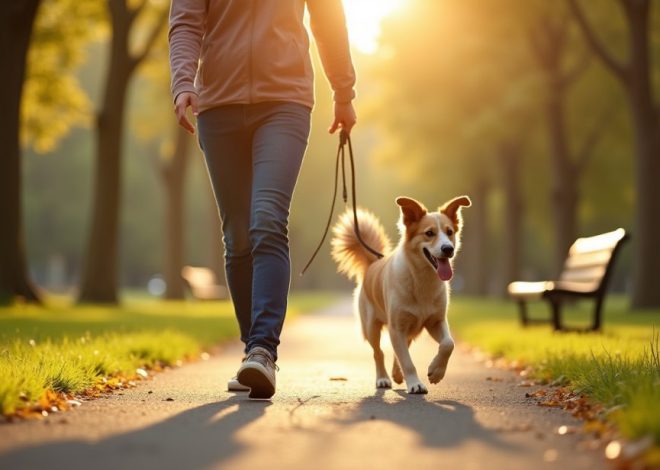
Walking calmly with your dog might seem simple at first, but it’s one of the most valuable skills you can develop as a pet owner. A relaxed walk isn’t just about keeping your dog obedient—it’s about creating a shared experience rooted in trust and mutual respect. When your dog learns to walk calmly at your side, it fosters a sense of security for both of you, turning what can be a stressful activity into a peaceful, bonding moment.
Mastering calm walking also makes outings safer and more enjoyable. It helps prevent accidents like your dog darting into traffic or pulling you off balance. Plus, a peaceful walk sets the foundation for easier training of other commands, as your dog becomes more focused and relaxed even amid distractions. The more consistent you are with your approach, the more natural calmness becomes part of your dog’s routine.
Building this skill takes patience and gentle guidance rather than perfection. It’s about establishing a rhythm where both you and your dog feel at ease. These moments of calm connection deepen your bond and make daily walks something you both look forward to. By emphasizing positive reinforcement and patience, you’ll find that calm walks become a rewarding part of your relationship.
Remember, it’s not about controlling your dog through harsh corrections but about guiding them with clarity and reassurance. As your dog begins to understand what’s expected, they’ll naturally become more relaxed and attentive. Over time, these peaceful walks transform into opportunities to strengthen your bond and enjoy each other’s company in a meaningful way.
In the upcoming sections, we’ll explore practical strategies—from leash handling to environment management—that help turn routine outings into calm, shared experiences. With consistency and patience, you’ll notice your dog more willing to stay focused and relaxed, making every walk a highlight of your day.
Fundamentals of Dog Walking: Clear Commands and Positive Training Principles
Getting a solid grasp of the basics of dog walking is essential for creating calm and enjoyable outings. Key terms like “heel,” which instructs your dog to walk closely by your side, and “loose leash,” indicating relaxed tension, are the foundation of clear communication. Using these commands consistently helps your dog understand what you expect, reducing confusion and encouraging calmness.
The shift from outdated dominance-based methods to reward-centered training reflects a better understanding of canine learning. Today, positive reinforcement—praising or rewarding good behavior—builds trust and makes your dog more willing to stay focused and relaxed during walks. This approach fosters a harmonious routine that minimizes stress and promotes cooperation.
External factors like busy streets, enticing smells, or unfamiliar sights can challenge your dog’s focus. Recognizing how these influences affect behavior allows you to prepare accordingly. Starting in quiet areas and gradually exposing your dog to more stimulating environments helps build confidence and self-control, making walks smoother over time.
Tools like head collars or no-pull harnesses support these goals by providing gentle control without causing discomfort. When combined with consistent commands, they create a structured environment where your dog learns to walk calmly at your side. This combination makes managing external distractions easier and enhances your bond.
Understanding the environment’s role in your dog’s behavior is vital. External stimuli can trigger excitement or anxiety, but with patience and gradual exposure, your dog can learn to manage these triggers calmly. Recognizing signs of stress early lets you redirect attention effectively, preventing small issues from escalating.
Consistent training routines are the backbone of calm dog walking. Clear cues, regular practice, and positive reinforcement create predictability, which your dog relies on. Over time, this consistency transforms chaotic outings into peaceful moments of connection, strengthening your relationship.
Remember, patience is key. Every dog learns at their own pace, and setbacks are part of the process. By sticking to simple, clear communication and gentle guidance, you lay the groundwork for relaxed, enjoyable walks that deepen your bond and make everyday outings a pleasure.
Deep Dive into Calm Dog Walking: Handling Distractions and Maintaining Harmony
Maintaining calm and harmony during walks depends heavily on how you handle the leash and manage external distractions. Keep your grip relaxed and your movements smooth; this not only helps your dog stay focused but also prevents sudden pulls or jerks that can disrupt the flow. When your posture is steady and confident, your dog is more likely to mirror that calmness, creating a peaceful shared experience. Reinforce your expectations with clear commands like “heel” or “easy,” and reward your dog immediately for good behavior to encourage continued focus.
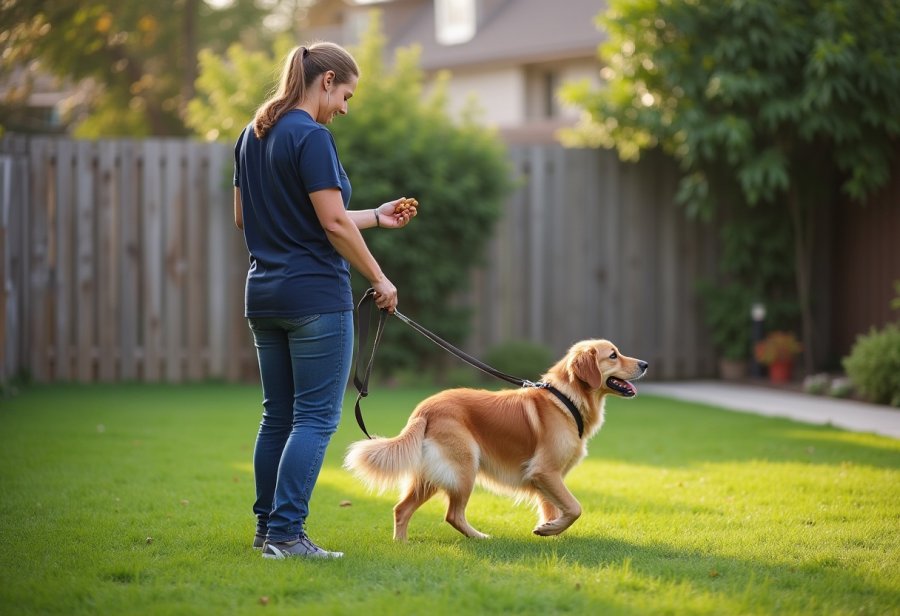
Distractions such as passing cars, barking dogs, or squirrels are often the biggest hurdles. Spotting these early signs allows you to gently redirect your dog’s attention before they become overwhelmed or reactive. Using treats or simple cues, you can bring their focus back to you, helping them understand that calm attention is more rewarding than reacting impulsively. Practicing in quieter environments first, then gradually introducing more stimuli, helps your dog build confidence and stay relaxed even in busier settings.
Pulling and lunging tend to erode harmony quickly. When your dog pulls ahead, stop and calmly call them back, rewarding compliance. If they lunge at a distraction, redirect with a treat or cue, reinforcing the idea that staying close and calm is more beneficial. Consistent practice in controlled environments prepares your dog for more challenging situations, gradually teaching them to remain composed amidst chaos. Your energy plays a crucial role—dogs are perceptive and pick up on your mood, so staying relaxed and confident sets the tone.
Using appropriate equipment like no-pull harnesses or head collars can support these efforts, offering gentle control without discomfort. These tools make handling external stimuli easier and help maintain a peaceful environment. Remember, the goal isn’t restriction but guidance—steering your dog with patience and clarity. If setbacks occur, calmly pause and reset, celebrating small wins to reinforce positive behaviors.
Understanding your dog’s body language is vital. Signs of stress or agitation—such as stiff posture or excessive barking—should prompt a gentle redirection. Moving away from triggers or giving your dog space to settle prevents escalation and keeps the walk safe. If your dog becomes overwhelmed, remove them from the stimulus calmly and offer reassurance, avoiding harsh corrections that could increase anxiety.
Over time, consistent application of these techniques fosters trust and cooperation. Your calm, steady demeanor reassures your dog, helping them stay relaxed even in challenging moments. With patience and practice, your walks will transform from chaotic to harmonious, deepening your bond and turning everyday outings into peaceful, bonding experiences.
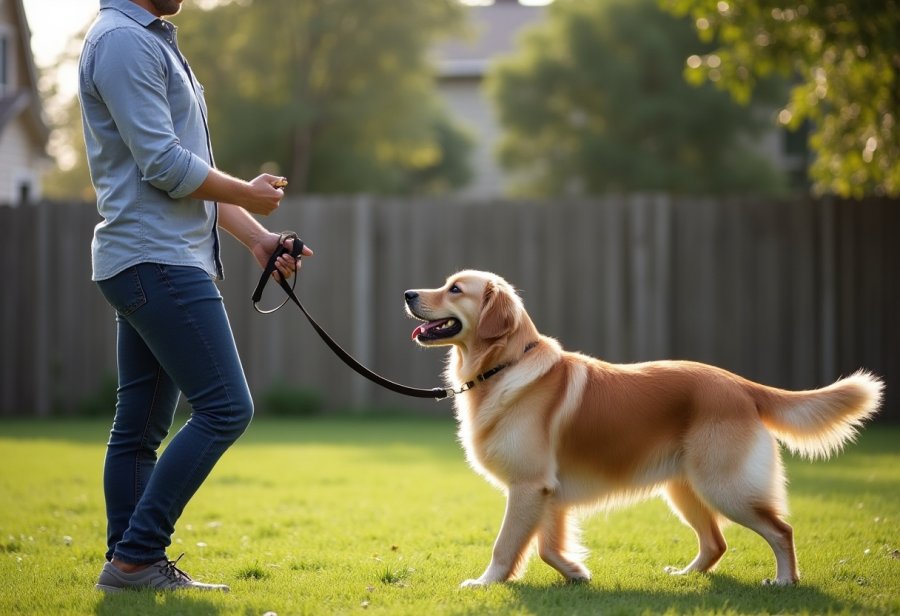
Real Stories of Success: Case Studies in Achieving Calm Walks
Real-world stories highlight just how transformative calm walking techniques can be. Take Sarah and her Labrador, Max. Max was full of energy, often pulling ahead and distracted by every passing car or squirrel. By consistently practicing loose leash walking and rewarding Max whenever he stayed by her side, Sarah gradually turned chaotic outings into peaceful, bonding moments. Over weeks, Max became more attentive, even in busy parks, making walks enjoyable rather than stressful.
Then there’s Tom with Luna, a spirited Border Collie. Luna used to lunge at other dogs and bark at loud noises. Tom learned to redirect her focus with treats and steady commands. Slowly, Luna grew more confident and calmer around distractions. Today, their walks are smoother, with Luna staying focused on Tom instead of reacting impulsively. These stories prove that patience and the right approach can help any dog learn to walk peacefully.
Many owners face challenges like pulling or lunging, but these setbacks aren’t the end of the road. Lisa’s Labrador once surged toward other dogs, making walks stressful. By sticking to reward-based training and stopping when pulling occurred, Lisa gradually taught her dog to stay relaxed and attentive. Similarly, Jake’s Border Collie Max was overwhelmed by passing bikes and children. Through slow exposure and positive reinforcement, Max learned to stay calm even in busy environments. These examples show consistent effort pays off.
Starting in quieter settings allows your dog to build confidence. As they improve, gradually introduce mild distractions, rewarding calm behavior throughout. If your dog gets distracted or pulls, calmly pause and redouble your redirection. Celebrating small victories along the way encourages progress and helps build trust. Over time, these efforts turn difficult moments into opportunities for growth, making walks more peaceful and bonding more meaningful.
Using supportive equipment like no-pull harnesses and treats makes a noticeable difference. These tools give you better control and help your dog feel comfortable, reducing stress during challenging situations. Combining these aids with gentle guidance and patience creates a calmer environment. Remember, progress takes time—each walk is a step forward, and persistence will make peaceful, enjoyable outings a regular part of your shared routine.
Resources and Planning: Budgeting and Preparing for Effective Training
Planning and budgeting are essential steps to establish a successful calm walking routine with your dog. Setting clear financial boundaries helps you make mindful choices about equipment, treats, and training resources, ensuring consistency without overspending. Investing in quality gear like well-fitting harnesses or no-pull collars can make a big difference in your training progress, encouraging your dog to walk calmly and comfortably.
Beyond gear, consider allocating funds for professional support, such as trainer sessions or group classes. These investments often accelerate learning and help you avoid common pitfalls, making your efforts more effective. Establishing a regular training schedule and sticking to short, daily sessions builds steady habits for your dog, turning calm walking into an achievable routine rather than a challenge.
Tracking your expenses and progress can keep you motivated and focused. Using a simple journal or app to record what works best allows you to adjust your approach as needed, ensuring your resources are used efficiently. Additionally, exploring community resources like local shelters or pet organizations can provide affordable or free training opportunities, broadening your options without stretching your budget.
Balancing immediate costs with ongoing needs—treats, toys, or replacement gear—keeps your training sustainable. Reusable tools like clickers or durable toys often save money long-term and support consistent reinforcement. Planning ahead helps prevent last-minute expenses and keeps your training on track, making each walk a step toward a calmer, more bonded relationship.
Ultimately, thoughtful planning and resource management turn training from a stressful task into a rewarding experience. With clear goals and a practical approach, you create a stable foundation that encourages your dog’s growth and transforms everyday walks into peaceful, bonding moments for both of you.
Implementing Calm Walking Strategies: Practical Steps for Success
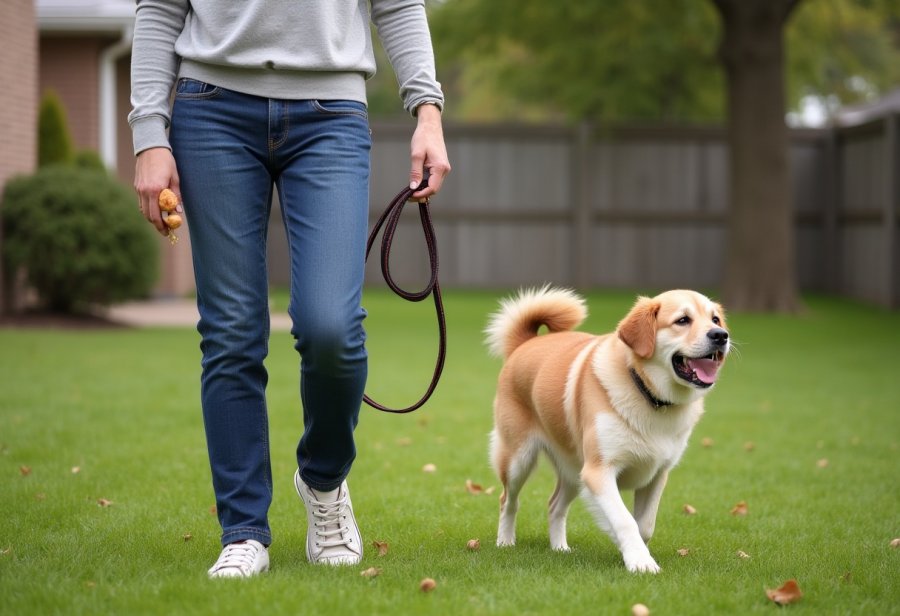
Getting started with calm walking training begins with setting clear, achievable goals for each outing. Focus on maintaining a loose leash, responding reliably to commands like “heel,” and rewarding your dog for calm, focused behavior. Starting in quiet environments helps your dog build confidence, and as they improve, gradually introduce mild distractions to reinforce their self-control. Short, consistent sessions are more effective than lengthy, sporadic ones, helping your dog develop good habits without feeling overwhelmed.
Your tone and energy during training are just as important as the commands you give. Dogs are perceptive and pick up on your mood, so staying calm and confident encourages your dog to mirror that tranquility. Keep your commands simple and consistent, limiting the number of cues you use to avoid confusion. Celebrate small successes often, which boosts both your motivation and your dog’s eagerness to learn. Remember, progress takes time, and setbacks are a normal part of the process—patience is key.
As your dog grows more comfortable in quiet settings, slowly increase the challenge by adding mild distractions. Practice in areas with passing people or other dogs, rewarding your dog for staying focused on you. If your dog pulls or becomes distracted, pause calmly and redirect their attention with treats or cues. This teaches them that staying close and calm is more rewarding than reacting impulsively.
Your role as the handler is to remain steady and composed. Your calm demeanor reassures your dog and helps them feel secure, making it easier for them to stay relaxed. If tension or frustration arises, take a moment to breathe and reset before continuing. Consistency in your reactions and commands builds clarity and trust, creating an environment where calmness is the norm.
Monitoring your dog’s body language is essential. Early signs of stress or agitation, like stiff posture or barking, should prompt gentle redirection. Moving away from triggers or giving your dog space to settle prevents escalation. Avoid harsh corrections; instead, focus on redirection and reassurance to foster a sense of safety.
Over time, these techniques cultivate trust and cooperation. Your calm, confident approach helps your dog remain relaxed even in challenging situations. With patience and steady practice, your walks will become more harmonious, turning them into peaceful, bonding moments that strengthen your relationship and make every outing a positive experience.
Managing Risks: Ensuring Safe and Controlled Dog Walks
Managing risks during dog walks means staying alert and prepared for unexpected situations. Choosing routes away from busy traffic or noisy environments helps prevent your dog from becoming overwhelmed or pulling suddenly. Well-fitted harnesses or head collars provide better control, reducing the risk of escapes or abrupt pulls that could lead to accidents. These tools support gentle handling and make managing tricky moments safer and more comfortable for your dog.
Training your dog to respond reliably to basic commands like “stop,” “sit,” and “come” creates a quick way to de-escalate surprises. When an unexpected event occurs, such as another dog approaching aggressively or a loud noise, your calm and decisive response can prevent escalation. Carry essentials like water, a first aid kit, and your phone to handle emergencies swiftly, ensuring you’re ready for anything.
Spotting signs of stress or agitation early—like stiffening, barking, or tense posture—lets you intervene before the situation worsens. Redirect your dog’s attention gently and give them space to settle, avoiding harsh corrections that can increase anxiety. Moving away from triggers or changing your route can prevent conflicts and help your dog learn to manage external stimuli calmly.
External stimuli such as passing vehicles, loud noises, or other animals can trigger reactive behavior. Moving to a quieter area or taking a different path can help your dog stay more relaxed. Over time, desensitization training can help them become more comfortable with these triggers, but safety always comes first.
Having a contingency plan in place is essential. Know how to quickly exit an area if your dog reacts badly or if a situation becomes unsafe. Regularly check your gear for wear and tear to prevent failures, and keep essential items like your phone and leash easily accessible.
If your dog’s reactivity or anxiety persists despite your efforts, seeking professional help from a trainer or veterinarian can provide tailored strategies. Staying vigilant and adaptable ensures your walks remain safe, enjoyable, and full of trust.