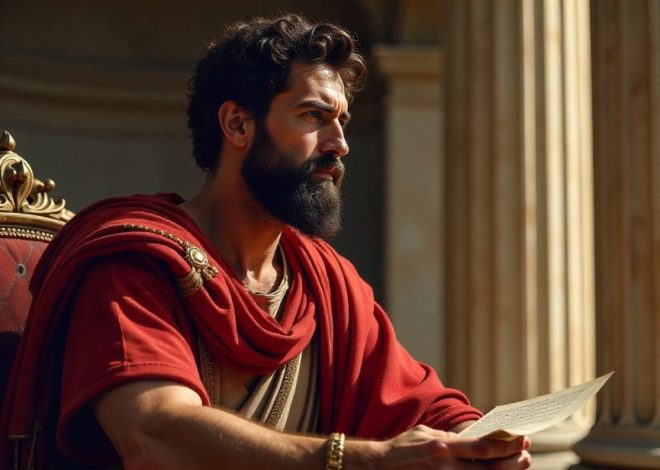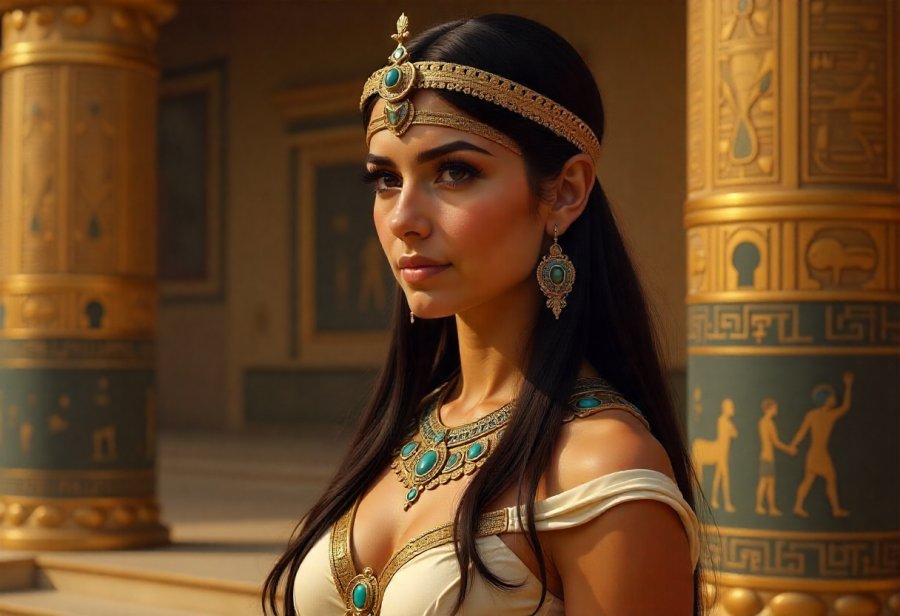
Unveiling the True Legacy of Cleopatra’s Intelligent Leadership
Beneath Hollywood’s glamorized image, Cleopatra VII emerges as a formidable scholar-queen whose true legacy lies in her intellect, diplomacy, and resilience. Was she simply a seductive figure, or a master strategist who mastered multiple languages, cultural diplomacy, and political cunning to preserve Egypt’s independence? Her leadership was rooted in education, cultural integration, and strategic alliances with Rome’s most powerful figures, not just romantic liaisons. Cleopatra’s mastery of perception, symbolism, and scholarly pursuits enabled her to navigate turbulent times and complex political landscapes. Her story challenges us to see influence as a product of knowledge and emotional intelligence rather than force alone. Today’s leaders can learn from her example—embracing continuous learning, cultural awareness, and adaptability—to forge lasting legacies. Could her greatest achievement be her mind’s power, shaping her enduring influence across history? Her life remains a testament to the strength of strategic intelligence in leadership.
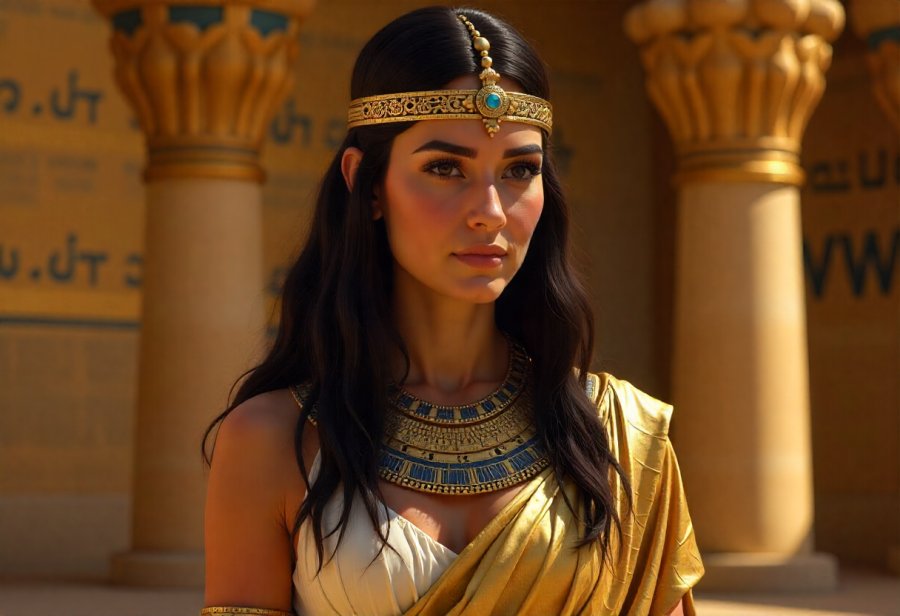
Unveiling Cleopatra’s True Legacy Beyond Hollywood Glamour
Cleopatra VII’s reputation has long been shaped by Hollywood’s glamorous portrayals, which often emphasize her beauty and romantic liaisons with Julius Caesar and Mark Antony. But beneath these images lies a far richer story. She was a highly educated, multilingual leader who relied on her intelligence and strategic acumen to steer Egypt through one of its most turbulent eras. Her true legacy isn’t rooted in seduction or spectacle but in her capacity to lead with knowledge, diplomacy, and resilience.
Born into the Macedonian Ptolemaic dynasty, Cleopatra inherited a complex cultural landscape that blended Greek traditions with Egypt’s ancient religious and cultural practices. She was extensively educated in subjects like rhetoric, philosophy, mathematics, and languages, becoming fluent in Egyptian, Greek, and Latin. This mastery of languages wasn’t just a personal achievement; it was a deliberate tool to connect with diverse audiences and strengthen her political position across her kingdom and beyond.
Her reign began amid internal family rivalries and mounting external pressures from expanding Rome. Cleopatra’s leadership was marked by her ability to adapt swiftly, employing diplomacy, marriage alliances, and cultural influence to preserve Egypt’s independence. Her court in Alexandria became a hub of learning and cultural exchange, reflecting her dedication to scholarship and her understanding that true power extended beyond military might. She played her rivals against each other with wit and careful calculation, always aiming to safeguard her kingdom’s sovereignty.
Hollywood’s focus on her romantic relationships often overshadows her true character as a shrewd, scholarly ruler. Cleopatra’s intelligence, multilingual abilities, and diplomatic skill were central to her leadership. She understood that influence depended on perception, persuasion, and cultural diplomacy—not just force. Recognizing her as a woman of intellect and resilience offers a more accurate, inspiring picture of her enduring legacy, one built on her mind’s strength and her mastery of complex political landscapes.
Her story is a reminder that leadership rooted in knowledge and adaptability can stand the test of time. Cleopatra’s ability to navigate turbulent waters through strategic thinking and cultural insight remains relevant today. Her example encourages us to see influence as a product of resilience, intelligence, and the power of connection—traits that continue to shape effective leadership in any era.
Foundations of Power: Cleopatra’s Complex Cultural and Political Landscape
Cleopatra VII ascended to the throne during a period of intense political upheaval in Egypt, following the death of her father, Ptolemy XII. As a member of the Macedonian Ptolemaic dynasty, her reign was shaped by a unique blend of Greek Macedonian traditions and Egypt’s ancient cultural and religious practices. This dual heritage allowed her to connect with both Greek and Egyptian subjects, but it also placed her in a complex web of internal family rivalries and external threats.
Born around 69 BCE, Cleopatra received an extraordinary education for a woman of her time. She studied rhetoric, philosophy, mathematics, and languages—skills that would serve her well in leadership. Fluent in Greek, Egyptian, and Latin, she saw language mastery as a strategic tool, enabling her to communicate directly with diverse audiences and bolster her legitimacy. Her upbringing emphasized not only Greek customs but also the religious traditions of Egypt, positioning her as a unifying figure capable of bridging cultural divides.
Her early years were marked by the challenge of asserting authority amid internal power struggles. Initially co-ruling with her younger brother, Ptolemy XIII, their rivalry escalated into open conflict. Cleopatra’s intelligence, political savvy, and extensive education proved critical in consolidating her power. She understood that military might alone wouldn’t secure her throne; she needed alliances, diplomatic finesse, and cultural influence to maintain her position.
Cleopatra’s court in Alexandria became a vibrant hub of learning and diplomacy. She cultivated a reputation as a patron of scholarship, supporting arts and sciences while fostering a climate of intellectual exchange. Her emphasis on cultural and educational pursuits wasn’t just personal interest; it was a deliberate strategy to project strength and legitimacy. She recognized that influence in the ancient world depended on perception and the ability to sway both her allies and rivals through wit, knowledge, and cultural resonance.
Externally, Cleopatra was acutely aware of Rome’s expanding power. She employed marriage alliances, diplomatic gestures, and cultural diplomacy to safeguard Egypt’s independence. Her relationships with Julius Caesar and later Mark Antony weren’t merely personal; they were calculated moves designed to serve Egypt’s interests amidst shifting geopolitical currents. Her diplomatic approach showcased her ability to adapt swiftly and leverage cultural diplomacy as a tool of statecraft.
Throughout her reign, Cleopatra demonstrated mastery over complex political, cultural, and diplomatic landscapes. She was neither solely Greek nor Egyptian but a strategic leader who used her multilingual abilities, deep knowledge, and cultural savvy to navigate turbulent times. Her leadership was rooted in resilience and adaptability, qualities that enabled her to preserve her kingdom’s sovereignty and shape her enduring legacy.
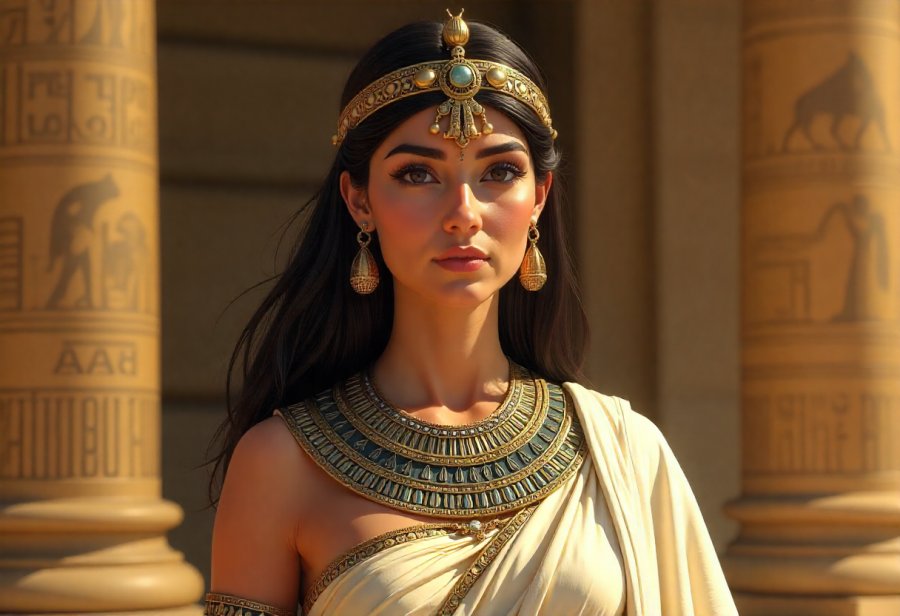
Mastering Influence: Cleopatra’s Leadership Through Strategy, Knowledge, and Cultural Diplomacy
Cleopatra’s leadership was marked by a rare blend of sharp intelligence, strategic insight, and adaptability. She approached governance not just as an authority figure but as a diplomat and scholar, understanding that influence stemmed from perception as much as power. Her ability to craft persuasive messages, build cultural bridges, and negotiate effectively distinguished her from many of her peers. Cleopatra knew that winning trust and sway depended on understanding what motivated her allies and adversaries alike, often employing wit and cultural awareness to sway opinions in her favor.
Her decision-making was deeply rooted in her keen awareness of the shifting political landscape. Cleopatra was a master at reading situations and adjusting her tactics swiftly. Whether through marriage alliances, diplomatic gestures, or symbolic displays, she chose her moves carefully, always aiming to serve Egypt’s strategic interests. Her relationships with Julius Caesar and Mark Antony were not driven by personal vanity but by calculated statecraft, designed to strengthen her position and protect her kingdom’s sovereignty.
Multilingualism played a crucial role in her leadership. Fluent in Egyptian, Greek, and Latin, she communicated directly with a diverse array of audiences, from local officials to Roman dignitaries. This skill allowed her to negotiate on equal terms and present herself as a sophisticated, educated ruler. Her patronage of scholars in Alexandria and her support for learning reinforced her image as a woman of knowledge and culture—an asset that bolstered her legitimacy and influence.
Culturally, Cleopatra mastered the art of symbolism. She embraced Egyptian religious traditions and incorporated them into her royal image, positioning herself as a divine ruler. At the same time, she preserved Greek customs reflecting her Macedonian heritage. This dual identity helped her unify her diverse subjects and appeal to foreign powers, using tradition and religious symbolism as tools of authority. Her leadership extended beyond tangible decisions into shaping perception, recognizing that influence often depended on cultural resonance.
Compared to other female rulers, Cleopatra’s approach was multifaceted. She combined diplomacy with scholarly pursuits and cultural diplomacy, leveraging her intelligence and resilience as core strengths. Her ability to navigate a male-dominated world with wit and strategic patience set her apart, leaving a legacy rooted in mental agility rather than brute force. Her story demonstrates that leadership built on knowledge, emotional intelligence, and adaptability can withstand even the most turbulent times.
Her leadership style was not static; it evolved with circumstances, always aiming to maintain stability and strength. Cleopatra understood that setbacks were inevitable but responded by shifting tactics and refining her strategies. Her resilience allowed her to stay focused on her long-term goals, turning challenges into opportunities for growth. This flexibility and strategic thinking helped her preserve her kingdom’s independence amid external threats and internal rivalries.
Cleopatra’s mastery of complex political, cultural, and diplomatic landscapes made her a formidable ruler. She was neither solely Greek nor Egyptian but a shrewd strategist who used her multilingual skills, scholarly knowledge, and cultural savvy to navigate turbulent waters. Her leadership was anchored in resilience and intelligence, qualities that enabled her to shape her legacy as a ruler who valued resilience, adaptability, and the power of the mind.
Her enduring influence reminds us that leadership rooted in wisdom and strategic thinking remains timeless. Cleopatra’s example encourages modern leaders to embrace continuous learning, cultural awareness, and resilience. Her life shows that influence is often built on understanding people and circumstances—skills that, when mastered, can leave a legacy far beyond fleeting moments of power.
Timeless Lessons: Applying Cleopatra’s Principles to Modern Leadership
Cleopatra’s qualities—her sharp intellect, strategic mindset, and diplomatic finesse—still resonate strongly today. In a world of rapid change and complex global connections, her ability to adapt and think ahead offers timeless lessons for modern leadership. Influence today isn’t just about authority or force; it’s about understanding diverse cultures, building trust, and navigating intricate political landscapes with finesse.
One key takeaway from Cleopatra’s legacy is the importance of continuous learning and cultural awareness. Her mastery of multiple languages and her support for scholarship exemplify how knowledge can be a powerful leadership tool. Modern leaders can follow suit by investing in education, developing emotional intelligence, and engaging with different perspectives. These skills foster authentic connections and help solve conflicts more effectively, whether in politics, business, or community initiatives.
Cultural diplomacy remains vital in today’s interconnected world. Cleopatra’s ability to communicate across cultural boundaries built influential alliances and strengthened her position. Leaders now can emulate her approach by listening actively, respecting differences, and leveraging cultural insights to foster trust. Soft power rooted in empathy and understanding often yields stronger, more sustainable relationships than coercion or confrontation.
Resilience and adaptability, core traits in Cleopatra’s leadership, are equally relevant now. She faced internal rebellions and external threats, yet her response was to evolve her tactics and stay focused on her goals. Her example reminds us that setbacks are inevitable, but how we respond—by adjusting strategies and maintaining resolve—determines success. Flexibility in tactics and a long-term vision can turn obstacles into opportunities.
Her influence was built on more than political maneuvering; it was rooted in her intelligence and cultural savvy. She demonstrated that knowledge and emotional intelligence can surpass brute strength when wielded wisely. In an age flooded with information, her example underscores that authentic influence comes from understanding people, situations, and cultural dynamics.
Many contemporary leaders overlook the power of cultural knowledge and intellectual agility. Cleopatra’s life encourages us to see these qualities as essential assets. Valuing education, curiosity, and resilience creates stronger relationships based on mutual respect and shared understanding—foundations for sustainable success in an increasingly interconnected world.
Her story reminds us that leadership rooted in wisdom and strategic thinking remains timeless. Embracing her principles—learning continuously, respecting diverse cultures, and remaining resilient—equips leaders to navigate today’s challenges with confidence. In doing so, they can leave a lasting legacy rooted not just in power, but in insight and influence that endures beyond fleeting moments.
Enduring Wisdom: Reflecting on Cleopatra’s Leadership and Its Relevance Today
Cleopatra’s leadership qualities—her sharp intellect, strategic vision, and diplomatic finesse—remain strikingly relevant today. In a world where rapid change and complex global dynamics define the landscape, her ability to adapt, forge alliances, and navigate turbulent waters offers timeless lessons for modern leaders. Her example reminds us that influence isn’t solely about authority or force but about understanding people, cultures, and broader geopolitical currents.
Her emphasis on continuous learning and cultural awareness underscores the importance of knowledge as a core leadership asset. Cleopatra’s mastery of multiple languages and her support for scholarship demonstrate how curiosity and education can serve as powerful tools for influence. Today’s leaders benefit from investing in their own growth—embracing diverse perspectives, developing emotional intelligence, and fostering a genuine understanding of the environments they operate within.
Cultural diplomacy, a hallmark of Cleopatra’s reign, remains vital in our interconnected world. Her skill in communicating across boundaries built influential relationships and helped secure Egypt’s sovereignty. Modern leaders can emulate her by listening actively, respecting differences, and leveraging cultural insights to build trust. Soft power rooted in empathy and shared values often creates stronger, more sustainable partnerships than confrontation or coercion.
Resilience and flexibility played key roles in Cleopatra’s success. Facing internal rebellions and external threats, she responded by shifting tactics and maintaining a clear vision. Her ability to turn setbacks into opportunities exemplifies a mindset that remains essential. Leaders today must adapt swiftly, viewing challenges as chances to innovate and grow—embodying her resilience in the face of uncertainty.
Her influence was rooted not just in political maneuvering but in her intelligence and cultural savvy. She showed that understanding people and situations profoundly can outweigh brute strength. In an age flooded with information, her example highlights that authentic influence stems from empathy, insight, and strategic thinking—qualities that foster trust and lasting impact.
Looking ahead, her story encourages us to see leadership as a continuous journey of learning, adaptation, and cultural engagement. In a world of constant flux, her ability to navigate complex circumstances with resilience and intelligence offers a blueprint for success. Embracing her principles—curiosity, patience, and empathy—can help contemporary leaders shape a future built on insight and genuine connection.
Ultimately, Cleopatra’s legacy reminds us that leadership rooted in wisdom and strategic thinking endures. Her example inspires us to prioritize understanding over domination, knowledge over ignorance. By applying her timeless principles, today’s leaders can leave a meaningful, lasting imprint—one that transcends moments of power and builds a foundation for lasting influence.